


Lightweight Concrete Additives | High-Performance Foaming Agents for Cellular Concrete


PRODUCT PARAMETERS
Description
Overview of HPMC Concrete Admixture for Gypsum Based Joint Compound with High Smoothness and Crack Resistance
HPMC Concrete Admixture for Gypsum Based Joint Compound with High Smoothness and Crack Resistance is chemical compounds added to concrete mixtures to improve various properties of the material, such as workability, strength, durability, and curing time. These additives include plasticizers, retarders, accelerators, waterproofing agents, and air-entraining agents, each designed to meet specific needs in concrete production. Concrete additives are commonly used in both commercial and residential construction, as well as in the production of precast and ready-mix concrete. By enhancing the performance and quality of concrete, these additives help improve the overall efficiency of construction projects while ensuring the durability and longevity of the finished structure. They are easy to incorporate into the mix and provide cost-effective solutions for optimizing concrete properties in a wide range of applications.
Characteristics of HPMC Concrete Admixture for Gypsum Based Joint Compound with High Smoothness and Crack Resistance
Enhanced Strength: Concrete additives can significantly increase the compressive strength of concrete, making it more resilient to pressure and stress. This ensures the longevity and durability of structures, reducing the likelihood of cracking or failure.
Improved Workability: Additives such as plasticizers and superplasticizers improve the flowability and consistency of concrete, making it easier to handle, pour, and finish. This enhances productivity on the construction site and reduces labor costs.
Faster Curing: Accelerators, a type of concrete additive, help speed up the curing process, allowing for quicker setting times and faster completion of projects. This is especially useful in cold weather or when fast-tracking construction timelines.
Increased Durability: Many additives, like water-reducing agents and waterproofing compounds, increase the resistance of concrete to harsh environmental conditions such as freeze-thaw cycles, water ingress, and chemical exposure, ensuring long-term performance.
Better Adhesion and Bonding: Certain additives improve the bonding between the concrete and other materials, such as reinforcing steel or aggregates, enhancing the overall structural integrity and reducing the chances of delamination or separation.
Versatility for Various Applications: Concrete additives are highly versatile and can be used in a wide range of applications, from residential buildings to large-scale infrastructure projects. They are formulated to meet specific needs such as high-strength concrete, self-compacting concrete, or durable concrete for extreme conditions.
Cost-Efficient: By improving the quality and performance of concrete, additives reduce the need for additional maintenance and repairs, leading to significant cost savings in the long term. Additionally, they help optimize the mix design, reducing material waste.
Environmentally Friendly: Many modern concrete additives are formulated with eco-friendly ingredients, contributing to more sustainable construction practices. These additives help minimize the carbon footprint and improve the environmental performance of the concrete.
Enhanced Surface Finish: Additives like air-entraining agents can improve the finish and appearance of concrete by preventing defects like cracking, honeycombing, or surface dusting, ensuring a smooth, professional-grade surface.

Specification of HPMC Concrete Admixture for Gypsum Based Joint Compound with High Smoothness and Crack Resistance
HPMC Concrete Admixture for Gypsum-Based Joint Compound
High Smoothness & Split Resistance
This HPMC (Hydroxypropyl Methylcellulose) admixture is specially produced gypsum-based joint compounds. It gives the compound a really smooth coating. The surface ends up being simple to sand and paint after drying. Service providers and finishers improve outcomes with less effort.
The admixture substantially enhances workability. It maintains water in the mix much longer. This aids the compound established equally. There is less danger of drying out too fast, which typically causes fractures. The last layer stays strong and flexible.
Trick Benefits:
– Smooth application : Spreads conveniently without dragging or tearing.
– Minimized splitting : Controls contraction throughout drying.
– Water retention : Maintains moisture balanced for regular treating.
– Adhesion increase : Binds well to drywall and other substratums.
– Open time extension : Offers even more time to work prior to the compound starts to set.
This product mixes swiftly into basic plaster formulas. No extra actions are required. Simply include the advised amount throughout batching. It liquifies fully without swellings. The result is a consistent paste that holds its shape.
The HPMC made use of here is high-purity and free from impurities. It meets market criteria for interior finishing materials. It does not influence the color or smell of the last substance. Paints and primers stick well to surfaces treated with this admixture.
Home builders select this additive when high quality issues. It solves common problems like bad sanding, edge collapsing, and hairline cracks. The joint compound carries out better from taping via last coat. Each layer bonds snugly to the one before it.
Utilize this HPMC admixture to update your plaster joint compound. Obtain smoother walls, less callbacks, and better clients.
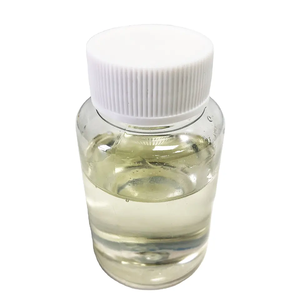
Applications of HPMC Concrete Admixture for Gypsum Based Joint Compound with High Smoothness and Crack Resistance
HPMC Concrete Admixture for Gypsum-Based Joint Substance
Delivers High Smoothness and Solid Fracture Resistance
Hydroxypropyl methylcellulose (HPMC) is a vital additive in modern-day gypsum-based joint compounds. It greatly improves workability, coating top quality, and long-lasting performance. Contractors and drywall experts rely upon HPMC to create seamless, smooth surface areas that withstand breaking over time.
Smooth Application, Better Complete
HPMC offers the joint compound a luscious texture that spreads conveniently with a trowel or knife. This makes it straightforward to load joints and cover bolts without drag or tearing. The outcome is an uniform surface area that needs less sanding and conserves time on ending up job. Also thin layers stay consistent and do not sag on upright surface areas.
Protects Against Fractures from Creating
One significant trouble with joint compounds is drying shrinkage, which leads to hairline fractures. HPMC assists control water retention throughout curing. This allows the gypsum to moisturize fully and evenly. As a result, the substance dries out extra uniformly and remains undamaged under typical structure movement. Walls and ceilings stay crack-free for longer durations.
Solid Attachment and Stability
HPMC also enhances bond in between the substance and the drywall surface. It keeps the mix secure throughout storage and use, stopping splitting up or lumping. Service providers obtain dependable efficiency batch after batch, also in varying task website problems.
This admixture functions well in both ready-mixed and powdered joint compounds. It matches interior applications where appearance and toughness matter most– such as homes, workplaces, and business spaces. With HPMC, you get a professional-grade finish that looks clean and holds up under daily tension.
Company Profile
We are the global leader in lightweight concrete and advanced engineered foam solutions. Known globally for its commitment to research, innovation, and applied expertise, we have been providing engineered foam solutions since the early 2012’s.
We can supply high-quality concrete admixture and foam concrete related products all over the world.
The company has a professional technical department and quality supervision department, a well-equipped laboratory, and equipped with advanced testing equipment and after-sales customer service center.
If you are interested, please feel free and contact us.
Payment
T/T, Western Union, Paypal, Credit Card etc.
Shipment
By air, by sea, by express, as customers request.
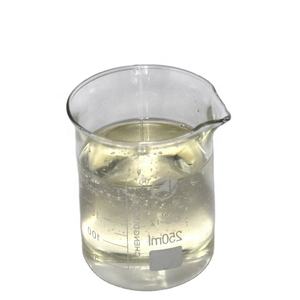
5 FAQs of HPMC Concrete Admixture for Gypsum Based Joint Compound with High Smoothness and Crack Resistance
Frequently Asked Questions About HPMC Concrete Admixture for Gypsum-Based Joint Compound
What is HPMC and why is it used in joint compound?
HPMC stands for Hydroxypropyl Methylcellulose. It is a water-soluble polymer added to gypsum-based joint compounds. HPMC improves workability, helps the mix hold water longer, and makes the surface smoother after drying.
How does HPMC improve smoothness?
HPMC acts as a thickener. It gives the compound a creamy texture that spreads easily with a trowel. This reduces drag and leaves fewer tool marks. The result is a flat, even finish that needs less sanding.
Does HPMC help prevent cracks?
Yes. HPMC slows down water loss during drying. When water evaporates too fast, the compound shrinks and cracks. With HPMC, drying happens more evenly. This lowers internal stress and keeps the surface crack-free.
Is HPMC safe to use indoors?
HPMC is non-toxic and odorless. It meets safety standards for indoor construction materials. Once dry, it stays stable and does not release harmful substances into the air.
How much HPMC should be added to the mix?
The right amount depends on your formula and desired performance. Usually, 0.2% to 0.5% by weight of dry ingredients works well. Too little may not give enough smoothness or crack resistance. Too much can make the mix sticky or slow to dry. Always test small batches first to find the best ratio for your needs.
REQUEST A QUOTE
RELATED PRODUCTS

Sodium Naphthalene Sulfonate Concrete Admixture as Water Reducer for High Strength Concrete

Concrete Admixture PCE Powder for Self Leveling Mortar with High Flow and Stability
Polypropylene Fiber Short Plastic PP Fiber Concrete Admixture for Mortar Anti Cracking Highway Bridge Spinning

Construction Grade Concrete Admixture PP Fiber and PET Fiber for Reliable Reinforcement

Silica Fume Concrete Admixture for High Abrasion Resistance Concrete in Dam Spillways
