


Lightweight Concrete Additives | High-Performance Foaming Agents for Cellular Concrete


PRODUCT PARAMETERS
Description
Overview of Concrete Admixture and Construction HPMC Industry Grade for Building Materials
Concrete Admixture and Construction HPMC Industry Grade for Building Materials is chemical compounds added to concrete mixtures to improve various properties of the material, such as workability, strength, durability, and curing time. These additives include plasticizers, retarders, accelerators, waterproofing agents, and air-entraining agents, each designed to meet specific needs in concrete production. Concrete additives are commonly used in both commercial and residential construction, as well as in the production of precast and ready-mix concrete. By enhancing the performance and quality of concrete, these additives help improve the overall efficiency of construction projects while ensuring the durability and longevity of the finished structure. They are easy to incorporate into the mix and provide cost-effective solutions for optimizing concrete properties in a wide range of applications.
Characteristics of Concrete Admixture and Construction HPMC Industry Grade for Building Materials
Enhanced Strength: Concrete additives can significantly increase the compressive strength of concrete, making it more resilient to pressure and stress. This ensures the longevity and durability of structures, reducing the likelihood of cracking or failure.
Improved Workability: Additives such as plasticizers and superplasticizers improve the flowability and consistency of concrete, making it easier to handle, pour, and finish. This enhances productivity on the construction site and reduces labor costs.
Faster Curing: Accelerators, a type of concrete additive, help speed up the curing process, allowing for quicker setting times and faster completion of projects. This is especially useful in cold weather or when fast-tracking construction timelines.
Increased Durability: Many additives, like water-reducing agents and waterproofing compounds, increase the resistance of concrete to harsh environmental conditions such as freeze-thaw cycles, water ingress, and chemical exposure, ensuring long-term performance.
Better Adhesion and Bonding: Certain additives improve the bonding between the concrete and other materials, such as reinforcing steel or aggregates, enhancing the overall structural integrity and reducing the chances of delamination or separation.
Versatility for Various Applications: Concrete additives are highly versatile and can be used in a wide range of applications, from residential buildings to large-scale infrastructure projects. They are formulated to meet specific needs such as high-strength concrete, self-compacting concrete, or durable concrete for extreme conditions.
Cost-Efficient: By improving the quality and performance of concrete, additives reduce the need for additional maintenance and repairs, leading to significant cost savings in the long term. Additionally, they help optimize the mix design, reducing material waste.
Environmentally Friendly: Many modern concrete additives are formulated with eco-friendly ingredients, contributing to more sustainable construction practices. These additives help minimize the carbon footprint and improve the environmental performance of the concrete.
Enhanced Surface Finish: Additives like air-entraining agents can improve the finish and appearance of concrete by preventing defects like cracking, honeycombing, or surface dusting, ensuring a smooth, professional-grade surface.

Specification of Concrete Admixture and Construction HPMC Industry Grade for Building Materials
Specification of Concrete Admixture and Building HPMC Market Grade
Item Summary
Our Building And Construction HPMC (Hydroxypropyl Methylcellulose) is a high-purity, industry-grade additive created structure materials. It functions well in cement-based items like tile adhesives, renders, glues, and self-leveling substances. This admixture enhances workability, water retention, and overall performance on website.
Secret Features
– Water Retention : Keeps sufficient moisture in the mix so cement can fully hydrate. This causes stronger bonds and fewer cracks.
– Workability : Makes the mix smoother and much easier to spread out or trowel without adding extra water.
– Open Time : Extends the time employees need to readjust floor tiles or coating surfaces prior to the material collections.
– Bond : Aids the mix stick far better to wall surfaces, floorings, and various other substrates.
– Anti-Sag Characteristic : Quits thick layers from moving down vertical surface areas during application.
Technical Specs
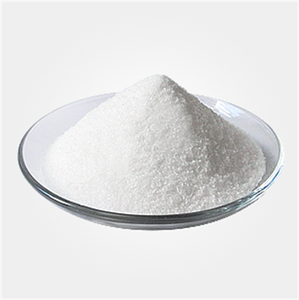
– Look: White to beige free-flowing powder
– Methoxy content: 19– 30%.
– Hydroxypropoxy web content: 4– 12%.
– Viscosity (2% option, 20 ° C): 4,000– 100,000 mPa · s (personalized).
– pH (2% option): 6.0– 8.5.
– Dampness material: ≤ 5%.
– Ash content: ≤ 5%.
Usage Guidelines
Include HPMC gradually into dry blends while blending. Common dose ranges from 0.1% to 0.4% by weight of total dry active ingredients. Specific quantities rely on the product type, climate, and desired efficiency. Always examination small sets first to fine-tune outcomes. Shop in an awesome, dry location away from moisture. Keep sealed when not in use to stay clear of clumping.

Applications of Concrete Admixture and Construction HPMC Industry Grade for Building Materials
Applications of Concrete Admixture and Building HPMC Market Quality
Why Use Concrete Admixtures?
Concrete admixtures aid boost how concrete work with the task website. They make blending, placing, and finishing less complicated. Workers obtain even more time to shape the concrete prior to it sets. The final product ends up being stronger and lasts much longer. These additives also decrease water usage without hurting performance.
Function of HPMC in Building Materials
HPMC (Hydroxypropyl Methylcellulose) is a vital component in lots of dry-mix structure items. It is used in floor tile adhesives, provides, smudges, and self-leveling substances. HPMC controls water retention , which assists cement hydrate correctly. This brings about better bonding and less fractures.
In floor tile adhesives, HPMC offers smooth application and strong hold. It stops tiles from sliding after positioning. For renders and glues, it enhances workability and makes shoveling less complicated. The material remains damp long enough for proper healing, even in warm or gusty climate.
Benefits on duty Website
Utilizing industry-grade HPMC indicates less callbacks and fixings. Specialists save time because the mix acts naturally. There is much less waste and rework. The last surface looks tidy and also.
HPMC also boosts open time– the home window during which workers can change materials after using them. This is really practical for huge tasks or when operating in difficult conditions. It maintains the mix steady and regular from set to batch.
Both concrete admixtures and HPMC assistance modern-day building requirements. They assist fulfill limited routines while keeping quality. Building contractors rely upon them daily to supply resilient, expert outcomes.
Company Profile
We are the global leader in lightweight concrete and advanced engineered foam solutions. Known globally for its commitment to research, innovation, and applied expertise, we have been providing engineered foam solutions since the early 2012’s.
We can supply high-quality concrete admixture and foam concrete related products all over the world.
The company has a professional technical department and quality supervision department, a well-equipped laboratory, and equipped with advanced testing equipment and after-sales customer service center.
If you are interested, please feel free and contact us.
Payment
T/T, Western Union, Paypal, Credit Card etc.
Shipment
By air, by sea, by express, as customers request.
5 FAQs of Concrete Admixture and Construction HPMC Industry Grade for Building Materials
Frequently Asked Questions About Concrete Admixture and Construction-Grade HPMC
What is HPMC used for in building materials?
HPMC (Hydroxypropyl Methylcellulose) is added to cement-based products like tile adhesives, plasters, and self-leveling compounds. It helps keep water in the mix longer so cement can cure properly. It also makes the mix smoother and easier to spread.
How does HPMC improve workability?
HPMC acts like a thickener. It gives the mixture a creamy texture that sticks well to surfaces without sagging. Workers find it easier to apply evenly. This reduces waste and saves time during application.
Does HPMC affect drying time?
Yes, but in a good way. HPMC slows down water loss, especially on hot or dry days. This controlled drying helps prevent cracks and weak spots. The final product becomes stronger and more durable.
Can HPMC be mixed with other additives?
Yes. HPMC works well with common admixtures like redispersible polymer powders, starch ethers, and defoamers. Always follow the manufacturer’s instructions to avoid unwanted reactions or performance issues.
What grade of HPMC should I choose for construction?
Use only industry-grade HPMC made for construction. These grades are tested for viscosity, purity, and water retention. Lower-cost or non-construction grades may not perform well and could weaken your mix. Always check the product label or ask your supplier for the right type.
REQUEST A QUOTE
RELATED PRODUCTS

Manufacture Supply Portland Cement 425 Grey Polish Special Mortar Sand Mix Quick Dry Waterproof Concrete Admixture

HPMC for Putty and Construction Mortar ISO Ground Concrete Admixture HPMC Grout

Concrete Admixture PCE Powder for Self Compacting Concrete SCC with High Fines Content

Redispersible Latex Powder RDP Concrete Admixture for Self Leveling Mortar and Grout

Concrete Admixture Silica Fume Undensified for Refractory Castables and Oil Well Cement
