


Lightweight Concrete Additives | High-Performance Foaming Agents for Cellular Concrete


PRODUCT PARAMETERS
Description
Introduction to High Viscosity Construction Grade Hydroxypropyl Methyl Cellulose HPMC for Tile Adhesive
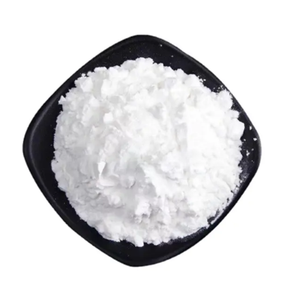
Hydroxypropyl Methylcellulose (HPMC), whose Chinese name is hydroxypropyl methylcellulose, is a semi-synthetic, non-ionic cellulose ether obtained by chemically modifying natural cellulose. This white powder can form a transparent viscous solution after dissolving in water. It has excellent thickening, water retention, stability and film-forming properties. It is an indispensable multifunctional additive in many fields such as construction.
Characteristics and advantages of High Viscosity Construction Grade Hydroxypropyl Methyl Cellulose HPMC for Tile Adhesive
Excellent water solubility: It can be quickly dissolved in cold water to form a clear and stable solution.
Efficient thickening and water retention ability: Increase the viscosity of the material, effectively reduce water evaporation, and improve work efficiency.
Good stability: It has good stability to acids, alkalis, and salts, and is suitable for a wide range of pH values.
Film-forming and protective effects: After drying, it forms a tough and transparent film to protect the substrate and prevent water penetration and evaporation.
Non-toxic and non-irritating: It has good biocompatibility and is suitable for the fields of medicine and food.
Adjustability: By changing the degree of substitution and molecular weight, its performance can be adjusted to meet different application requirements.

Specifications of High Viscosity Construction Grade Hydroxypropyl Methyl Cellulose HPMC for Tile Adhesive
Specifications of High Viscosity Construction Grade Hydroxypropyl Methyl Cellulose (HPMC) for Tile Adhesive
Key Physical Properties
This HPMC is a white to off-white, free-flowing powder. It has no noticeable odor and dissolves easily in cold water to form a clear, viscous solution. The product shows excellent stability under normal storage conditions and does not clump when handled properly.
Viscosity Performance
The standard viscosity range is 40,000–100,000 mPa·s (measured at 2% concentration, 20°C). This high viscosity helps tile adhesives maintain strong water retention, which is critical for proper cement hydration and bond strength. The thickening effect also improves workability and sag resistance during application on vertical surfaces.
Chemical Composition
Methoxy content: 19.0–30.0%
Hydroxypropoxy content: 4.0–12.0%
These substitution levels ensure balanced solubility, film formation, and compatibility with other additives commonly used in dry-mix mortars.
Purity and Safety
The product meets construction-grade purity standards. It contains no added preservatives, solvents, or volatile organic compounds (VOCs). Residual moisture is kept below 5%, and ash content remains under 5% to avoid interference with adhesive performance.
Function in Tile Adhesive
HPMC acts as a water retention agent, thickener, and workability enhancer. It slows down water loss into porous substrates like concrete or brick, giving installers more open time. It also prevents slippage of tiles before the adhesive sets. The polymer forms a thin film that supports early-stage adhesion without affecting final strength.
Storage and Handling
Store in a cool, dry place away from direct sunlight and moisture. Keep containers sealed when not in use. Use standard industrial hygiene practices—avoid inhalation of dust and contact with eyes. Shelf life is 12 months when stored correctly.

Applications of High Viscosity Construction Grade Hydroxypropyl Methyl Cellulose HPMC for Tile Adhesive
Applications of High Viscosity Construction Grade HPMC in Tile Adhesive
Improved Workability and Consistency
High viscosity hydroxypropyl methyl cellulose (HPMC) gives tile adhesives a smooth, easy-to-spread texture. Workers can apply the adhesive evenly without it sagging or sliding off vertical surfaces. This makes the tiling process faster and more reliable.
Stronger Water Retention
HPMC holds water inside the adhesive mix. This is important because cement needs time to react with water and harden properly. Without enough moisture, the bond between the tile and wall or floor becomes weak. High viscosity HPMC keeps water in place long enough for full curing, even in hot or dry conditions.
Better Adhesion Performance
The film-forming ability of HPMC helps the adhesive stick firmly to both the tile and the substrate. It reduces the chance of tiles coming loose over time. This results in longer-lasting installations with fewer repairs.
Reduced Sag and Slippage
When installing large or heavy tiles on walls, slippage is a common problem. High viscosity HPMC increases the thickness of the adhesive. This added body stops tiles from shifting before the adhesive sets. Installers can work with confidence, knowing tiles stay exactly where they are placed.
Consistent Quality Across Batches
Using construction-grade HPMC ensures every batch of tile adhesive performs the same way. There are no unexpected changes in texture, drying time, or bonding strength. Contractors get predictable results job after job.
Compatibility with Modern Formulations
Today’s tile adhesives often include additives like polymers or fillers. High viscosity HPMC works well with these ingredients. It does not interfere with their function and helps maintain a stable, uniform mix from start to finish.
Company Profile
We are the global leader in lightweight concrete and advanced engineered foam solutions. Known globally for its commitment to research, innovation, and applied expertise, we have been providing engineered foam solutions since the early 2012’s.
We can supply high-quality concrete admixture and foam concrete related products all over the world.
The company has a professional technical department and quality supervision department, a well-equipped laboratory, and equipped with advanced testing equipment and after-sales customer service center.
If you are interested, please feel free and contact us.
Payment
T/T, Western Union, Paypal, Credit Card etc.
Shipment
By air, by sea, by express, as customers request.
5 FAQs of High Viscosity Construction Grade Hydroxypropyl Methyl Cellulose HPMC for Tile Adhesive
Frequently Asked Questions About High Viscosity HPMC for Tile Adhesive
What is high viscosity HPMC used for in tile adhesive?
High viscosity Hydroxypropyl Methyl Cellulose (HPMC) improves the workability and water retention of tile adhesives. It helps the adhesive stay wet longer, which gives installers more time to position tiles correctly. This also ensures stronger bonding between the tile and the surface.
Why choose high viscosity over standard HPMC?
High viscosity HPMC offers better thickening power and anti-sag performance. This means the adhesive won’t slide or drip when applied on vertical surfaces like walls. It also reduces slumping, especially with large or heavy tiles.
Does HPMC affect the drying time?
Yes, but in a good way. HPMC slows down water loss from the adhesive. This controlled drying helps cement hydrate fully, leading to a stronger final bond. The extended open time also allows for adjustments during installation without compromising performance.
Is HPMC compatible with other additives?
High viscosity HPMC works well with common additives like redispersible polymer powders, starch ethers, and defoamers. Always test the full formulation to confirm stability and performance under real job-site conditions.
How much HPMC should be added to tile adhesive?
The typical dosage ranges from 0.3% to 0.6% by weight of total dry mix. The exact amount depends on the desired viscosity, tile size, substrate type, and climate. Start with a lower dose and adjust based on trial batches and field performance.
REQUEST A QUOTE
RELATED PRODUCTS

cellulose HPMC E15 Pharmaceutical Grade top high quality mhec rdp hpmc

Kimicel Hydroxypropyl Methyl Cellulose HPMC Product Instant Chemicals Waterproof Membrane for Self Leveling Mortar
2024 Building Materials Water Resistant Putty Use HPMC Customized Viscosity Available
Detergent grade HPMC 9004-65-3 Hydroxypropyl methyl cellulose
Factory Pharmaceutical Grade Hydroxypropyl Methyl Cellulose HPMC Chemical