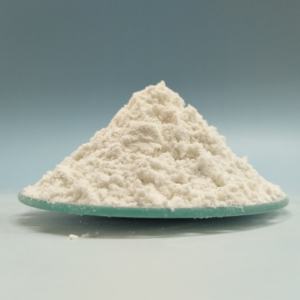
Lightweight Concrete Additives | High-Performance Foaming Agents for Cellular Concrete

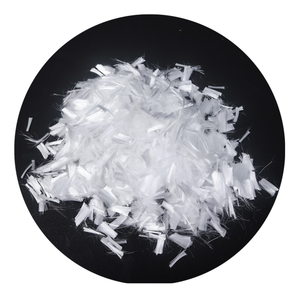
PRODUCT PARAMETERS
Description
Overview of Steel Concrete Fiber for Fiber Reinforced Concrete
For high-impact resistance, we offer Steel Fibers, an ideal replacement for welded wire mesh in industrial floors and pre-cast elements. We also provide specialized Structural Synthetic Fibers that offer high tensile strength for demanding applications. These fibers are uniformly dispersed throughout the concrete mix, creating a multi-dimensional reinforcement network that traditional methods cannot achieve. This integrated approach simplifies construction, accelerates placement, and enhances the overall integrity and longevity of the concrete, providing a modern answer to age-old cracking and durability challenges.
Features of Steel Concrete Fiber for Fiber Reinforced Concrete
1. Superior Crack Control and Enhanced Durability:
The primary feature of our fibers is their ability to bridge both micro-cracks that form during the plastic state and larger cracks in hardened concrete. This three-dimensional dispersion creates a more cohesive matrix that resists crack propagation. The direct benefit is a significant reduction in both plastic shrinkage cracking and long-term crack width. This leads to a much more durable concrete with lower permeability, which in turn enhances resistance to water ingress, freeze-thaw damage, and corrosion of any embedded steel. The result is a structure with a longer service life and reduced maintenance costs.
2. Increased Impact and Abrasion Resistance:
Fibers, particularly steel and robust synthetic macro fibers, dramatically improve the concrete’s toughness and post-crack performance. They absorb and distribute energy upon impact or loading. This feature provides the benefit of a more resilient surface that is less prone to spalling, chipping, and abrasion under heavy traffic or mechanical wear. This is a critical advantage for industrial floors, warehouse pavements, and infrastructure projects, leading to a harder-wearing surface that maintains its integrity over time.
3. Construction Efficiency and Cost Savings:
A key feature of using fiber reinforcement is the elimination of welded wire mesh (WWF) in many applications. This provides immense on-site benefits: it simplifies placement, as there is no mesh to be set up or potentially displaced, and it accelerates the entire construction process. By removing a labor-intensive step, projects see reduced labor costs and faster project timelines. The uniform distribution of fibers also ensures consistent reinforcement throughout the entire concrete section, unlike mesh, which can be improperly placed, leading to more reliable and predictable performance.

Specification of Steel Concrete Fiber for Fiber Reinforced Concrete
Steel Concrete Fiber Requirements for Fiber Reinforced Concrete
Item Introduction
Steel concrete fibers are brief, slim steel strands contributed to concrete blends. They enhance strength, control fracturing, and boost resilience. These fibers function well in floors, sidewalks, tunnels, and industrial pieces.
Key Includes
High tensile toughness : Each fiber withstands drawing pressures much better than ordinary concrete.
Uniform dispersion : Fibers spread out evenly during mixing. This avoids clumping and guarantees constant efficiency.
Rust resistance : An unique coating or product choice aids fibers last longer in damp or harsh conditions.
Easy to make use of : No additional actions are needed. Just include fibers to the set like any other component.
Technical Specifications
– Material : Cold-drawn steel wire
– Length : 25 mm to 60 mm (common dimensions: 30 mm, 40 mm).
– Size : 0.5 mm to 1.0 mm.
– Facet ratio (length/diameter): 50 to 80.
– Tensile strength : Minimum 1,000 MPa.
– Hooked or straight ends : Available based upon task requirements.
– Dosage price : Typically 20– 50 kg per cubic meter of concrete.
Advantages in Building
Fibers lower shrinkage cracks that develop as concrete dries. They additionally boost effect resistance. This implies less damage from hefty loads or abrupt anxiety. Structures stay more secure and need less repair work in time. Workers save time because welded wire mesh or rebar isn’t constantly required.
Handling and Storage space
Maintain fibers completely dry and off the ground. Store in a protected area to stop moisture. Usage tidy mixers to avoid contamination. Adhere to conventional security guidelines when handling– use handwear covers and eye defense.
Compliance
This product fulfills ASTM A820/A820M requirements for steel fibers in fiber-reinforced concrete. It likewise lines up with common worldwide building codes.
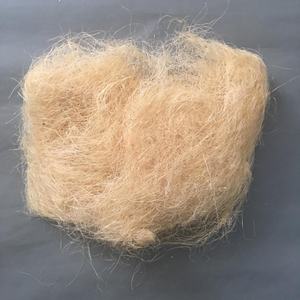
Applications of Steel Concrete Fiber for Fiber Reinforced Concrete
Applications of Steel Concrete Fiber in Fiber Reinforced Concrete
Why Use Steel Fibers?
Steel concrete fibers are little, thin pieces of steel added to concrete combinations. They assist make the concrete stronger and much more durable. Unlike conventional rebar, these fibers spread equally through the mix. This provides consistent assistance across the entire framework.
Usual Uses in Construction
Contractors utilize steel fiber strengthened concrete in several jobs. It functions well for commercial floorings that deal with heavy lots, like warehouses and manufacturing facilities. The fibers minimize splitting and raise influence resistance. That means the floor lasts longer and needs fewer fixings.
Tunnels and underground frameworks also benefit from steel fibers. They boost the concrete’s capacity to hold with each other under stress. This is important where ground activity or pressure can cause damage. Shotcrete applications– like lining passages or slopes– often consist of steel fibers for better performance.
Advantages for Pavements and Roads
Roadways and sidewalks made with steel fiber reinforced concrete show much less surface wear. The fibers assist control contraction fractures that happen as concrete dries. This results in smoother surface areas and lower lasting upkeep prices. Airport terminals utilize this sort of concrete on paths due to the fact that it deals with continuous heavy traffic without breaking down swiftly.
Use in Precast Aspects
Precast concrete parts– such as pipelines, panels, and obstructs– also utilize steel fibers. Including fibers reduces the demand for extra steel mesh or rebar. This accelerate production and cuts labor prices. The final product stays solid and stands up to abrupt influences or bending pressures.
Improved Safety And Security and Efficiency
Steel fibers enhance the toughness of concrete. If a crack begins, the fibers hold the pieces together. This protects against unexpected failing and provides even more warning before severe damage happens. Structures stay safer throughout earthquakes or other extreme occasions. Service providers choose this technique because it offers trusted outcomes with less complex construction steps.
Company Profile
We are the global leader in lightweight concrete and advanced engineered foam solutions. Known globally for its commitment to research, innovation, and applied expertise, we have been providing engineered foam solutions since the early 2012’s.
We can supply high-quality concrete admixture and foam concrete related products all over the world.
The company has a professional technical department and quality supervision department, a well-equipped laboratory, and equipped with advanced testing equipment and after-sales customer service center.
If you are interested, please feel free and contact us.
Payment
T/T, Western Union, Paypal, Credit Card etc.
Shipment
By air, by sea, by express, as customers request.

5 FAQs of Steel Concrete Fiber for Fiber Reinforced Concrete
Frequently Asked Questions About Steel Concrete Fiber
What is steel concrete fiber?
Steel concrete fiber is a small, thin piece of steel added to concrete mixtures. It helps make the concrete stronger and more durable. These fibers are usually hooked or straight and come in different lengths and thicknesses.
Why use steel fiber in concrete?
Adding steel fiber reduces cracks and increases toughness. It also improves impact resistance and helps the concrete hold together even after it starts to crack. This makes structures safer and longer lasting.
How much steel fiber should be used?
The typical dosage ranges from 20 to 50 kilograms per cubic meter of concrete. The exact amount depends on the project’s needs. Always follow engineering guidelines or consult a professional before deciding the right quantity.
Can steel fiber replace traditional rebar?
In some cases, yes. Steel fiber can reduce or eliminate the need for rebar in slabs or pavements. However, for heavy-load structures like beams or columns, rebar is still needed. Steel fiber works best as a supplement, not always a full replacement.
Does steel fiber cause rust in concrete?
Rust is rarely a problem. Once mixed into dense, high-quality concrete, the alkaline environment protects the steel fibers. As long as the concrete cover is sufficient and not cracked badly, corrosion will not affect performance. Proper mix design and curing help prevent rust issues.
REQUEST A QUOTE
RELATED PRODUCTS
concrete construction reinforcement Carbon Fiber and epoxy resin carbon fiber fabric

High Quality 100 Percent Polypropylene Durability Stable Polypropylene Concrete Cement Mortar PP Fiber Factory
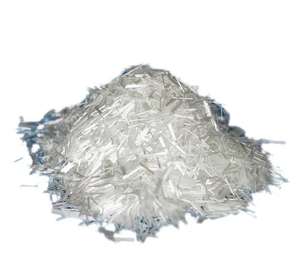
Factory Customized Flooring Shotcrete Concrete Structural Steel Fibres Loose Hooked End Steel Concrete Fiber

The Best and Cheapest Activated Carbon Concrete Fiber Fabric Felt
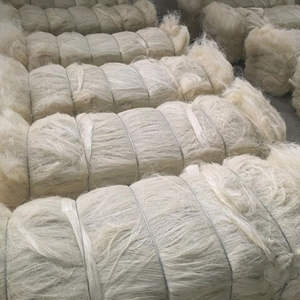
Ultra High Performance 100 Percent Macro Synthetic Concrete Fiber for Concrete Reinforcement