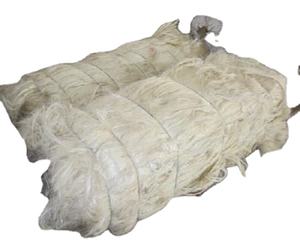
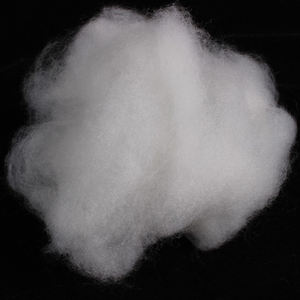
Overview of Polypropylene PP Concrete Fiber for Concrete Construction Use
For high-impact resistance, we offer Steel Fibers, an ideal replacement for welded wire mesh in industrial floors and pre-cast elements. We also provide specialized Structural Synthetic Fibers that offer high tensile strength for demanding applications. These fibers are uniformly dispersed throughout the concrete mix, creating a multi-dimensional reinforcement network that traditional methods cannot achieve. This integrated approach simplifies construction, accelerates placement, and enhances the overall integrity and longevity of the concrete, providing a modern answer to age-old cracking and durability challenges.
Features of Polypropylene PP Concrete Fiber for Concrete Construction Use
1. Superior Crack Control and Enhanced Durability:
The primary feature of our fibers is their ability to bridge both micro-cracks that form during the plastic state and larger cracks in hardened concrete. This three-dimensional dispersion creates a more cohesive matrix that resists crack propagation. The direct benefit is a significant reduction in both plastic shrinkage cracking and long-term crack width. This leads to a much more durable concrete with lower permeability, which in turn enhances resistance to water ingress, freeze-thaw damage, and corrosion of any embedded steel. The result is a structure with a longer service life and reduced maintenance costs.
2. Increased Impact and Abrasion Resistance:
Fibers, particularly steel and robust synthetic macro fibers, dramatically improve the concrete’s toughness and post-crack performance. They absorb and distribute energy upon impact or loading. This feature provides the benefit of a more resilient surface that is less prone to spalling, chipping, and abrasion under heavy traffic or mechanical wear. This is a critical advantage for industrial floors, warehouse pavements, and infrastructure projects, leading to a harder-wearing surface that maintains its integrity over time.
3. Construction Efficiency and Cost Savings:
A key feature of using fiber reinforcement is the elimination of welded wire mesh (WWF) in many applications. This provides immense on-site benefits: it simplifies placement, as there is no mesh to be set up or potentially displaced, and it accelerates the entire construction process. By removing a labor-intensive step, projects see reduced labor costs and faster project timelines. The uniform distribution of fibers also ensures consistent reinforcement throughout the entire concrete section, unlike mesh, which can be improperly placed, leading to more reliable and predictable performance.
Polypropylene PP Concrete Fiber for Concrete Construction Use
Specification of Polypropylene PP Concrete Fiber for Concrete Construction Use
Product Introduction
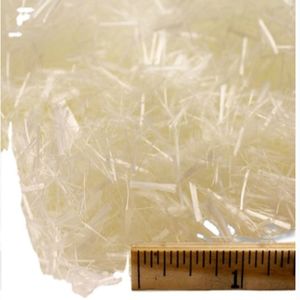
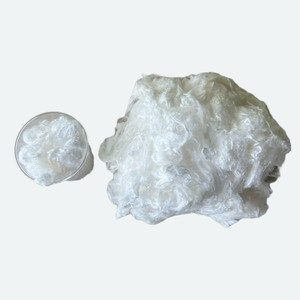
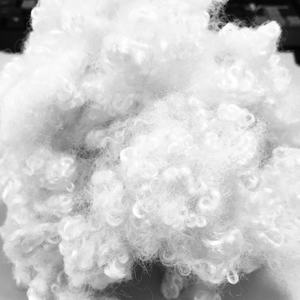
Polypropylene (PP) concrete fiber is a synthetic reinforcement utilized in concrete and mortar blends. It helps control splitting brought on by plastic shrinking and enhances total longevity. The fibers are uniformly distributed throughout the mix to form a three-dimensional assistance network.
Trick Properties
– Material : 100% virgin polypropylene
– Shade : Generally white or light gray (custom-made colors offered on demand).
– Size : Requirement choices consist of 6 mm, 12 mm, and 19 mm.
– Diameter : Approximately 18– 32 microns.
– Tensile Strength : Minimum 450 MPa.
– Thawing Factor : Around 160– 170 ° C.
– Thickness : 0.91 g/cm SIX.
– Prolongation at Break : ≥ 15%.
Performance Conveniences
PP fibers lower early-age breaking by holding the concrete matrix together during preliminary curing. They boost impact resistance and help maintain surface area honesty under stress and anxiety. These fibers do not corrode, unlike steel options, making them perfect for settings subjected to dampness or chemicals. Their hydrophobic nature ensures constant efficiency even in damp conditions.
Advised Dose
Usage 0.6– 1.0 kg of PP fiber per cubic meter of concrete (or 1.2– 2.0 lbs per cubic backyard). Change dose based upon project demands and blend layout. Always comply with regional building codes and engineering standards.
Dealing with and Blending
Include fibers straight into the concrete mixer throughout batching. Mix for at the very least 3– 5 mins to ensure consistent diffusion. No special equipment is needed. Stay clear of clumping by presenting fibers slowly while the mixer is running. Store in a completely dry, protected location far from straight sunlight. Maintain product packaging sealed when not being used to avoid moisture absorption or contamination.
Polypropylene PP Concrete Fiber for Concrete Construction Use
Applications of Polypropylene PP Concrete Fiber for Concrete Construction Use
Applications of Polypropylene PP Concrete Fiber in Building And Construction
More Powerful Concrete with Simple Enhancements
Polypropylene (PP) concrete fiber is a little however powerful addition to conventional concrete mixes. Contractors include these little artificial fibers straight into damp concrete before putting. The fibers spread evenly and help control fracturing from the start.
Where It Works Finest
PP fibers are used in lots of common construction jobs. They function well in floorings, driveways, sidewalks, and storehouse slabs. These areas usually face hefty tons or temperature level changes that create splits. The fibers hold the concrete together even when small splits create.
Cellars and foundations additionally take advantage of PP fibers. Water resistance boosts because the fibers reduce the variety of tiny voids in the hardened concrete. This assists keep moisture out and makes the framework last much longer.
Easy to Use, Large Results
Including PP fibers does not transform how crews blend or pour concrete. No unique devices or training are needed. Simply throw the fibers right into the mixer along with sand, concrete, and water. The outcome is an extra consistent mix that resists very early shrinking fractures.
Security and Longevity
Concrete with PP fibers reveals far better effect resistance. If something strikes the surface area, it is less likely to chip or break apart. This matters for commercial floors, car park, and filling anchors where damage occurs commonly.
The fibers do not corrosion like steel mesh or rebar. That suggests no discoloration or weakening with time. They remain secure inside the concrete for the life of the framework.
Economical Defense
Utilizing PP fibers reduces long-term repair work prices. Fewer cracks suggest fewer fixes. Specialists save money and time while delivering more powerful, cleaner-looking surface areas. Home owners and services both get trustworthy outcomes without added actions or cost.
Company Profile
We are the global leader in lightweight concrete and advanced engineered foam solutions. Known globally for its commitment to research, innovation, and applied expertise, we have been providing engineered foam solutions since the early 2012’s.
We can supply high-quality concrete admixture and foam concrete related products all over the world.
The company has a professional technical department and quality supervision department, a well-equipped laboratory, and equipped with advanced testing equipment and after-sales customer service center.
If you are interested, please feel free and contact us.
Payment
T/T, Western Union, Paypal, Credit Card etc.
Shipment
By air, by sea, by express, as customers request.
5 FAQs of Polypropylene PP Concrete Fiber for Concrete Construction Use
Frequently Asked Questions About Polypropylene PP Concrete Fiber
What is polypropylene (PP) concrete fiber?
Polypropylene concrete fiber is a synthetic fiber made from polypropylene resin. Builders mix it into concrete during batching. The fibers spread evenly through the mix. They help control cracking caused by shrinkage as the concrete dries.
Why add PP fibers to concrete?
Adding PP fibers improves concrete’s performance. It reduces plastic shrinkage cracks that form early in curing. The fibers also boost impact resistance and toughness. This makes the concrete less likely to chip or break under stress. It does not replace steel reinforcement but works well alongside it.
How much fiber should I use per cubic meter?
Typical dosage ranges from 0.6 to 1.0 kg per cubic meter of concrete. Always follow the manufacturer’s instructions. Using too little may give weak results. Using too much can make mixing difficult and affect workability.
Does PP fiber change how concrete looks or feels?
No, PP fibers are fine and disperse evenly. They do not change the surface appearance after finishing. You won’t see them in the final product. The texture and color of the concrete stay the same.
Can I use PP fibers in all types of concrete projects?
Yes, PP fibers work in many applications. Common uses include slabs, pavements, walls, and precast elements. They are especially helpful where early-age cracking is a concern. Make sure your mix design allows for fiber addition and that your equipment can handle it.