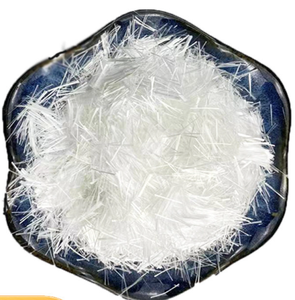
Lightweight Concrete Additives | High-Performance Foaming Agents for Cellular Concrete


PRODUCT PARAMETERS
Description
Overview of Polypropylene fiber for Concrete Additive 3mm-19mm
For high-impact resistance, we offer Steel Fibers, an ideal replacement for welded wire mesh in industrial floors and pre-cast elements. We also provide specialized Structural Synthetic Fibers that offer high tensile strength for demanding applications. These fibers are uniformly dispersed throughout the concrete mix, creating a multi-dimensional reinforcement network that traditional methods cannot achieve. This integrated approach simplifies construction, accelerates placement, and enhances the overall integrity and longevity of the concrete, providing a modern answer to age-old cracking and durability challenges.
Features of Polypropylene fiber for Concrete Additive 3mm-19mm
1. Superior Crack Control and Enhanced Durability:
The primary feature of our fibers is their ability to bridge both micro-cracks that form during the plastic state and larger cracks in hardened concrete. This three-dimensional dispersion creates a more cohesive matrix that resists crack propagation. The direct benefit is a significant reduction in both plastic shrinkage cracking and long-term crack width. This leads to a much more durable concrete with lower permeability, which in turn enhances resistance to water ingress, freeze-thaw damage, and corrosion of any embedded steel. The result is a structure with a longer service life and reduced maintenance costs.
2. Increased Impact and Abrasion Resistance:
Fibers, particularly steel and robust synthetic macro fibers, dramatically improve the concrete’s toughness and post-crack performance. They absorb and distribute energy upon impact or loading. This feature provides the benefit of a more resilient surface that is less prone to spalling, chipping, and abrasion under heavy traffic or mechanical wear. This is a critical advantage for industrial floors, warehouse pavements, and infrastructure projects, leading to a harder-wearing surface that maintains its integrity over time.
3. Construction Efficiency and Cost Savings:
A key feature of using fiber reinforcement is the elimination of welded wire mesh (WWF) in many applications. This provides immense on-site benefits: it simplifies placement, as there is no mesh to be set up or potentially displaced, and it accelerates the entire construction process. By removing a labor-intensive step, projects see reduced labor costs and faster project timelines. The uniform distribution of fibers also ensures consistent reinforcement throughout the entire concrete section, unlike mesh, which can be improperly placed, leading to more reliable and predictable performance.

Specification of Polypropylene fiber for Concrete Additive 3mm-19mm
Polypropylene Fiber for Concrete Ingredient– 3mm to 19mm
Product Summary
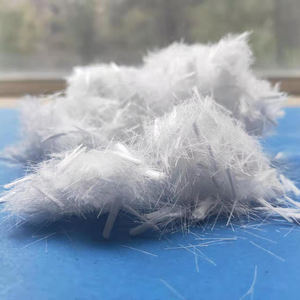
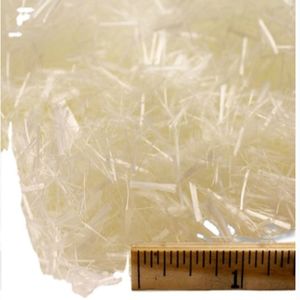
Polypropylene fiber is a synthetic reinforcement used in concrete and mortar mixes. It comes in lengths from 3mm to 19mm. This fiber aids control splitting, enhance effect resistance, and boost longevity. Home builders and designers use it in floors, sidewalks, walls, and precast components.
Trick Includes
The fiber is made from 100% virgin polypropylene. It resists antacids, dampness, and chemicals found in concrete. Each strand has an unique surface texture. This lets it bond well with the concrete matrix. The fibers spread out evenly throughout mixing. They do not glob or ball up.
This product satisfies worldwide criteria for synthetic fibers in concrete. It functions well in both wet and completely dry mix procedures. You can add it directly to the mixer without added steps.
Technical Specifications
– Product: Polypropylene (homopolymer).
– Thickness: 0.91 g/cm SIX.
– Melting point: Around 165 ° C.
– Tensile stamina: Minimum 450 MPa.
– Prolongation at break: 15– 25%.
– Diameter: 18– 40 microns (varies by size).
– Size alternatives: 3mm, 6mm, 12mm, 19mm.
Advantages in Concrete
Adding polypropylene fiber minimizes plastic contraction cracks. It likewise lowers permeability, which slows water and chloride entrance. This assists shield steel support from rust. The fiber increases strength and resistance to unexpected influences. Completed surface areas reveal fewer surface area defects.
Use rates commonly range from 0.6 to 1.0 kg per cubic meter of concrete. Specific dose depends upon the application and performance needs. Always follow regional building codes and mix layout guidelines.
Shop fibers in a completely dry, trendy location. Keep them away from direct sunlight. Proper storage space ensures complete performance when mixed right into concrete.
Applications of Polypropylene fiber for Concrete Additive 3mm-19mm
Applications of Polypropylene Fiber for Concrete Ingredient (3mm– 19mm)
Why Use Polypropylene Fiber in Concrete?
Polypropylene fiber is a typical additive used to improve concrete efficiency. When blended right into concrete, these fibers aid control fracturing brought on by contraction throughout drying out. They also increase influence resistance and reduce surface area wear. The 3mm to 19mm length array provides adaptability for various project demands.
Common Uses in Building
Contractors utilize polypropylene fiber in several sorts of concrete work. It works well in slabs on quality, such as warehouse floors, driveways, and pathways. The fibers help maintain tiny fractures from enlarging gradually. This causes longer-lasting surfaces with less maintenance.
In household tasks, the fiber is frequently contributed to basement wall surfaces, patios, and garage floors. It offers additional strength without transforming just how the concrete appearances or feels. Specialists like it because it mixes conveniently and does not require unique tools.
Industrial and Framework Projects
Durable applications likewise take advantage of this additive. Industrial floors that handle forklifts, machinery, or heavy loads get far better resilience. Passages, bridges, and keeping wall surfaces utilize polypropylene fiber to restrict fracture formation from stress and anxiety or temperature changes.
Shotcrete and sprayed concrete applications– like slope stabilization or swimming pool cellular linings– additionally utilize these fibers. They assist hold the mix with each other throughout application and lower rebound waste.
Trick Advantages
Polypropylene fiber is non-corrosive. Unlike steel fibers, it will certainly not rust, so it’s secure for wet or chemically aggressive settings.
It spreads equally in the mix when proper procedures are complied with, making sure regular results.
No extra labor is needed. You include it right into the mixer with various other products– similar to sand or cement.
This fiber enhances concrete’s life span while keeping costs low. Many engineers and building contractors pick it for its simple usage and reliable efficiency throughout a variety of work.
Company Introduction
Welcome to Concrete and More, a leading provider of high-performance concrete admixtures, including our premium concrete water reducers. With years of experience in the global market, we offer advanced solutions designed to enhance the quality and efficiency of construction projects worldwide. Our state-of-the-art manufacturing facilities ensure top-quality products that meet international standards. We pride ourselves on exceptional customer service, technical support, and tailored solutions to meet specific project needs. Partner with us for reliable, innovative, and cost-effective concrete admixtures that drive your projects forward. Explore more at www.concreteandmore.de/. Let’s build the future together!
If you have any questions, please feel free to contact us.
Payment Methods
T/T, Western Union, Paypal, Credit Card etc.
Shipment Methods
By air, by sea, by express, as customers request.
5 FAQs of Polypropylene fiber for Concrete Additive 3mm-19mm
Frequently Asked Questions About Polypropylene Fiber for Concrete
What is polypropylene fiber used for in concrete?
Polypropylene fiber is added to concrete to control cracking. It helps reduce plastic shrinkage cracks that form while the concrete is still wet. The fibers also improve impact resistance and durability over time.
What lengths are available for this fiber?
The fibers come in lengths from 3mm to 19mm. Shorter fibers (3–6mm) mix easily into thin sections like overlays or shotcrete. Longer fibers (12–19mm) work better in thicker slabs, walls, or structural elements where extra toughness is needed.
How much fiber should I add to my concrete mix?
Typical dosage ranges from 0.5 to 1.0 kg per cubic meter of concrete. Always follow the manufacturer’s instructions. Adding too little may not help much. Adding too much can make mixing hard and affect workability.
Does polypropylene fiber replace steel reinforcement?
No. Polypropylene fiber is not a substitute for steel rebar or welded wire mesh. It controls early-age cracking but does not carry structural loads. Use it together with traditional reinforcement for best results.
Is it easy to mix polypropylene fiber into concrete?
Yes. Add the fibers during the normal batching process. They disperse well in standard mixers. Make sure to mix long enough—usually 3 to 5 minutes after adding fibers—to avoid clumping. No special equipment is needed.
REQUEST A QUOTE
RELATED PRODUCTS
High Strength Pultruded Fiberglass Square Tube for Corrosive Conditions

PP Fiber Monofilament for concrete reinforcement
High Modulus 12k UD Concrete Reinforcement Carbon Concrete Fiber Cloth

Tainuo Fiberglass Mesh Construction Material Exterior Wall Reinforcement Fiberglass Mesh

Best Quality 1000C to 1600C s List Lab Furnace Insulation Material Ceramic Fiber Board