


Lightweight Concrete Additives | High-Performance Foaming Agents for Cellular Concrete

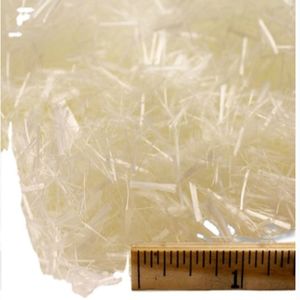
PRODUCT PARAMETERS
Description
Overview of Concrete Reinforcement/Cellulose Fiber Road Construction House Insulation
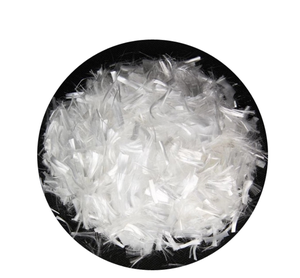
For high-impact resistance, we offer Steel Fibers, an ideal replacement for welded wire mesh in industrial floors and pre-cast elements. We also provide specialized Structural Synthetic Fibers that offer high tensile strength for demanding applications. These fibers are uniformly dispersed throughout the concrete mix, creating a multi-dimensional reinforcement network that traditional methods cannot achieve. This integrated approach simplifies construction, accelerates placement, and enhances the overall integrity and longevity of the concrete, providing a modern answer to age-old cracking and durability challenges.
Features of Concrete Reinforcement/Cellulose Fiber Road Construction House Insulation
1. Superior Crack Control and Enhanced Durability:
The primary feature of our fibers is their ability to bridge both micro-cracks that form during the plastic state and larger cracks in hardened concrete. This three-dimensional dispersion creates a more cohesive matrix that resists crack propagation. The direct benefit is a significant reduction in both plastic shrinkage cracking and long-term crack width. This leads to a much more durable concrete with lower permeability, which in turn enhances resistance to water ingress, freeze-thaw damage, and corrosion of any embedded steel. The result is a structure with a longer service life and reduced maintenance costs.
2. Increased Impact and Abrasion Resistance:
Fibers, particularly steel and robust synthetic macro fibers, dramatically improve the concrete’s toughness and post-crack performance. They absorb and distribute energy upon impact or loading. This feature provides the benefit of a more resilient surface that is less prone to spalling, chipping, and abrasion under heavy traffic or mechanical wear. This is a critical advantage for industrial floors, warehouse pavements, and infrastructure projects, leading to a harder-wearing surface that maintains its integrity over time.
3. Construction Efficiency and Cost Savings:
A key feature of using fiber reinforcement is the elimination of welded wire mesh (WWF) in many applications. This provides immense on-site benefits: it simplifies placement, as there is no mesh to be set up or potentially displaced, and it accelerates the entire construction process. By removing a labor-intensive step, projects see reduced labor costs and faster project timelines. The uniform distribution of fibers also ensures consistent reinforcement throughout the entire concrete section, unlike mesh, which can be improperly placed, leading to more reliable and predictable performance.

Specification of Concrete Reinforcement/Cellulose Fiber Road Construction House Insulation
Concrete Reinforcement & Cellulose Fiber for Construction
More Powerful Concrete with Fiber Support
Including cellulose fiber to concrete makes it harder and more sturdy. The fibers blend evenly into the concrete during putting. They aid control little splits that form as the concrete dries. This brings about a smoother surface and longer life for driveways, walkways, and slabs.
Much Better Roadways That Last Longer
Roads developed with cellulose fiber reveal much less wear gradually. The fibers minimize breaking from rush hour and weather adjustments. They additionally boost just how well the asphalt or concrete holds with each other. This means less gaps and much less need for repair services. Specialists discover it easy to use since it mixes right in with standard paving techniques.
Natural Insulation for Homes
Cellulose fiber is also a top choice for home insulation. It comes from recycled paper dealt with to resist fire, mold and mildew, and insects. When blown right into wall surfaces or attics, it fills every void securely. This quits air leakages and maintains indoor temperatures consistent. Homeowners minimize cooling and heating expenses throughout the year.
Safe, Environment-friendly, and Easy to Utilize
This product is risk-free for workers and the environment. It contains no hazardous chemicals and uses recycled content. Installation does not call for special tools– just standard blending or blowing devices. Building contractors value exactly how it reduces waste and quicken work. Whether you’re putting a foundation, laying a road, or shielding a residence, cellulose fiber provides real results without added hassle.
Secret Conveniences:
– Reduces cracking in concrete and asphalt
– Boosts architectural stamina
– Offers excellent thermal insulation
– Made from environmentally friendly, recycled sources
– Simple to mix and use on-site
Applications of Concrete Reinforcement/Cellulose Fiber Road Construction House Insulation
Concrete Support with Cellulose Fiber
More Powerful Roadways, Better Homes
Including cellulose fiber to concrete makes it harder and more trusted. This natural fiber comes from timber pulp and mixes well right into damp concrete. Once the concrete dries, the fibers wait with each other. Cracks show up less often, and if they do create, they stay small. This aids roadways last much longer without needing constant repair services.
Roads developed with cellulose fiber take care of rush hour much better. The fiber quits tiny splits from turning into big pits. Workers additionally locate this mix simpler to put and end up. It lowers water loss throughout drying out, which suggests less surface area troubles later.
Smart Choice for Residence Insulation
Cellulose fiber functions terrific as home insulation too. It fills up wall surfaces, attics, and floors with a thick, fluffy layer that traps air. This maintains warmth inside during winter and outside during summer. Homeowners save money on heating & cooling expenses.
This kind of insulation is made mostly from recycled paper. That makes it environment-friendly and safe. It does not launch damaging fumes and withstands mold and bugs when treated correctly. Installment is basic– specialists blow it into rooms making use of special equipment.
One Product, Numerous Utilizes
The exact same cellulose fiber utilized in road construction additionally boosts building products. In drywall or plaster, it adds toughness and decreases fracturing. Builders like it since it’s light-weight and mixes conveniently. It additionally lowers waste since less material breaks during handling.
Making use of cellulose fiber supports greener building methods. It replaces some artificial additives and reduces the demand for virgin sources. Whether you’re leading a street or insulating a bed room, this fiber supplies real advantages without additional expense or complexity.
Company Introduction
Welcome to Concrete and More, a leading provider of high-performance concrete admixtures, including our premium concrete water reducers. With years of experience in the global market, we offer advanced solutions designed to enhance the quality and efficiency of construction projects worldwide. Our state-of-the-art manufacturing facilities ensure top-quality products that meet international standards. We pride ourselves on exceptional customer service, technical support, and tailored solutions to meet specific project needs. Partner with us for reliable, innovative, and cost-effective concrete admixtures that drive your projects forward. Explore more at www.concreteandmore.de/. Let’s build the future together!
If you have any questions, please feel free to contact us.
Payment Methods
T/T, Western Union, Paypal, Credit Card etc.
Shipment Methods
By air, by sea, by express, as customers request.
5 FAQs of Concrete Reinforcement/Cellulose Fiber Road Construction House Insulation
Frequently Asked Questions About Concrete Reinforcement and Cellulose Fiber
What is cellulose fiber used for in construction?
Cellulose fiber is mixed into concrete or sprayed onto surfaces to strengthen them. It helps control cracks, adds durability, and improves insulation. Builders often use it in roads, house walls, and roofing systems.
How does cellulose fiber reinforce concrete?
When added to wet concrete, cellulose fibers spread evenly through the mix. They hold the material together as it dries. This reduces shrinkage cracks and makes the final structure tougher. The fibers also help the concrete handle stress better over time.
Is cellulose fiber safe for home insulation?
Yes. Cellulose insulation is made from recycled paper treated with fire retardants. It is non-toxic and safe for indoor use. Many homeowners choose it because it blocks heat well and supports green building practices.
Can cellulose fiber be used on road projects?
Yes. Road builders add cellulose fiber to asphalt or concrete mixes. It helps prevent surface cracking and extends the road’s life. The fiber also improves how well the material holds up under heavy traffic and weather changes.
Why choose cellulose over other reinforcement materials?
Cellulose fiber is eco-friendly, cost-effective, and easy to work with. It comes from renewable sources and needs less energy to produce than synthetic fibers. It performs well in both insulation and structural roles, making it a smart choice for many construction needs.
REQUEST A QUOTE
RELATED PRODUCTS

Haoli High Strength Reinforced Plastic Rods FRP Round Solid Sticks Pultrusion Fiberglass Rod Glass Fiber Pole
Concrete additive High elasticity high strength polypropylene fiber
Shine Universe High Quality Fiberglass Rebar High Strength FRP Rebar for Environmentally Friendly Building

Customized Industrial Macro Concrete Fiber Steel Concrete Cracking Toughness with Customized Application
Zirconia GFRC GRC Fiberglass for Concrete Cement Fiber Additive
