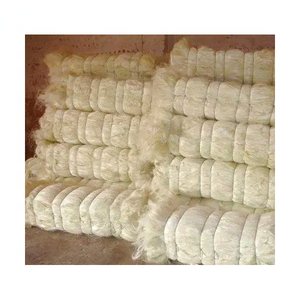
Lightweight Concrete Additives | High-Performance Foaming Agents for Cellular Concrete

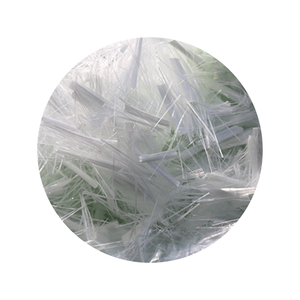
PRODUCT PARAMETERS
Description
Overview of High Strength Anti Cracking Concrete Additive Polypropylene Concrete Fiber for Concrete and Mortar
For high-impact resistance, we offer Steel Fibers, an ideal replacement for welded wire mesh in industrial floors and pre-cast elements. We also provide specialized Structural Synthetic Fibers that offer high tensile strength for demanding applications. These fibers are uniformly dispersed throughout the concrete mix, creating a multi-dimensional reinforcement network that traditional methods cannot achieve. This integrated approach simplifies construction, accelerates placement, and enhances the overall integrity and longevity of the concrete, providing a modern answer to age-old cracking and durability challenges.
Features of High Strength Anti Cracking Concrete Additive Polypropylene Concrete Fiber for Concrete and Mortar
1. Superior Crack Control and Enhanced Durability:
The primary feature of our fibers is their ability to bridge both micro-cracks that form during the plastic state and larger cracks in hardened concrete. This three-dimensional dispersion creates a more cohesive matrix that resists crack propagation. The direct benefit is a significant reduction in both plastic shrinkage cracking and long-term crack width. This leads to a much more durable concrete with lower permeability, which in turn enhances resistance to water ingress, freeze-thaw damage, and corrosion of any embedded steel. The result is a structure with a longer service life and reduced maintenance costs.
2. Increased Impact and Abrasion Resistance:
Fibers, particularly steel and robust synthetic macro fibers, dramatically improve the concrete’s toughness and post-crack performance. They absorb and distribute energy upon impact or loading. This feature provides the benefit of a more resilient surface that is less prone to spalling, chipping, and abrasion under heavy traffic or mechanical wear. This is a critical advantage for industrial floors, warehouse pavements, and infrastructure projects, leading to a harder-wearing surface that maintains its integrity over time.
3. Construction Efficiency and Cost Savings:
A key feature of using fiber reinforcement is the elimination of welded wire mesh (WWF) in many applications. This provides immense on-site benefits: it simplifies placement, as there is no mesh to be set up or potentially displaced, and it accelerates the entire construction process. By removing a labor-intensive step, projects see reduced labor costs and faster project timelines. The uniform distribution of fibers also ensures consistent reinforcement throughout the entire concrete section, unlike mesh, which can be improperly placed, leading to more reliable and predictable performance.

Specification of High Strength Anti Cracking Concrete Additive Polypropylene Concrete Fiber for Concrete and Mortar
High-Strength Anti-Cracking Concrete Additive: Polypropylene Concrete Fiber
What It Is
This item is a high-performance polypropylene fiber produced usage in concrete and mortar. The fibers are uniformly dispersed throughout the mix to assist manage breaking and improve general sturdiness.
Exactly how It Works
When blended right into concrete or mortar, these fibers form a strong internal network. This network holds the material with each other also under tension. It decreases plastic shrinkage cracks that frequently show up during early drying out. It also limits split growth from effect or lasting wear.
Trick Perks
Split resistance: Quits little splits from creating during curing and after hardening.
Much better durability: Makes concrete much less brittle and a lot more able to take in energy.
Easier handling: Fibers disperse rapidly with typical blending– no additional actions needed.
Resilient: Withstands dampness, chemicals, and UV light without damaging down.
Cost-effective: Cuts fixing expenses and prolongs service life of frameworks.
Where to Utilize It
Ideal for floorings, sidewalks, walls, precast components, shotcrete, and fixing mortars. Functions well in both interior and outdoor applications. Generally utilized in commercial slabs, parking decks, passages, and residential foundations.
Technical Details
– Fiber size: 6 mm to 19 mm (standard choices).
– Size: ~ 18– 32 microns.
– Tensile toughness: ≥ 400 MPa.
– Melting factor: ~ 165 ° C.
– Dosage rate: 0.6– 1.0 kg per cubic meter of concrete (adjust based on job demands).
Vital Notes
Constantly adhere to mixing instructions. Include fibers during the first batching phase for best outcomes. Do not change structural steel support– this item works along with it to enhance efficiency. Shop in a completely dry location away from straight sunlight.
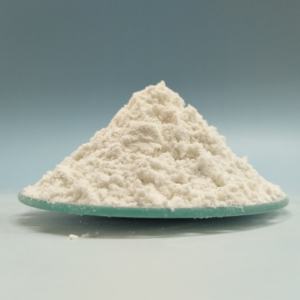
Applications of High Strength Anti Cracking Concrete Additive Polypropylene Concrete Fiber for Concrete and Mortar
High-Strength Anti-Cracking Concrete Additive: Polypropylene Fiber
What It Is
Polypropylene concrete fiber is a synthetic additive made from 100% polypropylene. It blends easily into concrete and mortar. The fibers are fine, evenly dispersed, and made to enhance performance without altering typical mixing or pouring techniques.
Why Use It
Concrete normally develops little cracks as it dries or under stress. These cracks damage the framework in time. Adding polypropylene fibers assists stop these cracks from creating early on. The fibers imitate tiny supports inside the mix. They hold the material together also prior to it completely sets.
Trick Conveniences
Reduces plastic shrinkage cracks. This takes place when fresh concrete loses water as well quick. Fibers slow this down by holding moisture in place.
Boosts effect resistance. Floorings, walls, and sidewalks come to be tougher and deal with heavy tons better.
Enhances durability. Frameworks last longer because internal cracking is lessened. Water and chemicals find it more challenging to seep in.
Easy to use. No unique tools or training needed. Just include the fibers during batching like any kind of other component.
Where It Functions Ideal
This additive suits several typical jobs. Use it in commercial floorings, warehouse slabs, driveways, pathways, and cellar wall surfaces. It likewise functions well in precast aspects, shotcrete, and stucco applications. Anywhere you require more powerful, a lot more reliable concrete, polypropylene fiber delivers actual value.
How Much to Utilize
Normal dosage ranges from 0.6 to 1.0 kg per cubic meter of concrete or mortar. Constantly comply with the manufacturer’s guidelines for best outcomes. Mix extensively to ensure even fiber circulation. Correct blending prevents clumping and guarantees complete performance.
Company Profile
We are the global leader in lightweight concrete and advanced engineered foam solutions. Known globally for its commitment to research, innovation, and applied expertise, we have been providing engineered foam solutions since the early 2012’s.
We can supply high-quality concrete admixture and foam concrete related products all over the world.
The company has a professional technical department and quality supervision department, a well-equipped laboratory, and equipped with advanced testing equipment and after-sales customer service center.
If you are interested, please feel free and contact us.
Payment
T/T, Western Union, Paypal, Credit Card etc.
Shipment
By air, by sea, by express, as customers request.
5 FAQs of High Strength Anti Cracking Concrete Additive Polypropylene Concrete Fiber for Concrete and Mortar
Frequently Asked Questions About Polypropylene Concrete Fiber
What is polypropylene concrete fiber?
Polypropylene concrete fiber is a synthetic additive made from polypropylene. It is mixed into concrete or mortar to help control cracking. The fibers are small and evenly spread throughout the mix.
How does it prevent cracks?
When concrete dries, it shrinks and can crack. The fibers hold the material together during this process. They act like tiny reinforcements that reduce early-age shrinkage cracks. This makes the surface more durable over time.
Can I use it in all types of concrete?
Yes. You can add polypropylene fiber to most standard concrete and mortar mixes. It works well in slabs, pavements, walls, and precast elements. Always follow the recommended dosage on the product label.
Does it affect the workability of concrete?
A small amount of fiber has little effect on workability. If you add too much, the mix may become stiff. Use the correct dosage to keep the concrete easy to place and finish. Mixing time should be enough to spread the fibers evenly.
Is it better than steel fiber or wire mesh?
Polypropylene fiber is not a full replacement for steel reinforcement. But it is excellent for controlling small cracks that happen early in curing. It is lighter, does not rust, and is easier to mix. For basic crack control in non-structural applications, it is often the preferred choice.
REQUEST A QUOTE
RELATED PRODUCTS
Carbon Concrete Fiber Felt Products Activated Carbon Fiber Felt for Industry
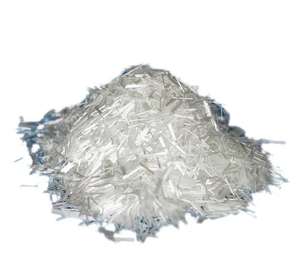
Cracking Resistance Reinforced 6mm PP Cement Concrete Fiber for Concrete Wall

Monofilament PP fiber for concrete reinforcement virgin Polypropylene fiber with high strength
Explosive Copper Steel Fiber Bridge Construction Project Fiber Concrete Construction Material Whole Ripple Steel Fiber
Micro Steel Fiber Concrete Reinforced Metal Steel Fibers For Ready Mixed UHPC Concrete Building Materials