Lightweight Concrete Additives | High-Performance Foaming Agents for Cellular Concrete

PRODUCT PARAMETERS
Description
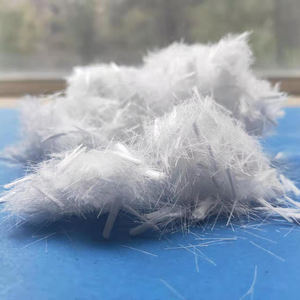
Overview of Polypropylene short fiber concrete, short fiber polypropylene polypropylene fiber wall crack resistance
For high-impact resistance, we offer Steel Fibers, an ideal replacement for welded wire mesh in industrial floors and pre-cast elements. We also provide specialized Structural Synthetic Fibers that offer high tensile strength for demanding applications. These fibers are uniformly dispersed throughout the concrete mix, creating a multi-dimensional reinforcement network that traditional methods cannot achieve. This integrated approach simplifies construction, accelerates placement, and enhances the overall integrity and longevity of the concrete, providing a modern answer to age-old cracking and durability challenges.
Features of Polypropylene short fiber concrete, short fiber polypropylene polypropylene fiber wall crack resistance
1. Superior Crack Control and Enhanced Durability:
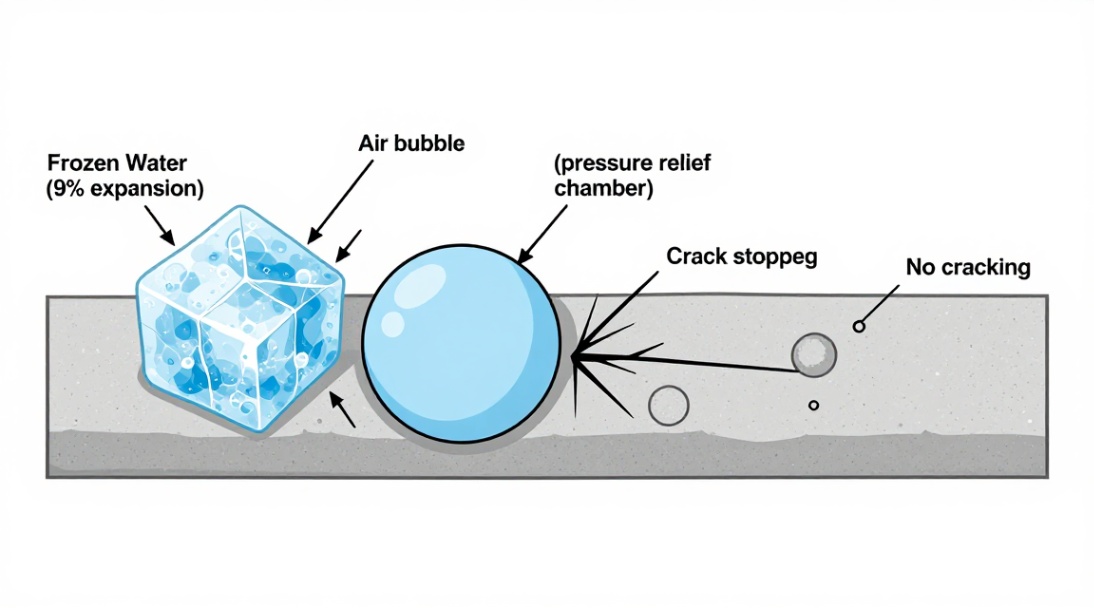
The primary feature of our fibers is their ability to bridge both micro-cracks that form during the plastic state and larger cracks in hardened concrete. This three-dimensional dispersion creates a more cohesive matrix that resists crack propagation. The direct benefit is a significant reduction in both plastic shrinkage cracking and long-term crack width. This leads to a much more durable concrete with lower permeability, which in turn enhances resistance to water ingress, freeze-thaw damage, and corrosion of any embedded steel. The result is a structure with a longer service life and reduced maintenance costs.
2. Increased Impact and Abrasion Resistance:
Fibers, particularly steel and robust synthetic macro fibers, dramatically improve the concrete’s toughness and post-crack performance. They absorb and distribute energy upon impact or loading. This feature provides the benefit of a more resilient surface that is less prone to spalling, chipping, and abrasion under heavy traffic or mechanical wear. This is a critical advantage for industrial floors, warehouse pavements, and infrastructure projects, leading to a harder-wearing surface that maintains its integrity over time.
3. Construction Efficiency and Cost Savings:
A key feature of using fiber reinforcement is the elimination of welded wire mesh (WWF) in many applications. This provides immense on-site benefits: it simplifies placement, as there is no mesh to be set up or potentially displaced, and it accelerates the entire construction process. By removing a labor-intensive step, projects see reduced labor costs and faster project timelines. The uniform distribution of fibers also ensures consistent reinforcement throughout the entire concrete section, unlike mesh, which can be improperly placed, leading to more reliable and predictable performance.

Specification of Polypropylene short fiber concrete, short fiber polypropylene polypropylene fiber wall crack resistance
Polypropylene Brief Fiber Concrete– Enhanced Fracture Resistance for Walls
What It Is
Polypropylene brief fiber concrete uses small artificial fibers made from polypropylene. These fibers mix right into the concrete during batching. They spread equally through the mix and help regulate breaking.
Why Utilize It
Concrete naturally reduces as it dries out. This contraction typically triggers tiny cracks, specifically in wall surfaces. Adding polypropylene fibers decreases this threat. The fibers hold the concrete with each other at a micro degree. They quit little fractures from growing into bigger problems.
Secret Benefits
Split Control: Fibers bridge micro-cracks early in the curing process. This keeps wall surfaces smoother and more undamaged with time.
Longevity Boost: Wall surfaces resist wear, influence, and weather better. The fibers do not corrosion or corrode like metal alternatives.
Easier Positioning: No additional actions are needed. Simply add fibers to the mixer like any type of various other admixture.
Economical: Minimizes the demand for steel mesh or extra labor. Saves time and product expenses on numerous jobs.
Exactly how It Works
When concrete beginnings to break under anxiety, the fibers soak up several of that power. They imitate millions of tiny reinforcements inside the wall surface. This makes the whole framework tougher without altering exactly how you put or complete the concrete.
Where to Use It
Perfect for exterior and interior walls, cellar wall surfaces, preserving walls, and partition panels. Likewise works well in shotcrete applications and precast components. Ideal for both household and industrial builds.
Technical Notes
Fibers are normally 6– 19 mm long with a diameter under 50 microns. Dose varieties from 0.6 to 1.0 kg per cubic meter of concrete. Always comply with maker blending instructions for best outcomes. Store fibers in a completely dry place away from wetness.

Applications of Polypropylene short fiber concrete, short fiber polypropylene polypropylene fiber wall crack resistance
Applications of Polypropylene Short Fiber Concrete
Stronger Wall Surfaces, Less Splits
Contractors utilize polypropylene brief fiber in concrete to stop splits from creating. This fiber mixes easily into wet concrete. It spreads out evenly and holds the mix with each other. When concrete dries and reduces, little stresses accumulate. These typically create hairline splits. The fibers act like a surprise internet inside the material. They catch these little activities and keep splits from growing.
Where It Functions Best
This sort of concrete jobs well in walls, floors, and slabs. It is common in cellars, parking garages, and industrial buildings. Any type of location where fracturing harms performance or looks benefits from this mix. Slim walls or panels gain extra sturdiness. Even stucco and shotcrete applications use polypropylene fibers for much better surface top quality.
Why Pick Polypropylene?
Polypropylene fiber does not rust. It resists chemicals and wetness. That makes it last longer inside concrete than steel fibers. It likewise sets you back much less than many other support options. Workers find it simple to deal with– no unique devices or training required. Simply include it to the set like regular accumulation.
The fibers boost effect resistance as well. If something hits the wall, the concrete flexes a little instead of breaking immediately. This matters in locations with heavy traffic or feasible bumps. Safety and security increases because items are much less most likely to diminish.
Making use of polypropylene short fiber provides peace of mind. Home builders obtain a straightforward means to increase toughness. Homeowners and managers obtain surface areas that look cleaner in time. Splits indicate leakages, stains, and vulnerable points. With this fiber, those issues begin much later on– if they begin at all. The outcome is solid, trustworthy building that takes on daily anxiety without consistent fixing.
Company Introduction
Welcome to Concrete and More, a leading provider of high-performance concrete admixtures, including our premium concrete water reducers. With years of experience in the global market, we offer advanced solutions designed to enhance the quality and efficiency of construction projects worldwide. Our state-of-the-art manufacturing facilities ensure top-quality products that meet international standards. We pride ourselves on exceptional customer service, technical support, and tailored solutions to meet specific project needs. Partner with us for reliable, innovative, and cost-effective concrete admixtures that drive your projects forward. Explore more at www.concreteandmore.de/. Let’s build the future together!
If you have any questions, please feel free to contact us.
Payment Methods
T/T, Western Union, Paypal, Credit Card etc.
Shipment Methods
By air, by sea, by express, as customers request.
5 FAQs of Polypropylene short fiber concrete, short fiber polypropylene polypropylene fiber wall crack resistance
Frequently Asked Questions About Polypropylene Short Fiber Concrete
What is polypropylene short fiber concrete?
Polypropylene short fiber concrete is regular concrete mixed with tiny synthetic fibers made from polypropylene. These fibers are usually 6 to 19 millimeters long. They spread evenly through the mix and help control small cracks that happen during drying or early use.
How does it prevent wall cracks?
When concrete shrinks as it dries, tiny cracks can form. The polypropylene fibers hold the concrete together at a microscopic level. They act like a hidden net inside the wall, stopping small cracks from growing bigger. This makes walls stronger and more durable over time.
Is it easy to mix and place?
Yes. You add the fibers directly into the concrete mixer along with cement, sand, water, and other materials. No special tools or steps are needed. The mix flows and spreads just like normal concrete. Workers do not need extra training to handle it.
Does it replace steel reinforcement?
No. Polypropylene fibers are not a substitute for steel bars or mesh in load-bearing structures. They mainly reduce plastic shrinkage cracks and improve impact resistance. Use them together with traditional reinforcement when both crack control and structural strength are required.
Where is it commonly used?
This type of concrete works well in floors, driveways, sidewalks, stucco, shotcrete, and thin wall panels. It is also popular in residential and commercial buildings where surface cracking is a concern. Many builders choose it for basements, garages, and exterior finishes because it lowers maintenance needs and improves appearance.
REQUEST A QUOTE
RELATED PRODUCTS
pp fiber for concrete pp staple fiber macro micro pp staple fiber production line for nonwoven twist
Synthetic pp microfiber 6mm 12mm polypropylene fiber for ready-mix concrete
Steel fiber can be used for both floor concrete bridge and pavement
Reinforced Fiberglass Rebar High Performance Corrosion Resistant Fiberglass Reinforcing Steel Rebar

Factory 1800C Refractory Material Ceramic Fiber Board High Strength Ceramic Fiber Insulation Board