


Lightweight Concrete Additives | High-Performance Foaming Agents for Cellular Concrete

PRODUCT PARAMETERS
Description
Introduction to Chemical Used in Cement White Cement Cellulose Powder Hydroxypropyl Methyl Cellulose HPMC
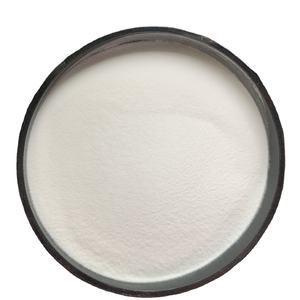
Hydroxypropyl Methylcellulose (HPMC), whose Chinese name is hydroxypropyl methylcellulose, is a semi-synthetic, non-ionic cellulose ether obtained by chemically modifying natural cellulose. This white powder can form a transparent viscous solution after dissolving in water. It has excellent thickening, water retention, stability and film-forming properties. It is an indispensable multifunctional additive in many fields such as construction.
Characteristics and advantages of Chemical Used in Cement White Cement Cellulose Powder Hydroxypropyl Methyl Cellulose HPMC
Excellent water solubility: It can be quickly dissolved in cold water to form a clear and stable solution.
Efficient thickening and water retention ability: Increase the viscosity of the material, effectively reduce water evaporation, and improve work efficiency.
Good stability: It has good stability to acids, alkalis, and salts, and is suitable for a wide range of pH values.
Film-forming and protective effects: After drying, it forms a tough and transparent film to protect the substrate and prevent water penetration and evaporation.
Non-toxic and non-irritating: It has good biocompatibility and is suitable for the fields of medicine and food.
Adjustability: By changing the degree of substitution and molecular weight, its performance can be adjusted to meet different application requirements.

Specifications of Chemical Used in Cement White Cement Cellulose Powder Hydroxypropyl Methyl Cellulose HPMC
Specifications of Hydroxypropyl Methyl Cellulose (HPMC) for White Cement
Product Overview
Hydroxypropyl Methyl Cellulose (HPMC) is a key additive used in white cement formulations. It improves workability, water retention, and overall performance of cement-based products. This cellulose powder is odorless, non-toxic, and dissolves easily in cold water.
Key Technical Specifications
– Appearance: White to off-white free-flowing powder
– Moisture Content: ≤5%
– pH Value (2% solution): 6.0–8.0
– Viscosity (2% solution at 20°C): 4,000–100,000 mPa·s (varies by grade)
– Gel Temperature: 58–75°C
– Ash Content: ≤5%
– Particle Size: Passes through 80-mesh sieve (≥98%)
Functional Benefits in White Cement
HPMC helps white cement retain water during curing. This prevents premature drying and reduces cracking. The powder also boosts adhesion between layers, which makes tiling and plastering smoother. Its thickening effect gives better consistency to mortar mixes. Workers find the mix easier to handle and spread evenly.
HPMC remains stable under normal storage conditions. It does not react with other common cement additives. The product meets international quality standards for construction chemicals.
Recommended Dosage
Typical dosage ranges from 0.1% to 0.4% by weight of total dry materials. Exact amounts depend on climate, mix design, and desired workability. Always conduct small-scale trials before full application.
Storage and Handling
Store HPMC in a cool, dry place away from direct sunlight. Keep containers sealed to avoid moisture absorption. Use standard protective gear like gloves and masks during handling. Avoid creating dust clouds.

Applications of Chemical Used in Cement White Cement Cellulose Powder Hydroxypropyl Methyl Cellulose HPMC
Applications of Hydroxypropyl Methyl Cellulose (HPMC) in White Cement Products
Why HPMC Matters in White Cement
White cement needs special additives to work well in real-world applications. One key ingredient is hydroxypropyl methyl cellulose, or HPMC. This chemical comes from natural cellulose and helps white cement perform better during mixing, application, and drying.
Better Workability and Water Retention
When you mix white cement with water, it can dry too fast—especially on hot days or porous surfaces. HPMC holds water inside the mix longer. This gives workers more time to spread and shape the material evenly. Good water retention also means the cement cures properly, which leads to stronger final results.
Improved Adhesion and Consistency
White cement is often used for decorative finishes, tile adhesives, or grouts. In these cases, sticking power matters a lot. HPMC boosts adhesion so the cement bonds tightly to walls, tiles, or other surfaces. It also keeps the mixture smooth and lump-free, making it easier to apply without sagging or sliding.
Crack Resistance and Finish Quality
Without additives, white cement may shrink as it dries. This shrinkage can cause small cracks or an uneven surface. HPMC reduces shrinkage by controlling how water leaves the mix. The result is a cleaner, smoother finish—important for architectural or aesthetic uses where appearance counts.
Stable Performance Across Conditions
HPMC works reliably in different temperatures and humidity levels. Whether you’re working indoors or outdoors, this additive helps white cement stay consistent from batch to batch. Contractors and manufacturers trust it because it delivers predictable results every time.
Company Profile
We are the global leader in lightweight concrete and advanced engineered foam solutions. Known globally for its commitment to research, innovation, and applied expertise, we have been providing engineered foam solutions since the early 2012’s.
We can supply high-quality concrete admixture and foam concrete related products all over the world.
The company has a professional technical department and quality supervision department, a well-equipped laboratory, and equipped with advanced testing equipment and after-sales customer service center.
If you are interested, please feel free and contact us.
Payment
T/T, Western Union, Paypal, Credit Card etc.
Shipment
By air, by sea, by express, as customers request.
5 FAQs of Chemical Used in Cement White Cement Cellulose Powder Hydroxypropyl Methyl Cellulose HPMC
Frequently Asked Questions About HPMC in White Cement
What is HPMC and why is it used in white cement?
HPMC stands for Hydroxypropyl Methyl Cellulose. It is a white, odorless powder made from natural cellulose. In white cement products, HPMC works as a thickener, water retainer, and binder. It helps the mix stay smooth, stick better to surfaces, and dry evenly without cracking.
How does HPMC improve workability?
HPMC makes the cement paste easier to spread and shape. It slows down water loss, giving workers more time to finish the job. This is especially helpful in hot or dry weather when cement dries too fast. The result is a smoother surface with fewer mistakes.
Does HPMC affect the final strength of white cement?
No. When used in the right amount, HPMC does not reduce strength. It mainly improves handling and application. After the cement hardens, HPMC leaves no negative impact on durability or load-bearing capacity.
What is the right dosage of HPMC in white cement mixes?
The typical dosage ranges from 0.1% to 0.4% of the total dry weight. The exact amount depends on the product type, climate, and desired performance. Too much HPMC can make the mix sticky or slow to set. Always follow the manufacturer’s instructions.
Is HPMC safe to use in construction materials?
Yes. HPMC is non-toxic, biodegradable, and widely approved for use in building products. It does not release harmful fumes during mixing or curing. Workers should still wear basic protective gear like gloves and masks to avoid dust inhalation, as with any fine powder.
REQUEST A QUOTE
RELATED PRODUCTS

Factory Direct Hydroxypropyl Methyl Cellulose HPMC 200000 CPS for Construction Tile Binder

High Viscosity Hydroxypropyl Methyl Cellulose HPMC HEC HMPC MHEC in Coating Emulsion Paint as Thickener
Free Samples Thickening Additives HPMC Powder For Ready Mix Plaster

Cellulose Ether Thickener Agent Hydroxypropyl Methyl Cellulose HPMC Factory Direct for Tile Adhesive

Industrial Grade Hypromellose Hydroxypropyl Methyl Cellulose HPMC for Cement Mortar and Wall Putty
