Lightweight Concrete Additives | High-Performance Foaming Agents for Cellular Concrete


PRODUCT PARAMETERS
Description
Introduce of Redispersible Polymer Powder RDP Improves Moisture Resistance and Water Permeability
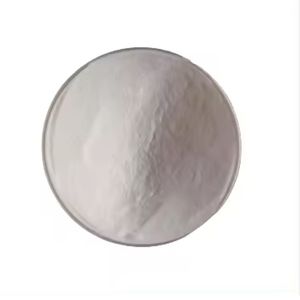
Redispersible Polymer Powder (RDP), also known as redispersible latex powder, is a powdered polymer formed by spray drying of polymer emulsion. This powder can be dispersed again to form a stable emulsion after contacting water. It is widely used in construction chemicals such as dry-mix mortars, tile adhesives, plastering mortars, and self-leveling floor materials to enhance the adhesion, waterproofness, and Flexibility and durability.
Features of Redispersible Polymer Powder RDP Improves Moisture Resistance and Water Permeability
Enhanced bonding force: Significantly improve the bonding strength between mortar and other base materials, reducing hollowing and falling off.
Improve flexibility: Give cement-based materials better stretchability and crack resistance, effectively resisting cracking caused by temperature changes and vibration.
Improve durability: Enhance the material’s impermeability, freeze-thaw resistance and chemical corrosion resistance to extend its service life.
Easy construction: Improve the plasticity and opening time of mortar to facilitate construction operations and adjustments.
Environmental protection: no solvent evaporation, meets environmental protection requirements, and is suitable for green building construction.
Good compatibility: Compatible with a variety of cement-based materials and can be widely used in different types of building materials.

Specification of Redispersible Polymer Powder RDP Improves Moisture Resistance and Water Permeability
Redispersible Polymer Powder (RDP) for Superior Moisture Resistance
Enhanced Protection Against Water
Redispersible polymer powder (RDP) is a key ingredient in modern construction materials. It greatly improves how well products resist moisture and block water from passing through. When mixed into cement-based formulations like tile adhesives, renders, or self-leveling compounds, RDP forms a flexible polymer film after drying. This film acts as a barrier that slows down water movement and keeps the material dry longer.
Water can weaken building materials over time. It causes swelling, cracking, and loss of strength. Adding RDP helps prevent these problems. The polymer network created by RDP fills tiny gaps in the cement matrix. This makes the final product denser and less porous. As a result, water finds it harder to enter or move through the material.
Real-World Performance Benefits
Products with RDP show better performance in wet conditions. Tile adhesives stay strong even when exposed to humidity or occasional splashes. Exterior renders last longer because they absorb less rainwater. Self-leveling underlayments maintain their shape and integrity without softening.
The improvement in water permeability is clear in lab tests. Materials with RDP consistently score lower on water absorption rates. They also keep more of their original strength after being soaked. This means fewer repairs and longer service life for finished surfaces.
RDP works well with common additives and fillers. It does not change the way workers mix or apply the product. The powder dissolves easily in water during mixing and spreads evenly through the batch. Once cured, the benefits are locked in place.
Builders and manufacturers choose RDP because it delivers reliable moisture control without extra steps or cost. It is a simple way to make everyday construction products perform better in real-world environments where water is always a concern.
Applications of Redispersible Polymer Powder RDP Improves Moisture Resistance and Water Permeability
How Redispersible Polymer Powder Boosts Moisture Resistance
Stronger Protection Against Water
Redispersible polymer powder (RDP) is a key ingredient in modern construction materials. When added to cement-based products like tile adhesives, renders, and plasters, it forms a flexible film as the mixture dries. This film fills tiny gaps and pores in the material. As a result, water finds it harder to pass through.
RDP reduces water absorption. Without it, traditional cement mixes absorb moisture easily. This can lead to swelling, cracking, or even mold growth over time. With RDP, the surface stays drier and more stable, even in humid conditions.
Better Performance in Wet Environments
Products containing RDP handle wet weather much better. They resist rain, splashes, and high humidity without losing strength. This makes them ideal for bathrooms, kitchens, basements, and exterior walls.
The polymer network blocks water pathways. Once redispersed in water during mixing, the powder particles bond tightly with cement and sand. After curing, they create a continuous barrier that slows down water movement. This not only improves durability but also helps maintain the look and function of the finished surface.
Long-Lasting Results
Using RDP means fewer repairs and longer service life. Walls and floors stay intact because moisture cannot weaken the structure from within. Even under repeated wet-dry cycles, the material holds up well.
Builders and manufacturers choose RDP because it delivers real-world benefits with simple adjustments to their mix designs. It works quietly behind the scenes—no extra steps, no special tools—just better resistance where it matters most.
Company Profile
We are the global leader in lightweight concrete and advanced engineered foam solutions. Known globally for its commitment to research, innovation, and applied expertise, we have been providing engineered foam solutions since the early 2012’s.
We can supply high-quality concrete admixture and foam concrete related products all over the world.
The company has a professional technical department and quality supervision department, a well-equipped laboratory, and equipped with advanced testing equipment and after-sales customer service center.
If you are interested, please feel free and contact us.
Payment
T/T, Western Union, Paypal, Credit Card etc.
Shipment
By air, by sea, by express, as customers request.
5 FAQs of Redispersible Polymer Powder RDP Improves Moisture Resistance and Water Permeability
5 FAQs About Redispersible Polymer Powder (RDP) for Better Moisture Resistance
What is Redispersible Polymer Powder (RDP)?
RDP is a fine white powder made from polymer emulsions. When mixed with water, it turns back into a film-forming polymer. Builders add it to cement-based products like tile adhesives, renders, and plasters to improve performance.
How does RDP improve moisture resistance?
RDP forms a flexible polymer film inside the hardened mortar. This film fills tiny gaps and blocks water from moving through. As a result, the material resists water better and stays strong even in damp conditions.
Does RDP reduce water permeability?
Yes. The polymer network created by RDP lowers the number of open pores in the mix. With fewer paths for water to travel, the final product becomes less permeable. This helps prevent water damage and extends the life of the structure.
Can RDP be used in exterior applications?
Absolutely. Because RDP boosts water resistance and adhesion, it works well in outdoor settings. It helps coatings and mortars handle rain, humidity, and temperature changes without cracking or peeling.
Is RDP safe and easy to use?
RDP is non-toxic and simple to blend into dry-mix formulations. Just add it during production like any other powder additive. No special tools or steps are needed. Once applied, it performs reliably without harming people or the environment.
REQUEST A QUOTE
RELATED PRODUCTS

Free Sample Chemical Powder Redispersible Polymer Powder RDP PVA HPMC PP Fibre VAE for Tile Adhesive Dry Mixed Mortar

Water Resistant Redispersible Polymer Powder RDP for Interior Exterior White Cement Render Plaster
VAE Redispersible Polymer Powder RDP for Construction Mortar Additive

Redispersible Polymer Powder RDP VAE Elastic Cement Paint Repair Material VAE Copolymer Aqueous Dispersion

Hot High Quality Redispersible Polymer Powder RDP VAE for Construction Building Materials