Lightweight Concrete Additives | High-Performance Foaming Agents for Cellular Concrete

PRODUCT PARAMETERS
Description
Overview of Hydroxypropyl Methyl Cellulose HPMC Concrete Admixture for Gypsum Plaster and Stucco
Hydroxypropyl Methyl Cellulose HPMC Concrete Admixture for Gypsum Plaster and Stucco is chemical compounds added to concrete mixtures to improve various properties of the material, such as workability, strength, durability, and curing time. These additives include plasticizers, retarders, accelerators, waterproofing agents, and air-entraining agents, each designed to meet specific needs in concrete production. Concrete additives are commonly used in both commercial and residential construction, as well as in the production of precast and ready-mix concrete. By enhancing the performance and quality of concrete, these additives help improve the overall efficiency of construction projects while ensuring the durability and longevity of the finished structure. They are easy to incorporate into the mix and provide cost-effective solutions for optimizing concrete properties in a wide range of applications.
Characteristics of Hydroxypropyl Methyl Cellulose HPMC Concrete Admixture for Gypsum Plaster and Stucco
Enhanced Strength: Concrete additives can significantly increase the compressive strength of concrete, making it more resilient to pressure and stress. This ensures the longevity and durability of structures, reducing the likelihood of cracking or failure.
Improved Workability: Additives such as plasticizers and superplasticizers improve the flowability and consistency of concrete, making it easier to handle, pour, and finish. This enhances productivity on the construction site and reduces labor costs.
Faster Curing: Accelerators, a type of concrete additive, help speed up the curing process, allowing for quicker setting times and faster completion of projects. This is especially useful in cold weather or when fast-tracking construction timelines.
Increased Durability: Many additives, like water-reducing agents and waterproofing compounds, increase the resistance of concrete to harsh environmental conditions such as freeze-thaw cycles, water ingress, and chemical exposure, ensuring long-term performance.
Better Adhesion and Bonding: Certain additives improve the bonding between the concrete and other materials, such as reinforcing steel or aggregates, enhancing the overall structural integrity and reducing the chances of delamination or separation.
Versatility for Various Applications: Concrete additives are highly versatile and can be used in a wide range of applications, from residential buildings to large-scale infrastructure projects. They are formulated to meet specific needs such as high-strength concrete, self-compacting concrete, or durable concrete for extreme conditions.
Cost-Efficient: By improving the quality and performance of concrete, additives reduce the need for additional maintenance and repairs, leading to significant cost savings in the long term. Additionally, they help optimize the mix design, reducing material waste.
Environmentally Friendly: Many modern concrete additives are formulated with eco-friendly ingredients, contributing to more sustainable construction practices. These additives help minimize the carbon footprint and improve the environmental performance of the concrete.
Enhanced Surface Finish: Additives like air-entraining agents can improve the finish and appearance of concrete by preventing defects like cracking, honeycombing, or surface dusting, ensuring a smooth, professional-grade surface.

Specification of Hydroxypropyl Methyl Cellulose HPMC Concrete Admixture for Gypsum Plaster and Stucco
Hydroxypropyl Methyl Cellulose (HPMC) for Plaster and Stucco
Item Introduction
Hydroxypropyl Methyl Cellulose (HPMC) is a high-performance additive used in gypsum plaster and stucco mixes. It boosts workability, water retention, and adhesion. This white, free-flowing powder liquifies conveniently in water and forms a clear, thick remedy that improves the efficiency of building materials.
Trick Advantages
HPMC helps keep water in the mix. This allows proper hydration of plaster and cement elements. Much better water retention causes more powerful end products and reduces cracking. The additive also increases workability. Workers can apply plaster or stucco a lot more efficiently and uniformly.
It increases open time. This provides installers more time to shape and end up surface areas before the material collections. HPMC additionally boosts sag resistance on upright surface areas. This means much less sagging and far better protection. Bond to substrates like concrete, brick, or drywall comes to be a lot more trusted.
Technical Includes
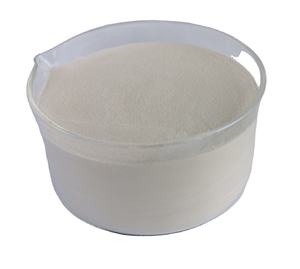
– Appearance: White to beige free-flowing powder
– Thickness: Offered in several qualities (e.g., 400 mPa · s, 4,000 mPa · s, 15,000 mPa · s).- pH (2% service): 7.0– 8.5.
– Gel temperature: 58– 62 ° C.- Dampness material: ≤ 5%.
– Ash material: ≤ 5%.
Usage Guidelines
Include HPMC at 0.1% to 0.4% by weight of overall completely dry mix. Blend thoroughly with various other dry components prior to including water. Use clean, cool water for blending. Adjust dosage based upon climate, substrate, and preferred workability. Shop in a trendy, dry place far from wetness. Keep container secured when not being used. Life span is year under appropriate storage space conditions.

Applications of Hydroxypropyl Methyl Cellulose HPMC Concrete Admixture for Gypsum Plaster and Stucco
Applications of Hydroxypropyl Methyl Cellulose (HPMC) in Plaster and Stucco
Boosted Workability and Consistency
HPMC makes gypsum plaster and stucco less complicated to mix, spread out, and form. It gives the product a smooth, consistent structure so employees can apply it uniformly without additional initiative. This helps in reducing waste and saves time on the job site.
Better Water Retention
Plaster and stucco need adequate water to establish properly. HPMC holds water in the mix much longer, especially on completely dry or permeable surfaces. This stops early drying, which can trigger fractures or weak spots. With regular dampness, the final surface area ends up being more powerful and more durable.
Enhanced Attachment
HPMC helps plaster and stucco stick far better to wall surfaces, ceilings, and other substrates. It decreases slippage on vertical surfaces and boosts bond toughness. This implies less repair services and a cleaner surface.
Managed Open Time
Contractors get even more time to work with the material prior to it begins to set. HPMC expands this open time without slowing down the overall treating process. That enables adjustments, smoothing, or taking care of blunders while the mix is still workable.
Minimized Sag and Downturn
When applied heavily or on above locations, plaster and stucco can sag or slide. HPMC includes body to the mix, assisting it remain in area. This causes also density and a professional look without drips or runs.
Compatibility and Security
HPMC jobs well with usual additives used in modern-day plaster and stucco solutions. It remains stable across a series of temperature levels and storage problems. This ensures trustworthy performance set after set.
Company Profile
We are the global leader in lightweight concrete and advanced engineered foam solutions. Known globally for its commitment to research, innovation, and applied expertise, we have been providing engineered foam solutions since the early 2012’s.
We can supply high-quality concrete admixture and foam concrete related products all over the world.
The company has a professional technical department and quality supervision department, a well-equipped laboratory, and equipped with advanced testing equipment and after-sales customer service center.
If you are interested, please feel free and contact us.
Payment
T/T, Western Union, Paypal, Credit Card etc.
Shipment
By air, by sea, by express, as customers request.
5 FAQs of Hydroxypropyl Methyl Cellulose HPMC Concrete Admixture for Gypsum Plaster and Stucco
Frequently Asked Questions About HPMC for Gypsum Plaster and Stucco
What is HPMC used for in gypsum plaster and stucco?
HPMC (Hydroxypropyl Methyl Cellulose) works as a key additive in gypsum plaster and stucco mixes. It helps control water retention so the material sets properly. This improves workability and makes it easier to apply by hand or machine.
How does HPMC improve workability?
HPMC gives the mix a smooth, creamy texture. This lets workers spread the plaster or stucco evenly without it drying too fast. The material stays flexible longer, which reduces cracking and helps with troweling.
Does HPMC affect drying time?
Yes. HPMC slows down water loss from the mix. This controlled drying helps cementitious materials hydrate fully. As a result, the final surface becomes stronger and more uniform.
Can HPMC prevent sagging on vertical surfaces?
Absolutely. HPMC increases the mix’s viscosity and adhesion. This stops the material from sliding or slumping when applied to walls or ceilings. You get a cleaner finish with less waste and rework.
Is HPMC compatible with other additives?
HPMC works well with most common additives used in plaster and stucco, like retarders, accelerators, or redispersible polymer powders. Just follow the manufacturer’s mixing instructions to avoid performance issues. Always test small batches first if you’re combining multiple products.
REQUEST A QUOTE
RELATED PRODUCTS
Industrial Grade Concrete Admixture for Mortar Cement Air Entraining Agent

Concrete Admixture PVA Short Fiber for Thin Cement Based Products and Roofing Sheets
Construction Concrete Admixture Polyether Antifoam Cement Defoamer Liquid Water Surfactant Auxiliary Agent in Bag

Free Sample Hydroxypropyl Methylcellulose Ether HPMC Powder Industrial High Water Retention Concrete Admixture for Mortar
RDP Powder China Factory Water Proof Concrete Admixture VAE Redispersible Polymer Powder for Water Proof Mortar