Lightweight Concrete Additives | High-Performance Foaming Agents for Cellular Concrete

PRODUCT PARAMETERS
Description
Overview of Fiberglass Rebar Machine Produce High Quality Glass Fiber Rebars
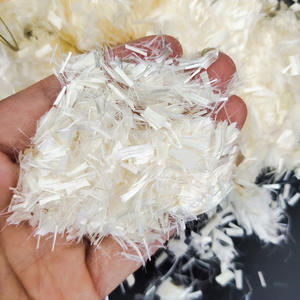
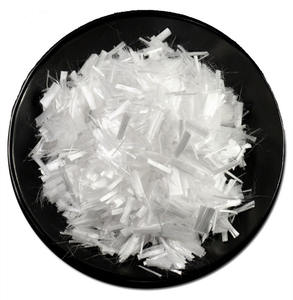
For high-impact resistance, we offer Steel Fibers, an ideal replacement for welded wire mesh in industrial floors and pre-cast elements. We also provide specialized Structural Synthetic Fibers that offer high tensile strength for demanding applications. These fibers are uniformly dispersed throughout the concrete mix, creating a multi-dimensional reinforcement network that traditional methods cannot achieve. This integrated approach simplifies construction, accelerates placement, and enhances the overall integrity and longevity of the concrete, providing a modern answer to age-old cracking and durability challenges.
Features of Fiberglass Rebar Machine Produce High Quality Glass Fiber Rebars
1. Superior Crack Control and Enhanced Durability:
The primary feature of our fibers is their ability to bridge both micro-cracks that form during the plastic state and larger cracks in hardened concrete. This three-dimensional dispersion creates a more cohesive matrix that resists crack propagation. The direct benefit is a significant reduction in both plastic shrinkage cracking and long-term crack width. This leads to a much more durable concrete with lower permeability, which in turn enhances resistance to water ingress, freeze-thaw damage, and corrosion of any embedded steel. The result is a structure with a longer service life and reduced maintenance costs.
2. Increased Impact and Abrasion Resistance:
Fibers, particularly steel and robust synthetic macro fibers, dramatically improve the concrete’s toughness and post-crack performance. They absorb and distribute energy upon impact or loading. This feature provides the benefit of a more resilient surface that is less prone to spalling, chipping, and abrasion under heavy traffic or mechanical wear. This is a critical advantage for industrial floors, warehouse pavements, and infrastructure projects, leading to a harder-wearing surface that maintains its integrity over time.
3. Construction Efficiency and Cost Savings:
A key feature of using fiber reinforcement is the elimination of welded wire mesh (WWF) in many applications. This provides immense on-site benefits: it simplifies placement, as there is no mesh to be set up or potentially displaced, and it accelerates the entire construction process. By removing a labor-intensive step, projects see reduced labor costs and faster project timelines. The uniform distribution of fibers also ensures consistent reinforcement throughout the entire concrete section, unlike mesh, which can be improperly placed, leading to more reliable and predictable performance.

Specification of Fiberglass Rebar Machine Produce High Quality Glass Fiber Rebars
Specification of Fiberglass Rebar Device– Create Top Quality Glass Fiber Rebars
Device Summary
This fiberglass rebar machine is constructed to make solid, light-weight glass fiber reinforced polymer (GFRP) rebars. It uses sophisticated pultrusion technology to make sure constant high quality and high production rate. The equipment deals with resources like E-glass rovings and plastic ester resin with precision.
Secret Technical Includes
The system consists of a precise tension control device that maintains fibers evenly straightened throughout the procedure. An electronic resin bathroom controls material web content accurately, which assists avoid weak spots in the final product. The heating oven has numerous zones with independent temperature level settings. This enables full healing of the rebars without overheating or under-curing.
The pull unit runs smoothly and steadily, making use of servo motors for specific speed control. This guarantees each rebar satisfies limited dimensional resistances. The cutting system is automatic and adjustable, so you can establish any length from 1 meter to 12 meters.
Outcome and Efficiency
The maker produces rebars in sizes from 6 mm to 32 mm. Result arrays from 80 kg/hour to 300 kg/hour, depending on dimension and line configuration. All ended up rebars satisfy global standards like ASTM D7957 and ISO 10406-2 for tensile toughness, sturdiness, and deterioration resistance.
Operation and Maintenance
Operators can handle the entire procedure through an user-friendly touchscreen user interface. Alarm systems alert personnel to issues like low material levels or fiber breaks. Routine maintenance is basic– most parts are convenient and change. The layout lowers downtime and keeps running expenses reduced.
Why Select This Machine?
It delivers reputable efficiency day in day out. The rebars it makes are non-corrosive, non-conductive, and stronger than steel by weight. Building contractors use them in bridges, aquatic structures, and high-rises where lengthy life and safety and security matter a lot of.
Applications of Fiberglass Rebar Machine Produce High Quality Glass Fiber Rebars
Applications of Fiberglass Rebar Machines for High-Quality Glass Fiber Rebars
Strong, Lightweight Support for Modern Building And Construction
Fiberglass rebar machines produce glass fiber enhanced polymer (GFRP) rebars that use a wise alternative to standard steel. These rebars are solid but much lighter than steel. They do not rust, making them suitable for tasks near water or in rough environments.
Perfect for Coastal and Marine Projects
In coastal areas, deep sea rapidly harms steel reinforcement. Fiberglass rebars stand up to rust entirely. Bridges, piers, seawalls, and docks benefit substantially from this sturdiness. Using GFRP rebars suggests fewer repairs and longer service life.
Appropriate for Framework and Transportation
Roadways, passages, and railway systems face continuous tension and direct exposure to de-icing salts. Steel rebars typically rust under these conditions. Fiberglass rebars handle the exact same lots without destruction. They also do not conflict with electromagnetic signals, which is very important near sensitive equipment like web traffic sensing units or communication systems.
Ideal for Industrial and Chemical Settings
Factories, wastewater treatment plants, and chemical storage space facilities need products that stand up to acids and various other aggressive compounds. Fiberglass rebars remain steady where steel would certainly fail. This makes them a reliable selection for floors, containers, and containment frameworks.
Great for Green and Sustainable Structure
Glass fiber rebars are made from bountiful resources and call for less energy to create than steel. Their long life expectancy decreases the demand for substitute. Building contractors focused on sustainability select GFRP rebars to reduced environmental effect while preserving structural stability.
Easy to Take Care Of and Install
Since they evaluate regarding one-quarter as high as steel, fiberglass rebars are simpler to deliver and position on-site. Employees can reduce and shape them with fundamental devices. This speeds up building and construction and cuts labor expenses without sacrificing strength or safety and security.
Company Profile
We are the global leader in lightweight concrete and advanced engineered foam solutions. Known globally for its commitment to research, innovation, and applied expertise, we have been providing engineered foam solutions since the early 2012’s.
We can supply high-quality concrete admixture and foam concrete related products all over the world.
The company has a professional technical department and quality supervision department, a well-equipped laboratory, and equipped with advanced testing equipment and after-sales customer service center.
If you are interested, please feel free and contact us.
Payment
T/T, Western Union, Paypal, Credit Card etc.
Shipment
By air, by sea, by express, as customers request.
5 FAQs of Fiberglass Rebar Machine Produce High Quality Glass Fiber Rebars
Frequently Asked Questions About Fiberglass Rebar Machines
What is a fiberglass rebar machine?
A fiberglass rebar machine makes glass fiber reinforced polymer (GFRP) rebars. These machines pull continuous glass fibers through resin, shape them, and cure them into strong, lightweight rods. The result is corrosion-resistant rebar used in construction.
Why choose fiberglass rebar over steel?
Fiberglass rebar does not rust. It works well in wet or salty environments like bridges, docks, and coastal buildings. It also weighs less than steel, making it easier to carry and install. Plus, it does not conduct electricity or interfere with signals—ideal for sensitive sites.
Can the machine produce different sizes?
Yes. Most modern fiberglass rebar machines adjust to make various diameters and surface patterns. You can switch settings to meet project needs without changing the whole system. This flexibility helps you serve more types of construction jobs.
Is the production process fast and efficient?
These machines run continuously and use automated controls. Once set up, they produce long lengths of rebar with little manual help. This cuts labor costs and keeps output steady. The curing process is quick too, so you get finished product faster.
How durable are the rebars made by this machine?
The rebars have high tensile strength and last a long time. They resist chemicals, moisture, and extreme temperatures. Because they do not corrode, structures stay safe and stable for decades. Many projects now specify fiberglass rebar for long-term reliability.
REQUEST A QUOTE
RELATED PRODUCTS
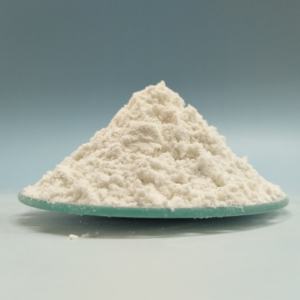
Hooked End Micro Steel Concrete Fiber Reinforced Concrete for Highway Guardrail Construction Materials

Glass Fiber Reinforced Plastic Profiles GRP FRP U Profiles Fiberglass C Channel
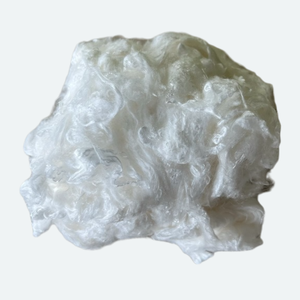
Concrete Construction Materials of Synthetic PVA Concrete Fiber for Cement Roofing Sheet
Sisal Concrete Fiber Eco Friendly Natural Sustainable Fiber with Raw Pattern for Concrete Filling
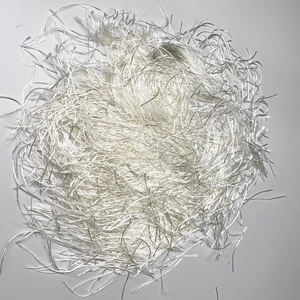
Concrete Used Twisted Wave PP Polypropylene Concrete Fiber 12mm CALFORCE PP Fiber for Concrete Reinforcement