Lightweight Concrete Additives | High-Performance Foaming Agents for Cellular Concrete


PRODUCT PARAMETERS
Description
Overview of Factory the crack resistance Polypropylene Fiber Concrete HPMC HEC CMC PVA
For high-impact resistance, we offer Steel Fibers, an ideal replacement for welded wire mesh in industrial floors and pre-cast elements. We also provide specialized Structural Synthetic Fibers that offer high tensile strength for demanding applications. These fibers are uniformly dispersed throughout the concrete mix, creating a multi-dimensional reinforcement network that traditional methods cannot achieve. This integrated approach simplifies construction, accelerates placement, and enhances the overall integrity and longevity of the concrete, providing a modern answer to age-old cracking and durability challenges.
Features of Factory the crack resistance Polypropylene Fiber Concrete HPMC HEC CMC PVA
1. Superior Crack Control and Enhanced Durability:
The primary feature of our fibers is their ability to bridge both micro-cracks that form during the plastic state and larger cracks in hardened concrete. This three-dimensional dispersion creates a more cohesive matrix that resists crack propagation. The direct benefit is a significant reduction in both plastic shrinkage cracking and long-term crack width. This leads to a much more durable concrete with lower permeability, which in turn enhances resistance to water ingress, freeze-thaw damage, and corrosion of any embedded steel. The result is a structure with a longer service life and reduced maintenance costs.
2. Increased Impact and Abrasion Resistance:
Fibers, particularly steel and robust synthetic macro fibers, dramatically improve the concrete’s toughness and post-crack performance. They absorb and distribute energy upon impact or loading. This feature provides the benefit of a more resilient surface that is less prone to spalling, chipping, and abrasion under heavy traffic or mechanical wear. This is a critical advantage for industrial floors, warehouse pavements, and infrastructure projects, leading to a harder-wearing surface that maintains its integrity over time.
3. Construction Efficiency and Cost Savings:
A key feature of using fiber reinforcement is the elimination of welded wire mesh (WWF) in many applications. This provides immense on-site benefits: it simplifies placement, as there is no mesh to be set up or potentially displaced, and it accelerates the entire construction process. By removing a labor-intensive step, projects see reduced labor costs and faster project timelines. The uniform distribution of fibers also ensures consistent reinforcement throughout the entire concrete section, unlike mesh, which can be improperly placed, leading to more reliable and predictable performance.

Specification of Factory the crack resistance Polypropylene Fiber Concrete HPMC HEC CMC PVA
Manufacturing Facility Requirements: Crack-Resistance Polypropylene Fiber Concrete Additives
Product Introduction
Our factory produces premium ingredients for concrete that assist quit cracks from creating. These consist of polypropylene (PP) fibers, HPMC (hydroxypropyl methylcellulose), HEC (hydroxyethyl cellulose), CMC (carboxymethyl cellulose), and PVA (polyvinyl alcohol) fibers. Each material is made to rigorous top quality requirements and works well in contemporary building.
Key Includes
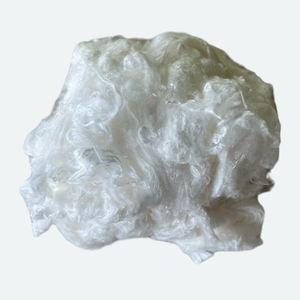
Polypropylene fibers are blended right into concrete to control shrinkage and reduce cracking. They do not corrosion and bond well with concrete. HPMC improves workability and keeps water in the mix much longer, which aids curing. HEC adds thickness and makes the mix simpler to handle. CMC boosts water retention and supports the combination. PVA fibers offer high tensile toughness and boost strength. All these additives work with common concrete mixes and meet worldwide performance requirements.
Technical Details
– PP Fiber : Length 6– 19 mm, size 18– 40 microns, tensile stamina ≥ 350 MPa
– HPMC : Thickness 400– 100,000 mPa · s, ash material ≤ 5%, pH 7– 9.
– HEC : Viscosity 300– 80,000 mPa · s, substitution level 1.8– 2.0.
– CMC : Degree of alternative 0.7– 1.2, pureness ≥ 99.5%.
– PVA Fiber : Size 6– 12 mm, excellence 1.5– 20 denier, elongation at break 6– 15%.
Use Standards
Include PP or PVA fibers throughout the blending stage. Use HPMC, HEC, or CMC as dry powders or pre-dissolved solutions. Dosage relies on the application yet typically ranges from 0.1% to 1.0% by weight of cement. Constantly adhere to neighborhood building codes and conduct test batches before full-blown use. Shop all items in a cool, dry place away from moisture.
Applications of Factory the crack resistance Polypropylene Fiber Concrete HPMC HEC CMC PVA
Applications of Crack-Resistant Polypropylene Fiber Concrete with HPMC, HEC, CMC, and PVA
Stronger Concrete for Challenging Problems
Polypropylene fiber concrete mixed with HPMC (Hydroxypropyl Methylcellulose), HEC (Hydroxyethyl Cellulose), CMC (Carboxymethyl Cellulose), and PVA (Polyvinyl Alcohol) supplies exceptional split resistance. This mix jobs well in numerous building setups where resilience matters most.
Contractors utilize this type of concrete in commercial floors, warehouse pieces, and auto parking frameworks. These places encounter hefty lots, constant traffic, and temperature changes. The fibers quit tiny fractures from growing. The ingredients help hold water in the mix, which improves workability and lowers contraction.
Better Efficiency in Harsh Settings
Roads, bridges, and passages likewise take advantage of this innovative concrete. Rainfall, freeze-thaw cycles, and chemical direct exposure can deteriorate normal concrete gradually. Adding polypropylene fibers along with HPMC, HEC, CMC, or PVA makes the product more flexible and less likely to break under stress. This indicates fewer fixings and longer service life.
Reputable for Precast and Shotcrete Job
Precast concrete components like panels, pipelines, and blocks gain extra toughness when made with this mix. The fibers spread out evenly via the set, giving uniform stamina. In shotcrete applications– such as incline stablizing or below ground cellular linings– the mix aids the wet mix stick better to surface areas and withstand very early breaking.
The cellulose ethers (HPMC, HEC, CMC) control water retention and setup time. PVA adds tensile strength and bonds well with cement. Together, they support the polypropylene fibers in producing a thick, resistant matrix that takes care of influence and movement consistently.
This crack-resistant concrete fulfills contemporary demands for safety and security, effectiveness, and low upkeep throughout property, industrial, and facilities tasks.
Company Introduction
Welcome to Concrete and More, a leading provider of high-performance concrete admixtures, including our premium concrete water reducers. With years of experience in the global market, we offer advanced solutions designed to enhance the quality and efficiency of construction projects worldwide. Our state-of-the-art manufacturing facilities ensure top-quality products that meet international standards. We pride ourselves on exceptional customer service, technical support, and tailored solutions to meet specific project needs. Partner with us for reliable, innovative, and cost-effective concrete admixtures that drive your projects forward. Explore more at www.concreteandmore.de/. Let’s build the future together!
If you have any questions, please feel free to contact us.
Payment Methods
T/T, Western Union, Paypal, Credit Card etc.
Shipment Methods
By air, by sea, by express, as customers request.
5 FAQs of Factory the crack resistance Polypropylene Fiber Concrete HPMC HEC CMC PVA
Frequently Asked Questions
What is crack resistance polypropylene fiber concrete?
It is regular concrete mixed with special polypropylene fibers. These fibers help stop small cracks from forming as the concrete dries or shrinks. The result is stronger, more durable concrete that lasts longer under stress.
Why add HPMC, HEC, or CMC to concrete?
HPMC, HEC, and CMC are water-soluble additives. They improve how the concrete mix holds water. This helps the cement hydrate better. Better hydration means fewer weak spots and less cracking over time. These additives also make the mix easier to work with during pouring and finishing.
What role does PVA fiber play in this mix?
PVA (polyvinyl alcohol) fiber adds extra toughness. It bonds well with cement and resists breaking under pressure. When used with polypropylene fibers, it gives the concrete better impact resistance and flexibility. This combo works well in floors, walls, and precast parts.
Can I use this mix for outdoor projects?
Yes. The fibers and additives help the concrete handle temperature changes and moisture better. That makes it suitable for driveways, sidewalks, and other outdoor uses. Just follow proper curing steps to get the best results.
How do I mix these materials correctly?
Start by adding the dry fibers to the sand and cement. Mix them well before adding water. Then slowly add water with dissolved HPMC, HEC, or CMC. Keep mixing until the blend looks even and smooth. Do not add too much water—it can weaken the final product. Always follow the supplier’s instructions for exact ratios.
REQUEST A QUOTE
RELATED PRODUCTS
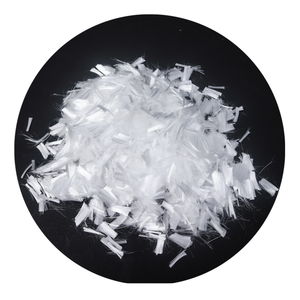
Whole Durable Industrial Building Flat Stainless Steel Concrete Fiber Reinforced Concrete Material

Factory Direct Hot ing Reinforced Concrete Steel Concrete Fiber for Industrial Floor
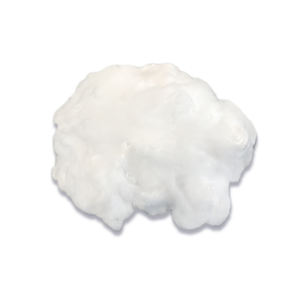
High quality end hook monofilament steel fiber is used to reinforce concrete for floor construction

Cracking-Resistance Reinforced 6mm PP Cement Fiber for Concrete Wall
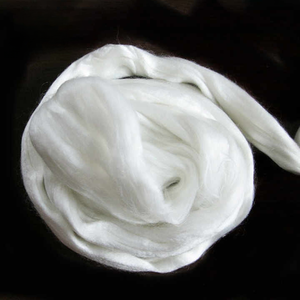
Yusen Steel Fiber Concrete Reinforced Endhooked Glued Hooked End Loose Waved Carbon Steel For Shotcrete
