Lightweight Concrete Additives | High-Performance Foaming Agents for Cellular Concrete


PRODUCT PARAMETERS
Description
Introduction to Chemical Auxiliary Agent Hydroxypropyl Methyl Cellulose HPMC Chemical Hydroxy Propyl Methyl Cellulose
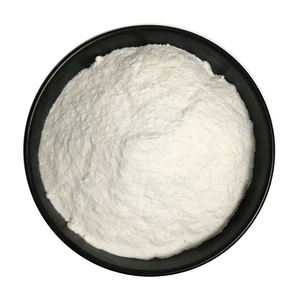
Hydroxypropyl Methylcellulose (HPMC), whose Chinese name is hydroxypropyl methylcellulose, is a semi-synthetic, non-ionic cellulose ether obtained by chemically modifying natural cellulose. This white powder can form a transparent viscous solution after dissolving in water. It has excellent thickening, water retention, stability and film-forming properties. It is an indispensable multifunctional additive in many fields such as construction.
Characteristics and advantages of Chemical Auxiliary Agent Hydroxypropyl Methyl Cellulose HPMC Chemical Hydroxy Propyl Methyl Cellulose
Excellent water solubility: It can be quickly dissolved in cold water to form a clear and stable solution.
Efficient thickening and water retention ability: Increase the viscosity of the material, effectively reduce water evaporation, and improve work efficiency.
Good stability: It has good stability to acids, alkalis, and salts, and is suitable for a wide range of pH values.
Film-forming and protective effects: After drying, it forms a tough and transparent film to protect the substrate and prevent water penetration and evaporation.
Non-toxic and non-irritating: It has good biocompatibility and is suitable for the fields of medicine and food.
Adjustability: By changing the degree of substitution and molecular weight, its performance can be adjusted to meet different application requirements.

Specifications of Chemical Auxiliary Agent Hydroxypropyl Methyl Cellulose HPMC Chemical Hydroxy Propyl Methyl Cellulose
Hydroxypropyl Methyl Cellulose (HPMC)– Item Specs
Fundamental Info
Chemical Name: Hydroxypropyl Methyl Cellulose
CAS Number: 9004-65-3
Molecular Formula: C8H15O5— [C6H7O2( OCH3)x( OCH2CHOHCH3)y( OH)3 − x − y] n
Look: White to off-white, free-flowing powder
Solubility: Soluble in cold water; forms a clear to slightly opalescent viscous remedy. Insoluble in hot water, ethanol, ether, and the majority of organic solvents.
Key Performance Quality
HPMC is a non-ionic cellulose ether made from all-natural cellulose. It functions well as a thickener, binder, movie former, and water-retention agent. The item reveals steady performance throughout a vast pH range (3– 11). It does not respond with a lot of salts or other typical additives utilized in commercial solutions.
Normal Technical Data
Viscosity (2% solution at 20 ° C): 4,000– 100,000 mPa · s (varies by quality).
Methoxy Material: 19– 30%.
Hydroxypropyl Content: 4– 32%.
Moisture Content: ≤ 5%.
Ash Material: ≤ 1.5%.
pH Value (2% service): 4.0– 8.0.
Gel Temperature: 50– 90 ° C (relies on substitution degrees).
Storage space and Handling
Shop HPMC in a cool, completely dry location far from dampness. Maintain containers tightly shut. The shelf life is 24 months when kept correctly. Prevent contact with strong oxidizing agents. Usage standard commercial health techniques during handling. Wear handwear covers and eye defense if prolonged exposure is anticipated.
Applications of Chemical Auxiliary Agent Hydroxypropyl Methyl Cellulose HPMC Chemical Hydroxy Propyl Methyl Cellulose
Applications of Hydroxypropyl Methyl Cellulose (HPMC)
Building and Building
Hydroxypropyl methyl cellulose (HPMC) is extensively utilized in building and construction materials. It enhances workability and water retention in cement-based items like floor tile adhesives, plasters, and self-leveling compounds. This assists employees apply the material more conveniently and ensures correct healing. HPMC additionally reduces drooping on vertical surfaces and stops splits throughout drying.
Pharmaceuticals
In medication, HPMC works as a vital ingredient in tablets and capsules. It works as a binder that holds energetic ingredients together. It also works as a controlled-release agent, aiding medicines liquify slowly in the body for constant effects. Eye drops commonly contain HPMC as well– it simulates all-natural splits and relieves dry eyes without triggering irritability.
Food Industry
HPMC is authorized as a preservative under the code E464. It enlarges sauces, stabilizes foams, and maintains moisture in baked products. You’ll locate it in gluten-free products where it changes the binding residential or commercial properties of wheat. It gives texture and structure without modifying preference or odor.
Paints and Coatings
Paint manufacturers include HPMC to water-based paints to improve uniformity and application. It quits pigments from working out and helps the paint spread evenly on wall surfaces. The movie formed after drying out keeps smooth and resists breaking. HPMC also increases service life by maintaining the combination secure with time.
Cosmetics and Personal Care
Numerous creams, hair shampoos, and creams use HPMC as a thickener and emulsifier. It provides products a rich feel and assists energetic components stay blended. Due to the fact that it’s mild on skin and non-toxic, it’s risk-free for daily usage in rinse-off and leave-on solutions alike.
Company Profile
We are the global leader in lightweight concrete and advanced engineered foam solutions. Known globally for its commitment to research, innovation, and applied expertise, we have been providing engineered foam solutions since the early 2012’s.
We can supply high-quality concrete admixture and foam concrete related products all over the world.
The company has a professional technical department and quality supervision department, a well-equipped laboratory, and equipped with advanced testing equipment and after-sales customer service center.
If you are interested, please feel free and contact us.
Payment
T/T, Western Union, Paypal, Credit Card etc.
Shipment
By air, by sea, by express, as customers request.
5 FAQs of Chemical Auxiliary Agent Hydroxypropyl Methyl Cellulose HPMC Chemical Hydroxy Propyl Methyl Cellulose
Frequently Asked Questions About Hydroxypropyl Methyl Cellulose (HPMC)
What is HPMC used for?
HPMC is a common chemical auxiliary agent. It works as a thickener, binder, and film-former. You will find it in construction materials like tile adhesives and plasters. It is also used in pharmaceuticals, food products, and personal care items.
Is HPMC safe to use?
Yes, HPMC is considered safe when used as directed. It has approval from major health and safety agencies. In food and medicine, it passes through the body without being absorbed. Always follow safety instructions on the product label.
How does HPMC improve construction materials?
HPMC helps retain water in cement-based mixes. This gives workers more time to work with the material before it sets. It also boosts adhesion and prevents sagging on vertical surfaces. The result is a smoother finish and stronger bond.
Can HPMC dissolve in cold water?
Yes, most grades of HPMC dissolve easily in cold water. They do not need heat to mix well. Stirring helps it disperse evenly. Avoid clumping by adding HPMC slowly to water while mixing.
What makes HPMC different from other cellulose ethers?
HPMC offers balanced performance in water retention, workability, and stability. It works well across a range of temperatures and pH levels. Other cellulose ethers may lack this balance or require special handling. HPMC is also non-ionic, so it mixes well with many other ingredients without reacting.
REQUEST A QUOTE
RELATED PRODUCTS

Ruyuan Chemical Gypsum Additive Hydroxypropyl Methyl Cellulose HPMC Cement Additives

Cellulose HPMC for cement

Daily chemical products, raw materials, detergents, additives, thickeners, white powder, 200000 viscosity hpmc

HydroxyPropyl Methyl Cellulose HPMC industrial grade Chemical Raw Material for Cement Thickening
Factory Whole Construction Hydroxypropyl Methyl Cellulose HPMC Capsules Chemical Thickening Additives
