Lightweight Concrete Additives | High-Performance Foaming Agents for Cellular Concrete


PRODUCT PARAMETERS
Description
Introduction to Hydroxypropyl Methyl Cellulose HPMC for Dry Mix Mortar
Hydroxypropyl Methylcellulose (HPMC), whose Chinese name is hydroxypropyl methylcellulose, is a semi-synthetic, non-ionic cellulose ether obtained by chemically modifying natural cellulose. This white powder can form a transparent viscous solution after dissolving in water. It has excellent thickening, water retention, stability and film-forming properties. It is an indispensable multifunctional additive in many fields such as construction.
Characteristics and advantages of Hydroxypropyl Methyl Cellulose HPMC for Dry Mix Mortar
Excellent water solubility: It can be quickly dissolved in cold water to form a clear and stable solution.
Efficient thickening and water retention ability: Increase the viscosity of the material, effectively reduce water evaporation, and improve work efficiency.
Good stability: It has good stability to acids, alkalis, and salts, and is suitable for a wide range of pH values.
Film-forming and protective effects: After drying, it forms a tough and transparent film to protect the substrate and prevent water penetration and evaporation.
Non-toxic and non-irritating: It has good biocompatibility and is suitable for the fields of medicine and food.
Adjustability: By changing the degree of substitution and molecular weight, its performance can be adjusted to meet different application requirements.

Specifications of Hydroxypropyl Methyl Cellulose HPMC for Dry Mix Mortar
Requirements of Hydroxypropyl Methyl Cellulose (HPMC) for Dry Mix Mortar
Appearance and Physical Type
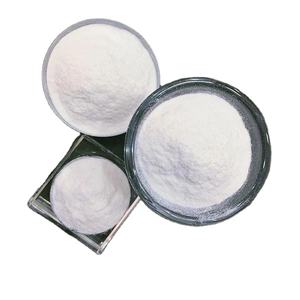
HPMC appears as a white or beige free-flowing powder. It has no visible lumps and dissolves conveniently in chilly water to create a clear, thick option.
Chemical Structure
This item is a non-ionic cellulose ether derived from natural cellulose. It consists of hydroxypropyl and methyl useful teams. The regular methoxy web content varies from 19% to 30%, while the hydroxypropyl web content drops in between 4% and 12%.
Thickness
Thickness is measured at a 2% aqueous service at 20 ° C. Common grades used in dry mix mortar consist of 4,000 mPa · s, 15,000 mPa · s, 40,000 mPa · s, and 60,000 mPa · s. Higher viscosity improves water retention and workability.
Water Retention
Water retention is a crucial performance indicator. HPMC aids maintain water in the mortar mix during application and treating. This protects against early drying and supports correct cement hydration. Typical water retention values surpass 90% under basic examination problems.
pH Value
The pH of a 2% HPMC service generally remains in between 6.0 and 8.0. This neutral array ensures compatibility with common cementitious products and prevents adverse chemical reactions.
Purity and Ash Content
HPMC for completely dry mix mortar fulfills high purity criteria. Ash content after incineration at 600 ° C is normally listed below 5%. Reduced ash web content indicates minimal not natural contaminations.
Bit Size
A lot of business qualities go through a 80-mesh filter (180 microns). Great fragment dimension ensures quick diffusion and consistent blending in dry blends.
Dampness Material
Dampness levels are kept under 5% to maintain flowability and avoid caking during storage. Low wetness likewise expands life span and supports constant efficiency on website.

Applications of Hydroxypropyl Methyl Cellulose HPMC for Dry Mix Mortar
Applications of Hydroxypropyl Methyl Cellulose (HPMC) in Dry Mix Mortar
Enhanced Workability and Water Retention
Hydroxypropyl Methyl Cellulose (HPMC) plays an essential duty in dry mix mortar formulas. It assists the mortar maintain water much longer throughout application. Excellent water retention suggests cement can moisturize properly, which brings about stronger end products. Without enough water retention, the mortar may dry too fast, particularly on porous or warm surfaces, creating poor adhesion and breaking.
Much Better Consistency and Handling
HPMC gives mortar a smooth, uniform structure. Employees locate it less complicated to spread out and form. The material stays convenient for a longer time, minimizing waste and revamp. This consistency likewise aids achieve even protection on walls and floorings, which improves general finish top quality.
Boosted Adhesion and Stamina
Including HPMC enhances the bond between the mortar and the base surface. This is very important for floor tile adhesives, plasters, and makes. Strong attachment protects against ceramic tiles from falling off or layers from peeling off away over time. While HPMC itself is not a binder, it sustains the concrete’s efficiency by controlling water movement and enhancing contact with the substrate.
Decreased Droop and Depression
When applied vertically, mortar should withstand gliding down. HPMC offers just enough density to hold the mix in location without making it too tight. This anti-sag property is crucial for wall surface makes and thick-bed tile installments. Specialists can use thicker layers in one go, saving time and labor.
Compatibility and Stability
HPMC works well with various other typical additives like redispersible polymer powders, starch ethers, and defoamers. It remains secure during storage space and does not shed performance in time if maintained completely dry. This reliability makes it a relied on selection in factory-made dry mortars worldwide.
Company Profile
We are the global leader in lightweight concrete and advanced engineered foam solutions. Known globally for its commitment to research, innovation, and applied expertise, we have been providing engineered foam solutions since the early 2012’s.
We can supply high-quality concrete admixture and foam concrete related products all over the world.
The company has a professional technical department and quality supervision department, a well-equipped laboratory, and equipped with advanced testing equipment and after-sales customer service center.
If you are interested, please feel free and contact us.
Payment
T/T, Western Union, Paypal, Credit Card etc.
Shipment
By air, by sea, by express, as customers request.
5 FAQs of Hydroxypropyl Methyl Cellulose HPMC for Dry Mix Mortar
Frequently Asked Questions About HPMC for Dry Mix Mortar
What is HPMC and why is it used in dry mix mortar?
HPMC stands for Hydroxypropyl Methyl Cellulose. It is a white powder made from natural cellulose. Builders add it to dry mix mortars like tile adhesives, plasters, and renders. HPMC helps the mix hold water better. This improves workability and makes the mortar easier to spread. It also stops the mixture from drying too fast.
How does HPMC improve workability?
HPMC acts like a thickener. When you mix it with water, it becomes sticky and smooth. This lets workers apply the mortar evenly without it sliding off walls or tiles. The material stays soft longer, giving more time to adjust and fix mistakes during application.
Does HPMC affect the strength of the mortar?
HPMC itself does not add strength. But it helps the cement hydrate properly by keeping enough water in the mix. Good hydration means stronger final results. Too much HPMC can weaken the mix, so the right amount must be used.
Can HPMC prevent cracking?
Yes. HPMC reduces water loss, especially on hot or windy days. Fast drying often causes cracks. With HPMC, the mortar dries slowly and evenly. This lowers the risk of shrinkage and surface cracks.
Is HPMC safe and easy to use?
HPMC is non-toxic and widely approved for construction use. It mixes easily into dry blends. Just follow the recommended dosage from your supplier. Store it in a cool, dry place to keep its quality stable over time.
REQUEST A QUOTE
RELATED PRODUCTS

Chemical Tile Adhesive 200000 MPAS Hydroxypropyl Methyl Cellulose Powder Ether HPMC for Putty
High Viscosity Hydroxypropyl Methyl Cellulose HPMC for Internal and External Coating Mortar Additives

ruyuan Chemicalvae HPMC cellulose powder High Viscosity hydroxypropyl methyl cellulose HPMC used in construction
HPMC chemicals powder coating paint dry mixed mortar raw materials Hpmc Powder
Factory Hydroxypropyl Methyl Cellulose HPMC Cellulose Ether for Skim Coating