Lightweight Concrete Additives | High-Performance Foaming Agents for Cellular Concrete

PRODUCT PARAMETERS
Description
Overview of High Performance GFRP Fiberglass Bar Glass Concrete Fiber Rebar
For high-impact resistance, we offer Steel Fibers, an ideal replacement for welded wire mesh in industrial floors and pre-cast elements. We also provide specialized Structural Synthetic Fibers that offer high tensile strength for demanding applications. These fibers are uniformly dispersed throughout the concrete mix, creating a multi-dimensional reinforcement network that traditional methods cannot achieve. This integrated approach simplifies construction, accelerates placement, and enhances the overall integrity and longevity of the concrete, providing a modern answer to age-old cracking and durability challenges.
Features of High Performance GFRP Fiberglass Bar Glass Concrete Fiber Rebar
1. Superior Crack Control and Enhanced Durability:
The primary feature of our fibers is their ability to bridge both micro-cracks that form during the plastic state and larger cracks in hardened concrete. This three-dimensional dispersion creates a more cohesive matrix that resists crack propagation. The direct benefit is a significant reduction in both plastic shrinkage cracking and long-term crack width. This leads to a much more durable concrete with lower permeability, which in turn enhances resistance to water ingress, freeze-thaw damage, and corrosion of any embedded steel. The result is a structure with a longer service life and reduced maintenance costs.
2. Increased Impact and Abrasion Resistance:
Fibers, particularly steel and robust synthetic macro fibers, dramatically improve the concrete’s toughness and post-crack performance. They absorb and distribute energy upon impact or loading. This feature provides the benefit of a more resilient surface that is less prone to spalling, chipping, and abrasion under heavy traffic or mechanical wear. This is a critical advantage for industrial floors, warehouse pavements, and infrastructure projects, leading to a harder-wearing surface that maintains its integrity over time.
3. Construction Efficiency and Cost Savings:
A key feature of using fiber reinforcement is the elimination of welded wire mesh (WWF) in many applications. This provides immense on-site benefits: it simplifies placement, as there is no mesh to be set up or potentially displaced, and it accelerates the entire construction process. By removing a labor-intensive step, projects see reduced labor costs and faster project timelines. The uniform distribution of fibers also ensures consistent reinforcement throughout the entire concrete section, unlike mesh, which can be improperly placed, leading to more reliable and predictable performance.

Specification of High Performance GFRP Fiberglass Bar Glass Concrete Fiber Rebar
High-Performance GFRP Fiberglass Rebar– Strong, Lightweight, and Corrosion-Free
What It Is
GFRP fiberglass rebar is a modern-day option to typical steel reinforcement. Made from glass fibers and polymer resin, it provides high stamina without the weight or rust issues of metal. This product functions well in concrete frameworks where sturdiness and long life issue many.
Trick Includes
Corrosion resistance: Unlike steel, GFRP does not corrosion. It stays solid also in salty, damp, or chemically aggressive atmospheres like bridges, aquatic piers, and wastewater plants.
Light-weight: GFRP bars evaluate concerning one-quarter as long as steel. This makes them much easier to lug, cut, and mount– conserving time and labor on website.
High tensile stamina: These bars provide excellent drawing stamina, frequently stronger than conventional steel rebar by weight. They handle tension forces well in concrete applications.
Non-conductive: GFRP does not carry out electrical energy or warm. This makes it safe for usage near high-voltage line, delicate electronics, or MRI centers.
Magnetic nonpartisanship: The material won’t interfere with signals or attract steel detectors– ideal for security-sensitive or scientific buildings.
Technical Information and facts
GFRP rebar satisfies worldwide standards such as ASTM D7957 and ACI 440.6. It is available in common diameters from # 2 to # 10 (6 mm to 32 mm) and can be custom-cut to length. Surface area ribs guarantee solid bonding with concrete. The thermal expansion coefficient closely matches that of concrete, lowering splitting threats from temperature adjustments.
Where to Use It
Use GFRP rebar in parking lot, coastal structures, highways, tunnels, and any task subjected to de-icing salts or moisture. It’s likewise best for eco-friendly structure projects going for sustainability and decreased maintenance over time. Since it lasts longer without fixing, it reduces lifetime costs– also if the in advance price is a little higher than steel.

Applications of High Performance GFRP Fiberglass Bar Glass Concrete Fiber Rebar
Applications of High-Performance GFRP Fiberglass Rebar
Strong, Lightweight Support for Modern Building
High-performance GFRP (glass fiber-reinforced polymer) rebar provides a smart alternative to traditional steel support. It is made from glass fibers and a polymer resin, giving it excellent toughness without the weight or rust issues of steel.
Contractors use GFRP rebar in many sorts of jobs. It works well in bridges , especially where road salt or seawater can harm steel. Due to the fact that it does not corrosion, it aids frameworks last longer with less maintenance. Parking garages also benefit from this product. The consistent direct exposure to de-icing chemicals makes deterioration resistance essential.
Coastal and marine building counts greatly on GFRP rebar. Seawalls, piers, and offshore systems face rough, salty settings. Steel would weaken gradually, yet fiberglass remains solid and steady. Tunnels and below ground frameworks utilize it as well, where wetness and dirt chemicals threaten traditional rebar.
GFRP rebar is non-conductive and non-magnetic. This makes it suitable for sensitive centers like medical facilities with MRI machines, research laboratories, and power plants. It will not conflict with digital tools or signals.
The product is additionally much lighter than steel. Workers can lug and place it much more quickly, which speeds up building and reduces labor costs. Precast concrete aspects often consist of GFRP bars due to the fact that they simplify taking care of and reduce delivery weight.
One more advantage is its thermal performance. Unlike steel, GFRP does not perform heat well. This helps improve power effectiveness in buildings by minimizing thermal connecting with concrete wall surfaces and slabs.
From freeways to waterside growths, high-performance GFRP fiberglass rebar provides toughness, safety, and long-term value. Its special homes resolve issues that steel can not handle, making it a relied on selection for forward-thinking engineers and contractors.
Company Profile
We are the global leader in lightweight concrete and advanced engineered foam solutions. Known globally for its commitment to research, innovation, and applied expertise, we have been providing engineered foam solutions since the early 2012’s.
We can supply high-quality concrete admixture and foam concrete related products all over the world.
The company has a professional technical department and quality supervision department, a well-equipped laboratory, and equipped with advanced testing equipment and after-sales customer service center.
If you are interested, please feel free and contact us.
Payment
T/T, Western Union, Paypal, Credit Card etc.
Shipment
By air, by sea, by express, as customers request.

5 FAQs of High Performance GFRP Fiberglass Bar Glass Concrete Fiber Rebar
Frequently Asked Questions About High-Performance GFRP Fiberglass Rebar
What is GFRP rebar made of?
GFRP rebar is made from glass fibers and a polymer resin. The glass fibers give it strength. The resin holds everything together and protects it from damage. This mix makes the bar strong but light.
Why use GFRP instead of steel rebar?
GFRP does not rust. Steel can corrode when exposed to water or chemicals. This corrosion weakens structures over time. GFRP avoids this problem completely. It also weighs about one-fourth as much as steel, which makes handling and shipping easier.
Is GFRP rebar strong enough for construction?
Yes. GFRP has high tensile strength—often higher than standard steel rebar. It works well in concrete structures like bridges, parking garages, and marine projects. Engineers design with its properties in mind to ensure safety and performance.
Can GFRP be used in all types of concrete work?
It suits many applications, especially where corrosion is a concern. Examples include coastal buildings, wastewater plants, and roads treated with de-icing salts. However, it is not ideal for areas needing high heat resistance or where bending after installation is required. Always check local building codes first.
How does GFRP affect long-term project costs?
Upfront, GFRP may cost more than steel. But over time, it saves money. There’s no need for extra coatings or cathodic protection. Maintenance costs drop because the material lasts longer without rusting. Fewer repairs mean lower lifetime expenses.
REQUEST A QUOTE
RELATED PRODUCTS
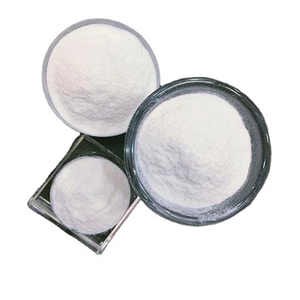
Hot Factory Direct Supply PP PE Synthetic Concrete Fiber for Concrete
Concrete Used Twisted Wave PP Polypropylene Concrete Fiber 12mm CALFORCE PP Fiber for Concrete Reinforcement

High Tensile Reinforced Concrete Metal Construction Copper Micro Steel Fiber Coated Hooked End Steel Fiber Metal Steel Fiber
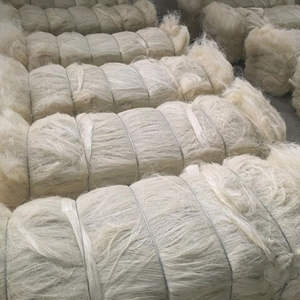
100% Polypropylene Engineering Fiber for Mortar Effective Aggregate Concrete Filling Material for Concrete Works

Polypropylene Synthetic Macro Fibers for Growth Concrete in Construction Chemicals