


Nā Pākuʻi Paʻa Māmā | Nā ʻĀpana Hoʻohuʻi Kiʻekiʻe no ka Kelepona Kelepona

NA PALAPALA HUA
wehewehe
Overview of High Performance GFRP Fiberglass Bar Glass Concrete Fiber Rebar
No ke kū'ē kiʻekiʻe, hāʻawi mākou i nā Fiber Steel, kahi mea hoʻololi kūpono no ka uwea welded mesh ma nā papahele ʻoihana a me nā mea hoʻolei mua. Hāʻawi pū mākou i nā Structural Synthetic Fibers kūikawā e hāʻawi ana i ka ikaika tensile kiʻekiʻe no nā noi noi.. Hoʻopuehu like ʻia kēia mau fiber i loko o ka hui ʻana, ka hoʻokumu ʻana i kahi pūnaewele hoʻoikaika nui i hiki ʻole ke hoʻokō i nā ʻano kuʻuna. Hoʻomaʻamaʻa kēia ʻano hoʻohui i ke kūkulu ʻana, hoʻokē hoʻokomo, a hoʻonui i ka pono holoʻokoʻa a me ka lōʻihi o ka lāʻau, hāʻawi ʻana i kahi pane hou i nā pilikia o ka wā kahiko a me ka lōʻihi.
Features of High Performance GFRP Fiberglass Bar Glass Concrete Fiber Rebar
1. ʻOi aku ka mana o ka māwae a me ka hoʻoikaika ʻana i ka lōʻihi:
ʻO ka hiʻohiʻona nui o kā mākou fibers ko lākou hiki ke hoʻopaʻa i nā micro-cracks ʻelua i hana ʻia i ka wā o ke kūlana plastik a me nā māwae nui aʻe i loko o ke koʻa paʻa.. Hoʻokumu kēia dispersion ʻekolu-dimensional i kahi matrix cohesive ʻoi aku ka pale ʻana i ka hoʻolaha ʻana. ʻO ka pōmaikaʻi pololei, he hōʻemi nui ia i ka ʻāʻī ʻana o ka plastic a me ka laula māwae lōʻihi. Ke alakaʻi nei kēia i ka ʻoi aku ka lōʻihi o ke koʻikoʻi me ka haʻahaʻa haʻahaʻa, ʻo ia ka mea e hoʻonui ai i ke kū'ē i ka wai komo, pōʻino hoʻoheheʻe, a me ka palahu o kekahi kila i hookomoia. ʻO ka hopena he hale me ka lōʻihi o ke ola lawelawe a hoʻemi ʻia nā kumukūʻai mālama.
2. Hoʻonui i ka hopena a me ka pale ʻana i ka abrasion:
Nā pulu, ʻoi aku ke kila a me nā fiber macro synthetic ikaika, hoʻomaikaʻi maikaʻi i ka paʻakikī o ke kaʻa a me ka hana ma hope o ka haki. Lawe lākou a puʻunaue i ka ikehu ma ka hopena a i ʻole ka hoʻouka ʻana. Hāʻawi kēia hiʻohiʻona i ka pōmaikaʻi o kahi ʻili kūpaʻa ʻoi aku ka liʻiliʻi o ka spalling, ʻokiʻoki, a me ka abrasion ma lalo o ke kaʻa nui a i ʻole ka lole mīkini. He waiwai koʻikoʻi kēia no nā papahele ʻoihana, hale kūʻai pavements, a me nā papahana hoʻolālā, e alakaʻi ana i kahi ʻili paʻakikī e mālama i kona kūpaʻa i ka manawa.
3. ʻO ka maikaʻi o ke kūkulu ʻana a me ka mālama kālā:
ʻO kahi hiʻohiʻona nui o ka hoʻohana ʻana i ka fiber reinforcement ʻo ka hoʻopau ʻana i ka uwea welded mesh (WWF) i nā noi he nui. Hāʻawi kēia i nā pōmaikaʻi nui ma ka pūnaewele: maʻalahi ka hoʻokomo, no ka mea, ʻaʻohe mesh e hoʻonohonoho ʻia a hiki ke hoʻoneʻe ʻia, a hoʻokēʻai i ke kaʻina hana holoʻokoʻa. Ma ka wehe ʻana i kahi hana koʻikoʻi, ʻike nā papahana i ka hōʻemi ʻana i nā kumukūʻai hana a me ka wikiwiki o ka manawa papahana. ʻO ka hāʻawi like ʻana o nā fibers e hōʻoiaʻiʻo i ka hoʻoikaika paʻa ʻana ma ka ʻāpana koneki holoʻokoʻa, like ole mesh, hiki ke waiho pono ole ia, alakaʻi i ka hana hilinaʻi a wānana.

Specification of High Performance GFRP Fiberglass Bar Glass Concrete Fiber Rebar
High-Performance GFRP Fiberglass Rebar– Ikaika, Māmā, and Corrosion-Free
He aha ia
GFRP fiberglass rebar is a modern-day option to typical steel reinforcement. Made from glass fibers and polymer resin, it provides high stamina without the weight or rust issues of metal. This product functions well in concrete frameworks where sturdiness and long life issue many.
Hoʻokomo ʻia ka hoʻopunipuni
ʻO ke kūpaʻa ʻino: ʻAʻole like me ke kila, GFRP does not corrosion. It stays solid also in salty, damp, or chemically aggressive atmospheres like bridges, ʻauwaʻa wai, and wastewater plants.
Māmā-kaumaha: GFRP bars evaluate concerning one-quarter as long as steel. This makes them much easier to lug, ʻoki, a mauna– conserving time and labor on website.
Kiʻekiʻe tensile stamina: These bars provide excellent drawing stamina, frequently stronger than conventional steel rebar by weight. They handle tension forces well in concrete applications.
ʻAʻole-conductive: GFRP does not carry out electrical energy or warm. This makes it safe for usage near high-voltage line, delicate electronics, or MRI centers.
Magnetic nonpartisanship: The material won’t interfere with signals or attract steel detectors– ideal for security-sensitive or scientific buildings.
ʻIke loea a me nā ʻike
GFRP rebar satisfies worldwide standards such as ASTM D7957 and ACI 440.6. It is available in common diameters from # 2 i # 10 (6 mm i 32 mm) and can be custom-cut to length. Surface area ribs guarantee solid bonding with concrete. The thermal expansion coefficient closely matches that of concrete, lowering splitting threats from temperature adjustments.
Kahi e hoʻohana ai
Use GFRP rebar in parking lot, coastal structures, nā alanui, tunnels, and any task subjected to de-icing salts or moisture. It’s likewise best for eco-friendly structure projects going for sustainability and decreased maintenance over time. Since it lasts longer without fixing, it reduces lifetime costs– also if the in advance price is a little higher than steel.

Applications of High Performance GFRP Fiberglass Bar Glass Concrete Fiber Rebar
Applications of High-Performance GFRP Fiberglass Rebar
Ikaika, Lightweight Support for Modern Building
GFRP hana kiʻekiʻe (glass fiber-reinforced polymer) rebar provides a smart alternative to traditional steel support. It is made from glass fibers and a polymer resin, giving it excellent toughness without the weight or rust issues of steel.
Contractors use GFRP rebar in many sorts of jobs. It works well in bridges , especially where road salt or seawater can harm steel. Due to the fact that it does not corrosion, it aids frameworks last longer with less maintenance. Parking garages also benefit from this product. The consistent direct exposure to de-icing chemicals makes deterioration resistance essential.
Coastal and marine building counts greatly on GFRP rebar. Seawalls, piers, and offshore systems face rough, salty settings. Steel would weaken gradually, yet fiberglass remains solid and steady. Tunnels and below ground frameworks utilize it as well, where wetness and dirt chemicals threaten traditional rebar.
GFRP rebar is non-conductive and non-magnetic. This makes it suitable for sensitive centers like medical facilities with MRI machines, research laboratories, and power plants. It will not conflict with digital tools or signals.
The product is additionally much lighter than steel. Workers can lug and place it much more quickly, which speeds up building and reduces labor costs. Precast concrete aspects often consist of GFRP bars due to the fact that they simplify taking care of and reduce delivery weight.
One more advantage is its thermal performance. ʻAʻole like me ke kila, GFRP does not perform heat well. This helps improve power effectiveness in buildings by minimizing thermal connecting with concrete wall surfaces and slabs.
From freeways to waterside growths, high-performance GFRP fiberglass rebar provides toughness, palekana, and long-term value. Its special homes resolve issues that steel can not handle, making it a relied on selection for forward-thinking engineers and contractors.
ʻO ka moʻolelo o ka hui
ʻO mākou ke alakaʻi o ka honua i nā ʻenehana māmā a me nā hoʻonā ʻenehana i hana ʻia. ʻIke ʻia ma ka honua holoʻokoʻa no kāna kūpaʻa i ka noiʻi, mea hou, a me ka ʻike noiʻi, ke hāʻawi nei mākou i nā hoʻonā ʻenehana i hana ʻia mai ka makahiki 2012.
Hiki iā mākou ke hāʻawi aku i ka hoʻohui ʻana i nā mea hoʻohui kiʻekiʻe kiʻekiʻe a me nā huahana pili i ka foam concrete a puni ka honua.
He keʻena ʻenehana ʻoihana a me ka ʻoihana kiaʻi maikaʻi ka hui, he hale hana i hoolako pono ia, a hoʻolako ʻia me nā lako hoʻāʻo kiʻekiʻe a me ke kikowaena lawelawe mea kūʻai aku ma hope o ke kūʻai aku.
Inā hoihoi ʻoe, e ʻoluʻolu a e hoʻokaʻaʻike mai iā mākou.
Uku
T/T, Hui Komohana, Paypal, Kāleka ʻaiʻē etc.
Hoʻouna
Ma ka lewa, ma ke kai, ma ka hoike, e like me ke noi a nā mea kūʻai aku.

5 FAQs of High Performance GFRP Fiberglass Bar Glass Concrete Fiber Rebar
Frequently Asked Questions About High-Performance GFRP Fiberglass Rebar
What is GFRP rebar made of?
GFRP rebar is made from glass fibers and a polymer resin. Hāʻawi nā fiber aniani i ka ikaika. The resin holds everything together and protects it from damage. This mix makes the bar strong but light.
Why use GFRP instead of steel rebar?
GFRP does not rust. Hiki ke ʻino ke kila ke ʻike ʻia i ka wai a i ʻole nā mea kemika. This corrosion weakens structures over time. GFRP avoids this problem completely. It also weighs about one-fourth as much as steel, which makes handling and shipping easier.
Is GFRP rebar strong enough for construction?
ʻAe. GFRP has high tensile strength—often higher than standard steel rebar. It works well in concrete structures like bridges, hale kaʻa kaʻa, and marine projects. Engineers design with its properties in mind to ensure safety and performance.
Can GFRP be used in all types of concrete work?
It suits many applications, especially where corrosion is a concern. Examples include coastal buildings, mea kanu wai ʻino, and roads treated with de-icing salts. Eia naʻe, it is not ideal for areas needing high heat resistance or where bending after installation is required. Always check local building codes first.
How does GFRP affect long-term project costs?
Upfront, GFRP may cost more than steel. But over time, it saves money. There’s no need for extra coatings or cathodic protection. Maintenance costs drop because the material lasts longer without rusting. Fewer repairs mean lower lifetime expenses.
NOI I KA PALAPALA
NA HUAKAI PILI
Cheap Construction Building Material 9mm 12mm 19mm PP Yarn PP Fiber for Reinforced Concrete Fibers
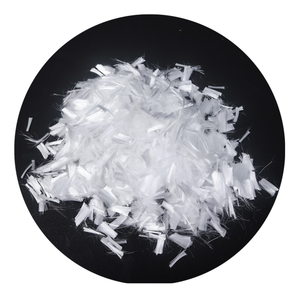
Kiʻekiʻe ikaika anti-cracking pp staple fiber 3-12mm polypropylene fiberconcrete mortar admixture no ka hamo maloʻo maloʻo.
Whole Fiberglass Roving for Glass Fiber Reinforced Concrete Panel AR Fiberglass Chopped Strands

Hana ʻia ʻo Fiberglass Marker FRP Sign Post Smooth Finish E Glass Industrial Construction
nā pulu kila no ka hoʻoikaika ʻana i ke kaʻa
