


Nā Pākuʻi Paʻa Māmā | Nā ʻĀpana Hoʻohuʻi Kiʻekiʻe no ka Kelepona Kelepona

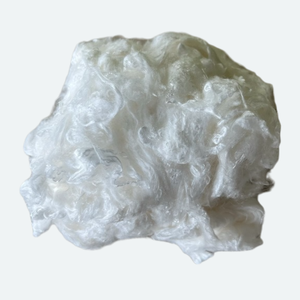
NA PALAPALA HUA
wehewehe
Overview of Whole Fiberglass Roving for Glass Fiber Reinforced Concrete Panel AR Fiberglass Chopped Strands
No ke kū'ē kiʻekiʻe, hāʻawi mākou i nā Fiber Steel, kahi mea hoʻololi kūpono no ka uwea welded mesh ma nā papahele ʻoihana a me nā mea hoʻolei mua. Hāʻawi pū mākou i nā Structural Synthetic Fibers kūikawā e hāʻawi ana i ka ikaika tensile kiʻekiʻe no nā noi noi.. Hoʻopuehu like ʻia kēia mau fiber i loko o ka hui ʻana, ka hoʻokumu ʻana i kahi pūnaewele hoʻoikaika nui i hiki ʻole ke hoʻokō i nā ʻano kuʻuna. Hoʻomaʻamaʻa kēia ʻano hoʻohui i ke kūkulu ʻana, hoʻokē hoʻokomo, a hoʻonui i ka pono holoʻokoʻa a me ka lōʻihi o ka lāʻau, hāʻawi ʻana i kahi pane hou i nā pilikia o ka wā kahiko a me ka lōʻihi.
Features of Whole Fiberglass Roving for Glass Fiber Reinforced Concrete Panel AR Fiberglass Chopped Strands
1. ʻOi aku ka mana o ka māwae a me ka hoʻoikaika ʻana i ka lōʻihi:
ʻO ka hiʻohiʻona nui o kā mākou fibers ko lākou hiki ke hoʻopaʻa i nā micro-cracks ʻelua i hana ʻia i ka wā o ke kūlana plastik a me nā māwae nui aʻe i loko o ke koʻa paʻa.. Hoʻokumu kēia dispersion ʻekolu-dimensional i kahi matrix cohesive ʻoi aku ka pale ʻana i ka hoʻolaha ʻana. ʻO ka pōmaikaʻi pololei, he hōʻemi nui ia i ka ʻāʻī ʻana o ka plastic a me ka laula māwae lōʻihi. Ke alakaʻi nei kēia i ka ʻoi aku ka lōʻihi o ke koʻikoʻi me ka haʻahaʻa haʻahaʻa, ʻo ia ka mea e hoʻonui ai i ke kū'ē i ka wai komo, pōʻino hoʻoheheʻe, a me ka palahu o kekahi kila i hookomoia. ʻO ka hopena he hale me ka lōʻihi o ke ola lawelawe a hoʻemi ʻia nā kumukūʻai mālama.
2. Hoʻonui i ka hopena a me ka pale ʻana i ka abrasion:
Nā pulu, ʻoi aku ke kila a me nā fiber macro synthetic ikaika, hoʻomaikaʻi maikaʻi i ka paʻakikī o ke kaʻa a me ka hana ma hope o ka haki. Lawe lākou a puʻunaue i ka ikehu ma ka hopena a i ʻole ka hoʻouka ʻana. Hāʻawi kēia hiʻohiʻona i ka pōmaikaʻi o kahi ʻili kūpaʻa ʻoi aku ka liʻiliʻi o ka spalling, ʻokiʻoki, a me ka abrasion ma lalo o ke kaʻa nui a i ʻole ka lole mīkini. He waiwai koʻikoʻi kēia no nā papahele ʻoihana, hale kūʻai pavements, a me nā papahana hoʻolālā, e alakaʻi ana i kahi ʻili paʻakikī e mālama i kona kūpaʻa i ka manawa.
3. ʻO ka maikaʻi o ke kūkulu ʻana a me ka mālama kālā:
ʻO kahi hiʻohiʻona nui o ka hoʻohana ʻana i ka fiber reinforcement ʻo ka hoʻopau ʻana i ka uwea welded mesh (WWF) i nā noi he nui. Hāʻawi kēia i nā pōmaikaʻi nui ma ka pūnaewele: maʻalahi ka hoʻokomo, no ka mea, ʻaʻohe mesh e hoʻonohonoho ʻia a hiki ke hoʻoneʻe ʻia, a hoʻokēʻai i ke kaʻina hana holoʻokoʻa. Ma ka wehe ʻana i kahi hana koʻikoʻi, ʻike nā papahana i ka hōʻemi ʻana i nā kumukūʻai hana a me ka wikiwiki o ka manawa papahana. ʻO ka hāʻawi like ʻana o nā fibers e hōʻoiaʻiʻo i ka hoʻoikaika paʻa ʻana ma ka ʻāpana koneki holoʻokoʻa, like ole mesh, hiki ke waiho pono ole ia, alakaʻi i ka hana hilinaʻi a wānana.

Specification of Whole Fiberglass Roving for Glass Fiber Reinforced Concrete Panel AR Fiberglass Chopped Strands
Whole Fiberglass Roving for GRC Panels– AR Fiberglass Chopped Strands
Hoʻolauna Huahana
This product is alkali-resistant (AR) fiberglass cut strands made from entire fiberglass roaming. It is particularly developed for use in glass fiber strengthened concrete (GRC) nā panela. The hairs offer solid bonding with cement, exceptional dispersion, and constant efficiency in wet-cast or spray-up applications.
Nā mea nui
The cut strands are generated making use of high-grade E-CR glass fibers. These fibers stand up to damage from the high alkalinity of Rose city cement. Each hair has an uniform size and size, which aids guarantee even distribution throughout the concrete mix. The surface is treated with a special sizing that boosts compatibility with cementitious materials. This brings about better workability and stronger end products.
Nā Kūlana ʻenehana
– ʻAno Uila : Alkali-kūpaʻa (AR) E-CR glass
– Cut Length : 6 mm, 12 mm, a i ʻole 18 mm (customized lengths available).
– Anawaena : Roughly 13– 17 microns.
– Sizing : Cement-compatible combining agent.
– Maʻiʻo Pumau : emi iho 0.2%.
– ʻO ke kūpaʻa paʻa : liʻiliʻi 2,500 MPa.
– ZrO Two Web content : ≥ 16% (for improved antacids resistance).
Nā noi
These cut hairs are excellent for manufacturing architectural GRC panels, cladding systems, decorative aspects, and precast concrete parts. They offer long-lasting longevity and help in reducing fracturing and shrinkage in thin-section concrete items. The product functions well in both manual and computerized production processes.
Ka mālama ʻana a me ka mālama ʻana
Store the item in a completely dry, wahi ʻano. Maintain packaging sealed up until usage to stop moisture absorption. Prevent exposure to guide sunlight or extreme temperatures. Hoʻohana maʻemaʻe, dry devices during taking care of to keep fiber high quality and performance.
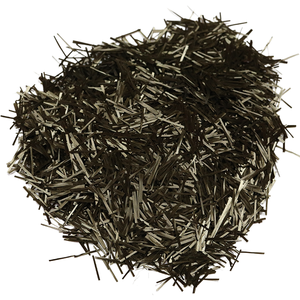
Applications of Whole Fiberglass Roving for Glass Fiber Reinforced Concrete Panel AR Fiberglass Chopped Strands
Applications of Whole Fiberglass Roving for GRC Panels
Solid Assistance for Modern Building And Construction
Entire fiberglass roving plays a vital duty in making glass fiber reinforced concrete (GRC) nā panela . These panels need added toughness and long-lasting performance. The roving considers that assistance. Contractors utilize it to produce light-weight yet tough wall panels, cladding systems, and architectural elements.
The fibers in the restless bond well with concrete. This mix quits fractures from dispersing. It also helps the panel manage tension much better. That implies fewer repairs and longer life for buildings. Due to the fact that the material is light, it reduces shipping costs and makes setup much faster.
Why Make Use Of AR Fiberglass Chopped Strands?
AR (alkali-resistant) sliced hairs work together with entire roving. They spread out equally via the concrete mix. This also spread increases effect resistance and maintains the surface area smooth. AR hairs stand up to the high pH degrees in concrete. Routine glass fibers would certainly damage down, however AR hairs stay strong.
Hui pu, entire roving and chopped strands offer GRC panels balance. The roving includes tensile strength over large locations. The cut strands improve regional durability and complete high quality. This combo functions well for both interior and outside usages.
Manufacturers depend on this system for complicated forms like bent wall surfaces or comprehensive exteriors. The material holds its type without hefty steel frames. Developers obtain even more liberty. Contractors save time. House owners and organizations obtain sturdy, clean-looking surface areas that resist climate, pulu, a me nā lole o kēlā me kēia lā.
These items fulfill strict building codes. They likewise sustain environment-friendly building goals by cutting product waste and energy usage throughout transport and setting up.
ʻO ka moʻolelo o ka hui
ʻO mākou ke alakaʻi o ka honua i nā ʻenehana māmā a me nā hoʻonā ʻenehana i hana ʻia. ʻIke ʻia ma ka honua holoʻokoʻa no kāna kūpaʻa i ka noiʻi, mea hou, a me ka ʻike noiʻi, ke hāʻawi nei mākou i nā hoʻonā ʻenehana i hana ʻia mai ka makahiki 2012.
Hiki iā mākou ke hāʻawi aku i ka hoʻohui ʻana i nā mea hoʻohui kiʻekiʻe kiʻekiʻe a me nā huahana pili i ka foam concrete a puni ka honua.
He keʻena ʻenehana ʻoihana a me ka ʻoihana kiaʻi maikaʻi ka hui, he hale hana i hoolako pono ia, a hoʻolako ʻia me nā lako hoʻāʻo kiʻekiʻe a me ke kikowaena lawelawe mea kūʻai aku ma hope o ke kūʻai aku.
Inā hoihoi ʻoe, e ʻoluʻolu a e hoʻokaʻaʻike mai iā mākou.
Uku
T/T, Hui Komohana, Paypal, Kāleka ʻaiʻē etc.
Hoʻouna
Ma ka lewa, ma ke kai, ma ka hoike, e like me ke noi a nā mea kūʻai aku.
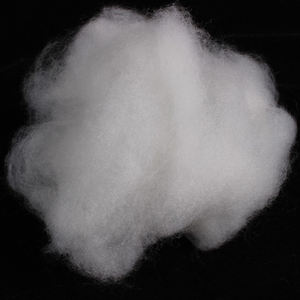
5 FAQs of Whole Fiberglass Roving for Glass Fiber Reinforced Concrete Panel AR Fiberglass Chopped Strands
Frequently Asked Questions About Whole Fiberglass Roving for GRC Panels
What is whole fiberglass roving used for in GRC panels?
Whole fiberglass roving gives strength to glass fiber reinforced concrete (GRC) nā panela. It holds the concrete together and stops cracks from forming. Hoʻohana ka poʻe kūkulu hale i ka pā, facades, and decorative parts because it makes the panels light but strong.
Why choose AR fiberglass chopped strands over other fibers?
AR stands for alkali-resistant. Cement is very alkaline, and regular glass fibers break down in it. AR fiberglass chopped strands last longer in concrete. They keep their strength for many years, even when mixed into wet cement.
How are chopped strands different from roving?
Roving comes as long, continuous bundles of fibers. Chopped strands are cut into short pieces, maʻa mau 6 i 25 mm ka lōʻihi. Both add strength, but chopped strands mix more evenly into the concrete. Roving is often used where extra tensile strength is needed in one direction.
Can I use this fiberglass with any type of concrete mix?
These fibers work best with GRC-specific mixes. Standard concrete may not bond well with the fibers. Always follow the manufacturer’s mix design. ʻO kēlā ala, you get the full benefit of the fiberglass reinforcement.
Does adding fiberglass affect the surface finish of GRC panels?
If mixed correctly, the surface stays smooth. Too much fiber or poor mixing can cause small fibers to stick out. Use the right dosage and good mixing equipment. This helps you get a clean, professional look without fuzz or rough spots.
NOI I KA PALAPALA
NA HUAKAI PILI

ʻO ke kiʻekiʻe kiʻekiʻe hana kiʻekiʻe keleawe i uhi ʻia i ke kila kila kila no ka kiʻekiʻe ductility concrete
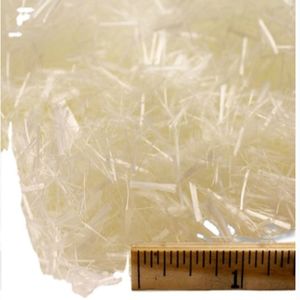
Carbon Fiber Mesh For Structure Concrete Reinforcement Grid

Pahū Copper Steel Concrete Fiber Bridge Construction Project Fiber Concrete Construction Material
Hoʻohana ʻia ʻo Polypropylene Concrete Fiber ikaika kiʻekiʻe no ka hoʻoikaika ʻana i ka palaki

ʻO ke ola lōʻihi ʻo Viscose Concrete Fiber Felt Carbon Based
