Lightweight Concrete Additives | High-Performance Foaming Agents for Cellular Concrete

PRODUCT PARAMETERS
Description
Overview of Concrete Admixture VAE Powder for Flexible Cementitious Repair Mortars
Concrete Admixture VAE Powder for Flexible Cementitious Repair Mortars is chemical compounds added to concrete mixtures to improve various properties of the material, such as workability, strength, durability, and curing time. These additives include plasticizers, retarders, accelerators, waterproofing agents, and air-entraining agents, each designed to meet specific needs in concrete production. Concrete additives are commonly used in both commercial and residential construction, as well as in the production of precast and ready-mix concrete. By enhancing the performance and quality of concrete, these additives help improve the overall efficiency of construction projects while ensuring the durability and longevity of the finished structure. They are easy to incorporate into the mix and provide cost-effective solutions for optimizing concrete properties in a wide range of applications.
Characteristics of Concrete Admixture VAE Powder for Flexible Cementitious Repair Mortars
Enhanced Strength: Concrete additives can significantly increase the compressive strength of concrete, making it more resilient to pressure and stress. This ensures the longevity and durability of structures, reducing the likelihood of cracking or failure.
Improved Workability: Additives such as plasticizers and superplasticizers improve the flowability and consistency of concrete, making it easier to handle, pour, and finish. This enhances productivity on the construction site and reduces labor costs.
Faster Curing: Accelerators, a type of concrete additive, help speed up the curing process, allowing for quicker setting times and faster completion of projects. This is especially useful in cold weather or when fast-tracking construction timelines.
Increased Durability: Many additives, like water-reducing agents and waterproofing compounds, increase the resistance of concrete to harsh environmental conditions such as freeze-thaw cycles, water ingress, and chemical exposure, ensuring long-term performance.
Better Adhesion and Bonding: Certain additives improve the bonding between the concrete and other materials, such as reinforcing steel or aggregates, enhancing the overall structural integrity and reducing the chances of delamination or separation.
Versatility for Various Applications: Concrete additives are highly versatile and can be used in a wide range of applications, from residential buildings to large-scale infrastructure projects. They are formulated to meet specific needs such as high-strength concrete, self-compacting concrete, or durable concrete for extreme conditions.
Cost-Efficient: By improving the quality and performance of concrete, additives reduce the need for additional maintenance and repairs, leading to significant cost savings in the long term. Additionally, they help optimize the mix design, reducing material waste.
Environmentally Friendly: Many modern concrete additives are formulated with eco-friendly ingredients, contributing to more sustainable construction practices. These additives help minimize the carbon footprint and improve the environmental performance of the concrete.
Enhanced Surface Finish: Additives like air-entraining agents can improve the finish and appearance of concrete by preventing defects like cracking, honeycombing, or surface dusting, ensuring a smooth, professional-grade surface.

Specification of Concrete Admixture VAE Powder for Flexible Cementitious Repair Mortars
Requirements of Concrete Admixture VAE Powder for Flexible Cementitious Repair Mortars
Item Overview
VAE Powder is a top quality vinyl acetate-ethylene copolymer used as a dry-mix additive in cement-based repair work mortars. It boosts versatility, bond, and resilience without needing extra liquid handling on website.
Key Features
This powder type admixture distributes uniformly in completely dry blends. When blended with water at the work website, it forms a stable polymer film inside the mortar matrix. The outcome is a repair work material that bonds well to old concrete and resists cracking under movement or anxiety. It also improves water resistance and long-lasting performance in damp or humid problems.
Technical Residence
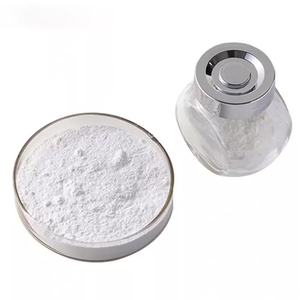
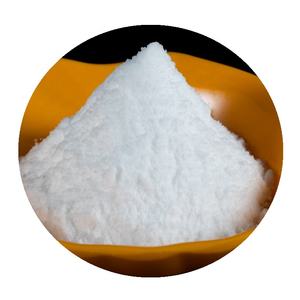
Look: Free-flowing white powder
Polymer type: Plastic acetate-ethylene (VAE).
Ash web content: Approximately 12– 16%.
Mass thickness: 450– 550 kg/m TWO.
Bit size: Travels through a 150-micron sieve.
Minimum film-forming temperature: Around 5 ° C.
Use Standards
Add 3– 8% VAE Powder by weight of complete binder (cement + additives) in your completely dry mix formulation. Exact dosage depends upon required versatility and exposure conditions. Always pre-blend completely with concrete, sand, and various other dry active ingredients before including water. Usage typical blending equipment. No unique devices or procedures are needed.
Storage space & Handling
Maintain the product in an amazing, completely dry area. Store bags off the floor and far from moisture. Use within year of manufacturing date for ideal outcomes. Avoid prolonged skin contact. Use handwear covers and eye defense during handling.

Applications of Concrete Admixture VAE Powder for Flexible Cementitious Repair Mortars
Applications of Concrete Admixture VAE Powder for Flexible Cementitious Repair Work Mortars
Improved Adaptability and Fracture Resistance
VAE (vinyl acetate-ethylene) powder is an essential active ingredient in contemporary repair mortars. When mixed right into cement-based systems, it provides the final product a lot more versatility. This helps the mortar deal with little motions without fracturing. Structures like bridges, parking decks, and industrial floors typically encounter stress and anxiety from web traffic, temperature changes, or clearing up. An adaptable repair work material reduces the threat of new fractures forming near the fixed area.
Better Bond Toughness
One significant obstacle in concrete fixing is getting the new product to stick well to old surface areas. VAE powder improves adhesion in between the repair mortar and existing concrete. It develops a strong bond even on wet or somewhat messy substratums. This indicates less surface area prep job and even more trusted lasting efficiency. Professionals can conserve time while still delivering long lasting results.
Water Resistance and Toughness
Moisture weakens numerous standard fixing materials gradually. VAE-modified mortars withstand water penetration better. The polymer movie produced by VAE fills tiny pores in the cement matrix. This makes the fixed zone much less vulnerable to freeze-thaw damages, chloride ingress, and chemical direct exposure. Consequently, frameworks last much longer with fewer upkeep needs.
Easy Combining and Workability
VAE powder blends smoothly right into completely dry mortar mixes. It does not need special devices or handling actions. On-site, employees merely add water and mix as usual. The resulting paste remains simple to trowel or spray, also in slim layers. Good workability guarantees constant protection and a clean coating– crucial for both architectural and aesthetic repair work.
Wide Usage Across Construction Tasks
This admixture fits many applications: patching spalls, leveling irregular pieces, securing joints, and recovering damaged walls. It works well inside your home and outdoors. Whether fixing a stockroom flooring or repairing a highway overpass, VAE powder aids develop repair service mortars that are tough, versatile, and constructed to last.
Company Profile
We are the global leader in lightweight concrete and advanced engineered foam solutions. Known globally for its commitment to research, innovation, and applied expertise, we have been providing engineered foam solutions since the early 2012’s.
We can supply high-quality concrete admixture and foam concrete related products all over the world.
The company has a professional technical department and quality supervision department, a well-equipped laboratory, and equipped with advanced testing equipment and after-sales customer service center.
If you are interested, please feel free and contact us.
Payment
T/T, Western Union, Paypal, Credit Card etc.
Shipment
By air, by sea, by express, as customers request.
5 FAQs of Concrete Admixture VAE Powder for Flexible Cementitious Repair Mortars
Frequently Asked Questions About VAE Powder for Flexible Cementitious Repair Mortars
What is VAE powder?
VAE powder stands for vinyl acetate-ethylene copolymer powder. It is a dry polymer additive used in cement-based repair mortars. When mixed with water, it forms a flexible film that bonds well with cement and aggregates.
Why add VAE powder to repair mortar?
Adding VAE powder makes the mortar more flexible and less brittle. This helps the repair layer handle small movements without cracking. It also improves adhesion to old concrete, reduces water absorption, and boosts durability in wet or changing conditions.
How much VAE powder should I use?
The right amount depends on your mix design and performance needs. A common range is 2% to 6% by weight of cement. Start with 3–4% for general repairs. Always test small batches first to check workability, strength, and flexibility.
Can I mix VAE powder with other additives?
Yes, you can use VAE powder with other admixtures like redispersible powders, cellulose ethers, or defoamers. But make sure they are compatible. Run a trial mix to confirm there are no negative effects on setting time or final properties.
Does VAE powder affect curing time?
VAE powder may slightly slow down early strength development because it changes how water interacts with cement. However, it does not stop the curing process. Keep the surface moist during curing, especially in hot or dry weather, to ensure full strength gain over time.
REQUEST A QUOTE
RELATED PRODUCTS

High Purity Silica Fume Concrete Admixture for Ultra High Performance Concrete UHPC

Construction Grade RDP VAE with Film Formation Concrete Admixture for Tile Adhesive
Calcium Chloride Concrete Admixture as Accelerator for Rapid Setting Concrete in Construction
Concrete Admixture HPMC Construction Grade Hydroxy Propyl Methyl Cellulose Used in Brick and Cement Work

Concrete Admixture VAE Powder Redispersible for Cement Based Putty and Skim Coat