


Lightweight Concrete Additives | High-Performance Foaming Agents for Cellular Concrete


PRODUCT PARAMETERS
Description
Overview of High Efficiency Protein Foaming Agent Concrete Admixture for Low Density CLC Blocks
High Efficiency Protein Foaming Agent Concrete Admixture for Low Density CLC Blocks is chemical compounds added to concrete mixtures to improve various properties of the material, such as workability, strength, durability, and curing time. These additives include plasticizers, retarders, accelerators, waterproofing agents, and air-entraining agents, each designed to meet specific needs in concrete production. Concrete additives are commonly used in both commercial and residential construction, as well as in the production of precast and ready-mix concrete. By enhancing the performance and quality of concrete, these additives help improve the overall efficiency of construction projects while ensuring the durability and longevity of the finished structure. They are easy to incorporate into the mix and provide cost-effective solutions for optimizing concrete properties in a wide range of applications.
Characteristics of High Efficiency Protein Foaming Agent Concrete Admixture for Low Density CLC Blocks
Enhanced Strength: Concrete additives can significantly increase the compressive strength of concrete, making it more resilient to pressure and stress. This ensures the longevity and durability of structures, reducing the likelihood of cracking or failure.
Improved Workability: Additives such as plasticizers and superplasticizers improve the flowability and consistency of concrete, making it easier to handle, pour, and finish. This enhances productivity on the construction site and reduces labor costs.
Faster Curing: Accelerators, a type of concrete additive, help speed up the curing process, allowing for quicker setting times and faster completion of projects. This is especially useful in cold weather or when fast-tracking construction timelines.
Increased Durability: Many additives, like water-reducing agents and waterproofing compounds, increase the resistance of concrete to harsh environmental conditions such as freeze-thaw cycles, water ingress, and chemical exposure, ensuring long-term performance.
Better Adhesion and Bonding: Certain additives improve the bonding between the concrete and other materials, such as reinforcing steel or aggregates, enhancing the overall structural integrity and reducing the chances of delamination or separation.
Versatility for Various Applications: Concrete additives are highly versatile and can be used in a wide range of applications, from residential buildings to large-scale infrastructure projects. They are formulated to meet specific needs such as high-strength concrete, self-compacting concrete, or durable concrete for extreme conditions.
Cost-Efficient: By improving the quality and performance of concrete, additives reduce the need for additional maintenance and repairs, leading to significant cost savings in the long term. Additionally, they help optimize the mix design, reducing material waste.
Environmentally Friendly: Many modern concrete additives are formulated with eco-friendly ingredients, contributing to more sustainable construction practices. These additives help minimize the carbon footprint and improve the environmental performance of the concrete.
Enhanced Surface Finish: Additives like air-entraining agents can improve the finish and appearance of concrete by preventing defects like cracking, honeycombing, or surface dusting, ensuring a smooth, professional-grade surface.

Specification of High Efficiency Protein Foaming Agent Concrete Admixture for Low Density CLC Blocks
High Performance Protein Foaming Agent for Low-Density CLC Obstructs
Product Introduction
This high efficiency healthy protein lathering representative is specifically made for creating low-density Mobile Lightweight Concrete (CLC) obstructs. It creates stable, uniform air bubbles in the concrete mix. These bubbles lower weight while keeping great toughness and insulation properties.
Trick Includes
The lathering representative utilizes natural protein-based raw materials. It gives strong, lasting foam that stands up during mixing and pouring. The foam framework stays intact even under stress or vibration. This aids stay clear of collapse or uneven thickness in the last blocks.
It blends easily with water and cement. No added equipment is required. Just add the correct amount to your mix, and you obtain constant results whenever. The product works well in both manual and automated block-making systems.
Performance Benefits
Blocks made with this admixture are lighter than typical cinder block. They use far better thermal and audio insulation. This makes them optimal for wall surfaces, partitions, and non-load-bearing frameworks.
The representative likewise boosts workability. Fresh CLC flows efficiently right into mold and mildews without segregation. Treated blocks show smooth surface areas and very little shrinking splits.
Water absorption stays low because of the closed-cell structure developed by the foam. This enhances toughness in damp problems.
Use Guidelines
Use 1 component lathering representative with 30– 40 parts water to make foam. Mix the foam into the cement slurry gently but extensively. Exact dosage relies on your target density– generally in between 400 kg/m four and 1200 kg/m ³. Always examination little sets first to make improvements proportions for your setup. Shop the item in a trendy, completely dry place far from direct sunshine. Maintain the container firmly closed when not in use.
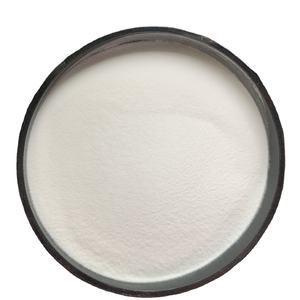
Applications of High Efficiency Protein Foaming Agent Concrete Admixture for Low Density CLC Blocks
Applications of High-Efficiency Protein Lathering Agent in Low-Density CLC Obstructs
Why This Foaming Representative Issues
High-efficiency healthy protein lathering representative is a vital ingredient for making top quality low-density Mobile Lightweight Concrete (CLC) blocks. It creates secure, uniform air bubbles inside the concrete mix. These bubbles minimize weight without harming toughness. Contractors utilize CLC blocks since they are light, protecting, and easy to handle.
Secret Utilizes in Building And Construction
This lathering agent works well in jobs that require lightweight wall surfaces. It is common in household structures, dividing wall surfaces, and non-load-bearing frameworks. The resulting CLC obstructs offer great thermal and sound insulation. That makes them perfect for energy-efficient homes and peaceful indoor areas.
The agent likewise assists in precast block manufacturing. Factories mix it with cement, water, and sand to develop a slurry. When put into mold and mildews, the mix increases and establishes right into solid blocks. The foam stays stable during healing, so the final product has constant density and smooth appearance.
Advantages on Site and Beyond
Utilizing this protein-based lathering agent cuts product prices. Less concrete and aggregate are needed because the blocks are lighter. Transport becomes more affordable as well. Employees discover the blocks much easier to cut, lift, and mount. This speeds up construction and minimizes labor initiative.
The representative is likewise eco-friendly. It originates from all-natural proteins and breaks down safely. It does not launch unsafe chemicals throughout blending or treating. That sustains greener building techniques and much healthier work environments.
In general, this high-efficiency frothing representative provides reliable performance in real-world applications. It fulfills contemporary needs for lasting, cost-effective, and high-grade building products.
Company Profile
We are the global leader in lightweight concrete and advanced engineered foam solutions. Known globally for its commitment to research, innovation, and applied expertise, we have been providing engineered foam solutions since the early 2012’s.
We can supply high-quality concrete admixture and foam concrete related products all over the world.
The company has a professional technical department and quality supervision department, a well-equipped laboratory, and equipped with advanced testing equipment and after-sales customer service center.
If you are interested, please feel free and contact us.
Payment
T/T, Western Union, Paypal, Credit Card etc.
Shipment
By air, by sea, by express, as customers request.

5 FAQs of High Efficiency Protein Foaming Agent Concrete Admixture for Low Density CLC Blocks
Frequently Asked Questions
What is this foaming agent used for?
This high-efficiency protein foaming agent is made for producing low-density cellular lightweight concrete (CLC) blocks. It creates stable, fine air bubbles in the mix. These bubbles make the concrete lighter and give it good insulation properties.
How does it improve block quality?
The agent forms strong, uniform foam that stays stable during mixing and curing. This helps the CLC blocks keep consistent density and strength. It also reduces cracks and shrinkage, so the final blocks are more durable and easier to handle.
Is it safe to use on site?
Yes. The product is non-toxic and biodegradable. It contains no harmful solvents or volatile organic compounds. Workers can use it safely with basic protective gear like gloves and goggles.
How much should I add to the mix?
Dosage depends on your target density and equipment. A typical range is 0.5% to 2% by weight of cement. Always run a small trial batch first. Adjust the amount based on foam stability and final block performance.
Can it work with different types of cement?
Yes. It works well with ordinary Portland cement and most common cement blends. For best results, test it with your specific materials and water source. Local conditions like temperature and mixing time may affect foam behavior, so minor adjustments might be needed.
REQUEST A QUOTE
RELATED PRODUCTS

Best High Quality HPMC Hydroxypropyl Methyl Cellulose Concrete Admixture for Construction Projects
Concrete Admixture PP Fiber Twisted Waved Polypropylene Fiber for Concrete Reinforcement

HPMC Concrete Admixture for Cement Rendering and External Wall Insulation Systems

Concrete Admixture VAE RDP Redispersible Powder for Tile Adhesive with High Flexibility

Graphene Oxide Dispersion Concrete Admixture for High Strength Concrete Bridges
