Additius de formigó lleuger | Agents espumants d'alt rendiment per al formigó cel·lular


PARÀMETRES DEL PRODUCTE
Descripció
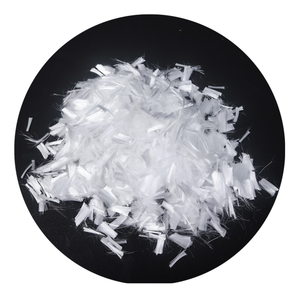
Overview of Polyacrylonitrile fiber anti-cracking mortar concrete plastic fiber effectively improve the strength of cement
Per a una gran resistència a l'impacte, oferim fibres d'acer, un reemplaçament ideal per a la malla de filferro soldada en terres industrials i elements prefabricats. També oferim fibres sintètiques estructurals especialitzades que ofereixen una alta resistència a la tracció per a aplicacions exigents. Aquestes fibres es dispersen uniformement per tota la mescla de formigó, creant una xarxa de reforç multidimensional que els mètodes tradicionals no poden aconseguir. Aquest enfocament integrat simplifica la construcció, accelera la col·locació, i millora la integritat general i la longevitat del formigó, proporcionant una resposta moderna als reptes ancestrals d'esquerdes i durabilitat.
Features of Polyacrylonitrile fiber anti-cracking mortar concrete plastic fiber effectively improve the strength of cement
1. Control superior d'esquerdes i durabilitat millorada:
La característica principal de les nostres fibres és la seva capacitat per salvar tant les microesquerdes que es formen durant l'estat plàstic com les esquerdes més grans del formigó endurit.. Aquesta dispersió tridimensional crea una matriu més cohesionada que resisteix la propagació d'esquerdes. El benefici directe és una reducció significativa tant de l'esquerda de la contracció plàstica com de l'amplada de l'esquerda a llarg termini. Això condueix a un formigó molt més durador i amb menor permeabilitat, que al seu torn millora la resistència a l'entrada d'aigua, danys per congelació-descongelació, i corrosió de qualsevol acer incrustat. El resultat és una estructura amb una vida útil més llarga i costos de manteniment reduïts.
2. Augment de la resistència a l'impacte i a l'abrasió:
Fibres, especialment acer i macrofibres sintètiques robustes, millorar dràsticament la duresa del formigó i el rendiment després de l'esquerda. Absorbeixen i distribueixen energia durant l'impacte o la càrrega. Aquesta característica ofereix l'avantatge d'una superfície més resistent que és menys propensa a esquinçar-se, xip, i abrasió sota trànsit intens o desgast mecànic. Aquest és un avantatge crític per a sòls industrials, paviments del magatzem, i projectes d'infraestructures, donant lloc a una superfície més resistent que manté la seva integritat al llarg del temps.
3. Eficiència de construcció i estalvi de costos:
Una característica clau de l'ús del reforç de fibra és l'eliminació de la malla de filferro soldada (WWF) en moltes aplicacions. Això ofereix immensos beneficis in situ: simplifica la col·locació, ja que no hi ha cap malla per muntar o potencialment desplaçada, i accelera tot el procés de construcció. Eliminant un pas que requereix molta mà d'obra, els projectes veuen costos laborals reduïts i terminis de projecte més ràpids. La distribució uniforme de les fibres també garanteix un reforç consistent en tota la secció del formigó, a diferència de la malla, que es pot col·locar incorrectament, donant lloc a un rendiment més fiable i previsible.

Specification of Polyacrylonitrile fiber anti-cracking mortar concrete plastic fiber effectively improve the strength of cement
Polyacrylonitrile Fiber Anti-Cracking Mortar Concrete Plastic Fiber
Stronger Cement Starts with Better Fibers
This product uses top notch polyacrylonitrile (PAN) fibers to improve the performance of cement-based products. The fibers blend uniformly into mortar or concrete throughout preparation. They help control early-age splitting triggered by drying out contraction and temperature changes.
Why PAN fibers function well
Frying pan fibers are slim, sòlid, and bond tightly with cement paste. Their surface area structure lets them hold the surrounding matrix far better than smooth fibers. This hold quits small cracks from becoming big ones. The fibers also enhance influence resistance and lower surface cleaning.
Fàcil d'utilitzar, fantastic outcomes
You include the fibers straight to your mixer in addition to sand, ciment, i aigua. No calen accions ni dispositius únics. Standard blending time suffices to spread the fibers evenly. Un cop curat, the end product reveals fewer splits, much better sturdiness, i una vida útil més llarga.
Key benefits you get
– Much less fracturing in walls, pisos, i superposicions
– Greater flexural and tensile stamina
– Enhanced resilience under duplicated stress
– Better resistance to freeze-thaw cycles
– Reduced demand for steel mesh in thin sections
These fibers meet sector standards for synthetic reinforcement in building and construction. No es corroeixen, podridura, or degrade in alkaline environments like cement. That implies long-lasting protection without added upkeep.
Constructors, professionals, and designers pick this fiber service for projects where fracture control matters– like commercial floorings, stucco coatings, formigó projectat, i aspectes prefabricats. It operates in both wet and completely dry mix systems.
Use it any place you desire more powerful, more trusted concrete without transforming your normal workflow. Només barreja, lloc, and finish as typical. The difference shows up in time: menys treballs de reparació, superfícies més netes, and structures that hold up far better under pressure.
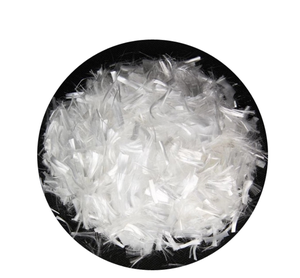
Applications of Polyacrylonitrile fiber anti-cracking mortar concrete plastic fiber effectively improve the strength of cement
Boost Concrete Strength with Polyacrylonitrile Fiber
Why Utilize Anti-Cracking Mortar Additives?
Concrete cracks quickly under stress, ajust de nivell de temperatura, or drying contraction. These cracks damage frameworks and shorten their life. Adding polyacrylonitrile (PAN) fiber to mortar or concrete helps stop these troubles before they start.
Polyacrylonitrile fiber is a synthetic material created building and construction usage. It blends well right into concrete and spreads out uniformly. When within, it acts like small supports. Each fiber holds the mix with each other when pressures attempt to pull it apart.
Just How PAN Fiber Boosts Efficiency
When you add PAN fiber to your mix, the final product becomes tougher. The fibers bridge small spaces that develop during curing. This stops micro-cracks from becoming big ones. Per tant, the surface area remains smooth and strong.
The fiber additionally boosts effect resistance. Pisos, superfícies de paret, or slabs with PAN fiber take care of hefty lots better. They bend somewhat without breaking. This matters in position like commercial floorings, carreteres, or bridges where tension is constant.
Water loss throughout drying reasons most early splits. PAN fiber reduces this down by holding moisture much longer inside the mix. That offers the concrete more time to harden correctly. Fewer fractures indicate less repair work later on.
Fàcil d'utilitzar, Large Results
You do not need special devices to utilize PAN fiber. Just add it during mixing like any other additive. It deals with conventional cement, sorra, and water proportions. No calen accions addicionals.
Home builders and designers pick frying pan fiber since it gives dependable results every time. It reduces lasting expenses by making frameworks last longer. A més, it fulfills modern structure requirements for sturdiness and safety.
Presentació de l'empresa
Benvingut a Concrete and More, un proveïdor líder d'additius de formigó d'alt rendiment, inclosos els nostres reductors d'aigua de formigó premium. Amb anys d'experiència en el mercat global, oferim solucions avançades dissenyades per millorar la qualitat i l'eficiència dels projectes de construcció a tot el món. Les nostres instal·lacions de fabricació d'última generació garanteixen productes d'alta qualitat que compleixen els estàndards internacionals. Estem orgullosos d'un servei al client excepcional, suport tècnic, i solucions a mida per satisfer les necessitats específiques del projecte. Col·labora amb nosaltres per ser fiable, innovador, i additius de formigó rendibles que impulsen els vostres projectes. Exploreu més a www.concreteandmore.de/. Construïm el futur junts!
Si teniu alguna pregunta, si us plau, no dubteu a contactar amb nosaltres.
Mètodes de pagament
T/T, Western Union, Paypal, Targeta de crèdit, etc.
Mètodes d'enviament
Per aire, per mar, per express, tal com ho demanen els clients.
5 FAQs of Polyacrylonitrile fiber anti-cracking mortar concrete plastic fiber effectively improve the strength of cement
Frequently Asked Questions About Polyacrylonitrile Fiber Anti-Cracking Mortar
What is polyacrylonitrile fiber used for in concrete?
Polyacrylonitrile (PAN) fiber is added to cement mortar to reduce cracking. It works by holding the material together when stress builds up. This helps the concrete stay strong and last longer.
How does PAN fiber improve strength?
Les fibres s'estenen uniformement per la barreja. They act like tiny reinforcements inside the cement. When force is applied, the fibers absorb energy and stop small cracks from growing. This makes the final product tougher and more resistant to damage.
Is PAN fiber better than other types of fiber?
PAN fiber has good bonding with cement. Resisteix als àlcalis, which is common in concrete. Unlike some synthetic fibers, it does not degrade quickly in wet or harsh conditions. This gives long-term protection against cracking and wear.
How much PAN fiber should be added to mortar?
Typical use is between 0.6 a 1.0 kg per cubic meter of mortar. La quantitat exacta depèn de les necessitats del projecte. Massa poc pot no ajudar gaire. Massa pot dificultar la barreja. Seguiu sempre les instruccions del fabricant per obtenir els millors resultats.
Does PAN fiber affect workability of the mix?
When used at the right dose, PAN fiber does not harm workability. It mixes well with standard equipment. The fresh mortar remains easy to place and finish. El temps de barreja adequat garanteix una distribució uniforme sense aglomeracions.
SOL·LICITA UN PRESUP
PRODUCTES RELACIONATS
Tela de fibra de carboni de reforç de formigó d'alt mòdul 12k UD
Geogrilla de malla de fibra de carboni teixida per a reforç de formigó
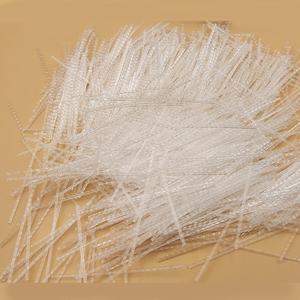
12mm PP Polipropilè Formigó Fibra de microfibra Fibra de monofilament per a formigó

Microfibra d'acer recoberta de coure Fibres d'acer de metall reforçat de formigó Materials de construcció per a Uhpc Categoria de producte Metall
Fibra d'acer metàl·lica de reforç de formigó per a aplicacions industrials