


Ychwanegion Concrit Ysgafn | Asiantau Ewynnog Perfformiad Uchel ar gyfer Concrit Cellog


PARAMEDRAU CYNNYRCH
Disgrifiad
Overview of Low Thermal Conductivity Insulation Aerogel Blanket for Automotive Batteries and EV Electric Vehicle
Low Thermal Conductivity Insulation Aerogel Blanket for Automotive Batteries and EV Electric Vehicle is a synthetic porous ultralight material derived from a gel, lle mae'r gydran hylif wedi'i ddisodli gan nwy. Y canlyniad yw solet gyda dwysedd isel iawn a dargludedd thermol isel, llysenw yn aml “mwg wedi rhewi.” Er gwaethaf ei ymddangosiad bregus, gellir ei beiriannu i fod yn hynod o gryf, dal teitl deunydd solet insiwleiddio gorau'r byd.
Features of Low Thermal Conductivity Insulation Aerogel Blanket for Automotive Batteries and EV Electric Vehicle
-
Dargludedd Thermol Isaf y Byd: Yn darparu perfformiad inswleiddio heb ei ail, llawer gwell na deunyddiau traddodiadol.
-
Dwysedd Eithriadol o Isel: Un o'r defnyddiau solet ysgafnaf sy'n hysbys i ddyn, gyda chyfansoddiad o hyd at 99.8% awyr.
-
Ardal Wyneb Uchel: Yn meddu ar arwynebedd mewnol anhygoel o fawr, gan ei wneud yn werthfawr ar gyfer cymwysiadau hidlo ac amsugno.
-
Cyfansoddiad Amlbwrpas: Gellir ei wneud o ddeunyddiau amrywiol, gan gynnwys silica, carbon, ac ocsidau metel, pob un â phriodweddau unigryw.
-
Mandylledd Eithriadol: Mae ei strwythur nanoporaidd yn gyfrifol am ei alluoedd inswleiddio rhagorol.

Airgel cotio
Specifications of Low Thermal Conductivity Insulation Aerogel Blanket for Automotive Batteries and EV Electric Vehicle
Low Thermal Conductivity Insulation Aerogel Blanket for Automotive Batteries
Manylebau Cyfrinachol
This aerogel blanket uses remarkable thermal insulation for electric car (EV) pecynnau batri. It aids keep heat inside or outside the battery system, relying on operating problems. The material keeps stable efficiency throughout a broad temperature level array– rhag -200 °C i +650 °C
. The blanket has an exceptionally reduced thermal conductivity of just 0.013– 0.018 W/(m·K) ar dymheredd ystafell. This value remains low also under compression or in moist settings. Its framework uses nanoporous silica aerogel embedded in an adaptable fiber matrix, giving it both toughness and soft qualities.
It is lightweight , with a typical thickness in between 180– 220 kg/m PEDWAR . This helps reduce overall automobile weight without giving up safety or insulation quality. The blanket is also non-combustible and satisfies vital vehicle fire safety standards, gan gynnwys UL 94 V-0.
Physical and Safety And Security Functions
The product stands up to tearing and manages repeated bending well. It can be cut easily on-site to fit complicated battery module forms. Surface area choices consist of aluminum foil , glass fiber scrim , or polyimide movie — each including additional security versus moisture, sgraffinio, or electrical call.
This aerogel blanket does not launch harmful fumes when exposed to high warm. It has no asbestos and adhere to RoHS and get to guidelines. Installment needs no unique devices. Merely place it between battery cells, modules, or around the pack housing.
Its hydrophobic treatment avoids water absorption, which maintains insulation performance regular over time. Long-term exposure to resonance, thermal cycling, or road salts does not degrade its core homes. This makes it suitable for daily driving problems in addition to extreme environments.
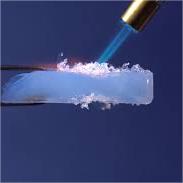
Applications of Low Thermal Conductivity Insulation Aerogel Blanket for Automotive Batteries and EV Electric Vehicle
Maintain EV Batteries Safe and Reliable with Aerogel Blankets
Why Thermal Security Issues for Electric Cars
Electric lorry (EV) batteries function best within a slim temperature level variety. If they get too warm or as well chilly, performance decreases and battery life reduces. In severe situations, overheating can even trigger safety and security concerns. That’s why smart thermal monitoring is essential.
Aerogel insulation coverings use a lightweight, highly reliable remedy. Made from silica-based aerogels, these coverings have incredibly low thermal conductivity. This suggests they decrease warmth transfer far better than many traditional materials. They act like a thermal guard around battery packs, keeping outdoors heat out in summertime and internal warm in during winter months.
Built for Real-World Needs
Aerogel blankets are thin yet powerful. Their slim account fits conveniently into tight spaces inside modern-day EVs without adding bulk. They stay versatile throughout a wide temperature level array, so they won’t split or degrade in time. A hefyd, they stand up to dampness and do not burn conveniently– essential attributes for any type of product near high-energy batteries.
Automobile makers make use of these coverings between battery cells, around components, and along the pack’s external shell. This configuration assists maintain constant temperature levels throughout the entire pack. Steady temperatures mean quicker charging, longer driving variety, and less unanticipated closures.
Because aerogel blankets evaluate extremely little bit, they also aid maintain the lorry’s complete weight down. Every kilogram conserved increases efficiency and prolongs just how far the cars and truck can go on a solitary cost.
Manufacturers trust fund aerogel technology because it delivers trusted security without complicating design or assembly. It functions quietly behind-the-scenes– maintaining batteries secure, effeithlon, and ready to power your drive, despite the weather condition.
Proffil Cwmni
Ni yw'r arweinydd byd-eang mewn atebion ewyn concrit ysgafn ac uwch wedi'u peiriannu. Yn adnabyddus yn fyd-eang am ei ymrwymiad i ymchwil, arloesi, ac arbenigedd cymhwysol, rydym wedi bod yn darparu datrysiadau ewyn peirianyddol ers y 2012 cynnar.
Gallwn gyflenwi cymysgedd concrit o ansawdd uchel a chynhyrchion ewyn cysylltiedig â choncrit ledled y byd.
Mae gan y cwmni adran dechnegol broffesiynol ac adran goruchwylio ansawdd, labordy â chyfarpar da, ac yn meddu ar offer profi uwch a chanolfan gwasanaeth cwsmeriaid ôl-werthu.
Os oes gennych ddiddordeb, mae croeso i chi a chysylltwch â ni.
Taliad
T/T, Undeb gorllewinol, Paypal, Cerdyn Credyd ac ati.
Cludo
Ar yr awyr, ar y môr, trwy fynegi, fel cais cwsmeriaid.
5 FAQs of Low Thermal Conductivity Insulation Aerogel Blanket for Automotive Batteries and EV Electric Vehicle
Cwestiynau Cyffredin: Low Thermal Conductivity Insulation Aerogel Blanket for Automotive Batteries
Beth yw blanced aergel?
Mae blanced aergel yn ddeunydd inswleiddio ysgafn wedi'i wneud o airgel silica. Mae ganddo ddargludedd thermol isel iawn. This means it slows down heat transfer well. It helps keep battery packs at safe temperatures in electric vehicles.
Why use it in EV batteries?
Electric vehicle batteries generate heat during charging and driving. Too much heat can damage cells or reduce performance. The aerogel blanket acts as a thermal barrier. It stops heat from spreading between cells. This lowers the risk of thermal runaway and improves safety.
Sut mae'n cymharu ag inswleiddio traddodiadol?
Traditional materials like foam or fiberglass are thicker and heavier. They also conduct more heat. Aerogel blankets offer better insulation in a thinner layer. They save space and weight—both critical in vehicle design.
Is it durable under vehicle conditions?
Oes. The blanket is flexible and handles vibration well. It resists moisture and stays stable across a wide temperature range. It keeps its insulating power even after long-term use in tough automotive environments.
A yw'n bodloni safonau diogelwch?
The aerogel blanket is non-combustible and meets key automotive fire safety requirements. It does not release toxic fumes when exposed to high heat. Many EV makers use it to comply with global battery safety regulations.
GOFYNNWCH DYFYNBRIS
CYNHYRCHION CYSYLLTIEDIG
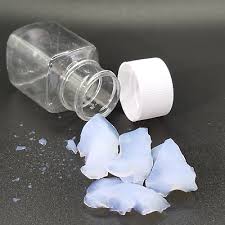
Blanced Adeilad Inswleiddio Thermol Airgel ar gyfer Effeithlonrwydd Ynni
Blanced Airgel Trwch A1 Gwrthdan 3mm ar gyfer Adeiladu
blancedi airgel silica o ansawdd da

Padin Inswleiddio Airgel ar gyfer Inswleiddiad Thermol Batri Car Ynni Newydd
Prepreg Airgel Ffelt dwbl PTFE Gwregys Cyfansawdd Peiriant lamineiddio gwely fflat gyda parth gwresogi ac oeri