


Leichtbetonzusatzstoffe | Hochleistungsschaummittel für Porenbeton


PRODUKTPARAMETER
Beschreibung
Introduction to Hydroxypropyl Methyl Cellulose HPMC for Tile Adhesive
Hydroxypropylmethylcellulose (HPMC), dessen chinesischer Name Hydroxypropylmethylcellulose ist, ist ein halbsynthetisches, nichtionischer Celluloseether, der durch chemische Modifizierung natürlicher Cellulose gewonnen wird. Dieses weiße Pulver kann nach dem Auflösen in Wasser eine transparente viskose Lösung bilden. Es hat eine ausgezeichnete Verdickung, Wassereinlagerungen, Stabilität und filmbildende Eigenschaften. Es ist ein unverzichtbarer multifunktionaler Zusatzstoff in vielen Bereichen, beispielsweise im Bauwesen.
Characteristics and advantages of Hydroxypropyl Methyl Cellulose HPMC for Tile Adhesive
Hervorragende Wasserlöslichkeit: Es kann schnell in kaltem Wasser aufgelöst werden, um eine klare und stabile Lösung zu bilden.
Effiziente Verdickungs- und Wasserrückhaltefähigkeit: Erhöhen Sie die Viskosität des Materials, reduzieren effektiv die Wasserverdunstung, und die Arbeitseffizienz verbessern.
Gute Stabilität: Es weist eine gute Stabilität gegenüber Säuren auf, Alkalien, und Salze, und ist für einen breiten pH-Wert-Bereich geeignet.
Filmbildende und schützende Wirkung: Nach dem Trocknen, Es bildet einen robusten und transparenten Film, der den Untergrund schützt und das Eindringen und Verdunsten von Wasser verhindert.
Ungiftig und nicht reizend: Es verfügt über eine gute Biokompatibilität und ist für die Bereiche Medizin und Lebensmittel geeignet.
Verstellbarkeit: Durch Veränderung des Substitutionsgrades und des Molekulargewichts, Seine Leistung kann an unterschiedliche Anwendungsanforderungen angepasst werden.

Specifications of Hydroxypropyl Methyl Cellulose HPMC for Tile Adhesive
Specifications of Hydroxypropyl Methyl Cellulose (HPMC) für Fliesenkleber
Geheime Eigenschaften
Viskosität: HPMC utilized in ceramic tile adhesives generally has a viscosity series of 15,000 Zu 100,000 mPa · s (gemessen bei 2% Lösung, 20 °C). This ensures great workability and stops drooping throughout application.
Reinheit: The product consists of no more than 5% dampness and less than 1% Aschematerial. High purity assists keep consistent efficiency and prevents undesirable responses with other ingredients.
Fragmentdimension: Many grades travel through a 80-mesh filter. Fine fragment dimension permits fast and even dispersion in dry-mix formulations.
pH-Wert: A neutral pH in between 6.0 Und 8.0 makes HPMC compatible with usual cement-based systems. It does not interfere with establishing time or stamina growth.
Functional Advantages
Wassereinlagerungen: HPMC holds water effectively in the adhesive mix. This gives concrete adequate time to moisten completely, which enhances bond toughness and lowers the risk of ceramic tile failing.
Bearbeitbarkeit: It includes smoothness and slip to the mix. Employees can spread the glue easily without it sticking excessive to the trowel.
Öffnungszeiten: HPMC prolongs open time– the period throughout which tiles can be readjusted after placement. This is specifically beneficial for large-format or accuracy installments.
Durchhangwiderstand: On upright surfaces, HPMC quits the sticky from sliding down. Floor tiles stay in location without sagging or changing.
Stauraum und Handhabung
Bewahren Sie HPMC gut auf, Völlig trockener Standort, fernab von direkter Sonneneinstrahlung. Maintain product packaging secured to stay clear of dampness absorption. Use within one year of manufacturing for finest results. Manage with conventional industrial hygiene practices– stay clear of breathing dust and use handwear covers if taking care of huge amounts.
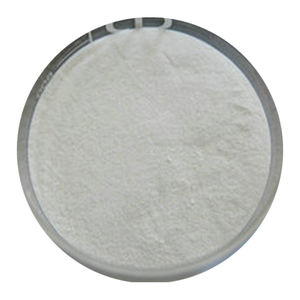
Applications of Hydroxypropyl Methyl Cellulose HPMC for Tile Adhesive
Why HPMC Is Vital in Floor Tile Adhesive
Ceramic tile adhesive must stick well, remain convenient, and hold floor tiles securely in time. Hydroxypropylmethylcellulose (HPMC) plays a vital duty in making this occur. It is a natural-based polymer added in small amounts to boost efficiency.
Viel bessere Verarbeitbarkeit und offene Zeit
HPMC keeps the sticky smooth and easy to spread. Ohne es, the mix can become rigid also fast. Mit HPMC, workers get even more time to location and adjust floor tiles prior to the sticky sets. Das “offene Zeit” matters on task websites where speed and accuracy are required.
Stärkere Wasserretention
Concrete requires water to heal effectively. If water leaves the adhesive also rapidly– especially on completely dry or permeable surfaces– die Bindung verschlechtert sich. HPMC verlangsamt den Wasserverlust. This makes certain complete concrete hydration, which brings about more powerful adhesion and fewer failings.
Improved Sag Resistance
Beim Fliesenlegen von Wandflächen, the glue need to hold heavy ceramic tiles without sliding down. HPMC includes simply sufficient density to stop drooping. It gives the mix body without making it tough to deal with. Ceramic tiles remain in location right after setup.
Consistent Performance Throughout Issues
Temperature level and moisture modification daily. HPMC assists the glue execute accurately in different weather condition. Whether it’s hot and completely dry or great and moist, the formula remains secure. Professionals don’t require to think or change blends on website.
HPMC also decreases dust during blending and improves the overall feeling of the product. Users discover less clumping and smoother application. These tiny advantages amount to faster work and cleaner outcomes. In modern-day ceramic tile adhesives, HPMC isn’t just an additive– it’s a core component of what makes the item job well every time.
Unternehmensprofil
Wir sind der weltweit führende Anbieter von Leichtbeton- und hochentwickelten technischen Schaumlösungen. Weltweit bekannt für sein Engagement in der Forschung, Innovation, und angewandtes Fachwissen, Seit Anfang 2012 bieten wir technische Schaumstofflösungen an.
Wir können hochwertige Betonzusatzmittel und Schaumbetonprodukte in die ganze Welt liefern.
Das Unternehmen verfügt über eine professionelle technische Abteilung und eine Qualitätsüberwachungsabteilung, ein gut ausgestattetes Labor, und ausgestattet mit fortschrittlicher Testausrüstung und einem Kundendienstzentrum nach dem Verkauf.
Bei Interesse, zögern Sie nicht und kontaktieren Sie uns.
Zahlung
T/T, Western Union, Paypal, Kreditkarte usw.
Lieferung
Auf dem Luftweg, auf dem Seeweg, per Express, nach Kundenwunsch.

5 FAQs of Hydroxypropyl Methyl Cellulose HPMC for Tile Adhesive
Frequently Asked Questions About HPMC in Tile Adhesive
Was ist HPMC und warum wird es in Fliesenkleber verwendet??
HPMC steht für Hydroxypropylmethylcellulose. Es ist ein weißes Pulver aus natürlicher Zellulose. Im Fliesenkleber, HPMC helps hold water so the cement can fully react. This makes the adhesive stronger and easier to work with.
Wie verbessert HPMC die Verarbeitbarkeit??
HPMC gives the adhesive a smooth, cremige Textur. Workers can spread it easily on walls or floors. It also stops the mix from sagging when tiles are placed on vertical surfaces. This means less mess and better results.
Beeinflusst HPMC die Trocknungszeit??
Ja. HPMC verlangsamt den Wasserverlust des Klebstoffs. Dies gibt mehr Zeit für die richtige Platzierung und Anpassung der Fliesen. The slower drying also helps the cement cure evenly, which boosts final bond strength.
Ist HPMC für den Innenbereich sicher??
HPMC ist ungiftig und geruchlos. Es werden keine schädlichen Dämpfe freigesetzt. Einmal in den Kleber eingemischt und getrocknet, it stays stable. That makes it safe for homes, Büros, und andere Innenräume.
Can different HPMC grades be used interchangeably?
NEIN. HPMC comes in different viscosities and substitution levels. Each grade affects water retention, Dicke, and open time differently. Using the wrong type may cause poor adhesion or cracking. Always follow the manufacturer’s recommendation for your specific tile adhesive formula.
Fordern Sie ein Angebot an
VERWANDTE PRODUKTE
Chemisch hochreine HPMC-Hydroxypropylmethylcellulose
HPMC für Wandkitt und Spachtelmasse in Bauqualität 200000 MPAS-Pulverether HPMC für Spachtelmasse

Hochreines bauchemisches Mittel HPMC/MHPC Hydroxypropylmethylcellulose für Putze und Putze
VAMCELL Botai Verdicker HPMC Pulverbehälter 9004-65-3 HPMC-Hydroxypropylmethylcellulose-Klebstoffqualität
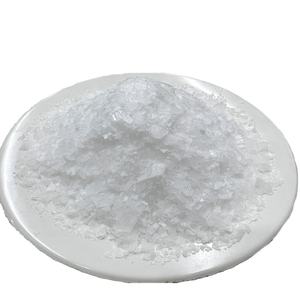
Hydroxypropyl Methyl Cellulose HPMC E5 E15 Chemical CAS 9004 65 3
