Malpezaj Konkretaj Aldonaĵoj | Alt-Efikecaj Ŝaŭmaj Agentoj por Ĉela Betono


PRODUCT PARAMETROJ
Priskribo
Introduction to Hydroxypropyl Methyl Cellulose HPMC Maintaining Water in Lime Plaster CAS 9004 65 3
Hidroksipropil-metilcelulozo (HPMC), kies ĉina nomo estas hidroksipropilmetilcelulozo, estas duonsinteza, ne-jona celuloza etero akirita per kemie modifado de natura celulozo. Ĉi tiu blanka pulvoro povas formi travideblan viskozan solvon post solvado en akvo. Ĝi havas bonegan dikiĝon, reteno de akvo, stabileco kaj filmoformaj propraĵoj. Ĝi estas nemalhavebla multfunkcia aldonaĵo en multaj kampoj kiel konstruo.
Characteristics and advantages of Hydroxypropyl Methyl Cellulose HPMC Maintaining Water in Lime Plaster CAS 9004 65 3
Bonega akvosolvebleco: Ĝi povas esti rapide solvita en malvarma akvo por formi klaran kaj stabilan solvon.
Efika kapablo de dikiĝo kaj reteno de akvo: Pliigu la viskozecon de la materialo, efike redukti akvovaporiĝon, kaj plibonigi laborefikecon.
Bona stabileco: Ĝi havas bonan stabilecon al acidoj, alkaloj, kaj saloj, kaj taŭgas por larĝa gamo de pH-valoroj.
Filmformaj kaj protektaj efikoj: Post sekiĝo, ĝi formas malmolan kaj travideblan filmon por protekti la substraton kaj malhelpi akvopenetron kaj vaporiĝon.
Ne-toksa kaj ne-irita: Ĝi havas bonan biokongruecon kaj taŭgas por la kampoj de medicino kaj manĝaĵo.
Alĝustigebleco: Ŝanĝante la gradon de anstataŭigo kaj molekula pezo, ĝia agado povas esti ĝustigita por renkonti malsamajn aplikajn postulojn.

Specifications of Hydroxypropyl Methyl Cellulose HPMC Maintaining Water in Lime Plaster CAS 9004 65 3
Hidroksipropilmetilcelulozo (HPMC) por Lime Plaster– Water Retention Grade
Produkta Resumo
Ĉi tiu Hidroksipropila Metil Celulozo (HPMC) is specifically made to enhance water retention in lime-based plasters. It aids maintain moisture in the mix much longer, which provides the plaster more time to establish appropriately. Great water retention suggests better workability, pli forta ligo, and fewer cracks.
CAS-Numero: 9004-65-3
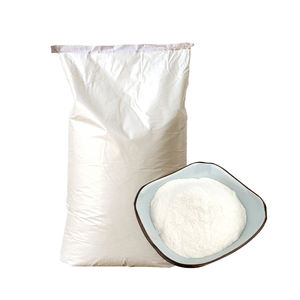
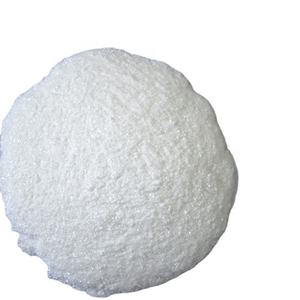
Rigardu: Blanka ĝis flavgriza liberflua pulvoro
Pureco: ≥ 99%.
Wetness Web enhavo: ≤ 5%.
pH (2% rimedo): 6.0– 8.0.
Dikeco (2% solvo ĉe 20 °C): 4,000– 100,000 mPa · s (varias laŭ kvalito).
Hidroksipropila Materialo: 4– 12%.
Metoksila Enhavo: 19– 30%.
Gela Temperaturo-nivelo: 58– 75 °C.
Ŝlosilaj Trajtoj
This HPMC dissolves easily in chilly water. It does not create lumps when mixed appropriately. The item stays stable over a wide variety of temperature levels. It functions well with other usual ingredients used in lime plaster formulas.
The high water retention capability slows down water loss throughout drying. This is important because lime plaster requires wetness to carbonate totally. Sen sufiĉe da akvo, the plaster may compromise or break.
HPMC additionally enhances the appearance of the mix. It makes the plaster smoother and less complicated to spread out. Employees can use it with less initiative, and the finish looks extra also.
Manipulado kaj Stokado spaco
Aĉetu la pulvoron laŭmoda, seka loko. Keep it away from wetness and direct sunlight. Uzu puran, completely dry devices when handling the item. Unufoje malfermita, secure the bag tightly to stop clumping.
This HPMC fulfills conventional top quality needs for construction-grade cellulose ethers. It is non-toxic and risk-free for use in structure products when managed as directed.

Applications of Hydroxypropyl Methyl Cellulose HPMC Maintaining Water in Lime Plaster CAS 9004 65 3
Aplikoj de Hidroksipropil Metil Celulozo (HPMC) in Lime Plaster
Kial Akvo-Retenado-Problemoj
Lime plaster requires adequate water to treat appropriately. Sen ĝi, the plaster dries out as well fast. This brings about weak points, fendoj, and bad adhesion. Hidroksipropilmetilcelulozo (HPMC), kun CAS-numero 9004-65-3, solves this issue by holding water in the mix.
Just How HPMC Works
HPMC estas blanka pulvoro farita el natura celulozo. When blended right into lime plaster, it forms a thin film around fragments. This movie slows down water loss. The plaster stays damp longer, providing lime time to react totally with co2 airborne. That response is essential to toughness and toughness.
Key Benefits in Practice
Building contractors use HPMC since it makes work much easier. The plaster stays smooth and spreadable for more time. It additionally sticks much better to walls, even on completely dry or porous surfaces. Much less water loss means less fractures after drying out. This reduces repair work and remodel.
HPMC also boosts the texture of the mix. It decreases sagging on upright surfaces. That assists employees apply also coats without slumping or gliding. The final finish looks cleaner and more consistent.
Trustworthy Efficiency Throughout Conditions
HPMC functions well in different climate. In warm or windy conditions, water vaporizes quickly. HPMC counters that effect. Vintre, it still sustains constant healing. This uniformity provides specialists confidence regardless of the period.
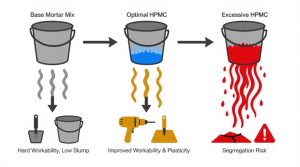
The correct amount of HPMC depends upon the plaster formula and work website requirements. Too little will not help sufficient. Tro multe povas fari la miksaĵon glueca aŭ malrapida fiksiĝi. A lot of producers recommend 0.2% al 0.5% by weight of complete dry active ingredients.
Making use of high-purity HPMC with CAS 9004-65-3 makes certain stable outcomes. Ĝi miksiĝas facile, liquifies fully, and does not influence the shade or breathability of lime plaster– essential traits for historic restoration and environmentally friendly builds.
Kompanio Profilo
Ni estas la tutmonda gvidanto en malpeza betono kaj altnivelaj inĝenieritaj ŝaŭmaj solvoj. Konata tutmonde pro sia engaĝiĝo al esplorado, novigado, kaj aplikata kompetenteco, ni provizas inĝenierajn ŝaŭmajn solvojn ekde la fruaj 2012-aj jaroj.
Ni povas provizi altkvalitan betonan miksaĵon kaj ŝaŭman betonajn rilatajn produktojn tra la tuta mondo.
La kompanio havas profesian teknikan fakon kaj superkvalitan fakon, bone ekipita laboratorio, kaj ekipita per altnivela testa ekipaĵo kaj post-venda klientserva centro.
Se vi interesiĝas, bonvolu senti vin libera kaj kontakti nin.
Pago
T/T, Okcidenta Unio, Paypal, Kreditkarto ktp.
Sendo
Per aero, per maro, per ekspreso, kiel klientoj petas.
5 FAQs of Hydroxypropyl Methyl Cellulose HPMC Maintaining Water in Lime Plaster CAS 9004 65 3
Frequently Asked Questions About HPMC in Lime Plaster
What is HPMC and why is it used in lime plaster?
HPMC signifas Hidroksipropilmetilcelulozon. Ĝi estas blanka pulvoro farita el natura celulozo. Builders add it to lime plaster to help the mix hold water longer. This gives workers more time to apply and smooth the plaster before it starts to dry.
Kiel HPMC plibonigas akvoretenon?
HPMC forms a thin film in the wet plaster. Ĉi tiu filmo malrapidigas kiom rapide akvo forlasas la miksaĵon. Good water retention means the lime can fully react with carbon dioxide in the air. That reaction is needed for the plaster to harden properly and become strong.
Will HPMC affect the final look or feel of the plaster?
Ne. Kiam uzata en la ĝusta kvanto, HPMC does not change the color, teksturo, or breathability of lime plaster. It works behind the scenes during application and curing. After the plaster dries, you cannot tell HPMC was ever added.
How much HPMC should be added to lime plaster?
The typical dose is between 0.2% kaj 0.5% of the total dry weight of the mix. The exact amount depends on the type of lime, sablo, and working conditions. Tro malmulte eble ne sufiĉe helpas. Tro multe povas fari la miksaĵon glueca aŭ malrapida sekiĝo. Ĉiam sekvu la produktajn instrukciojn aŭ unue provu malgrandajn arojn.
Is HPMC safe to use in historic or eco-friendly buildings?
Jes. HPMC estas netoksa, biodiserigebla, and compatible with traditional lime systems. It does not harm old masonry and supports vapor permeability—important for heritage and sustainable builds. Many conservation projects use HPMC-modified lime plasters without issues.
PETU KITTON
RELATAJ PRODUTOJ
Hydroxypropyl Methyl Cellulose HPMC Cheap with Good Quality Equivalent to Tylose and Walocel Sample Provided

Hot Product High Quality Wall Putty Hydroxypropyl Methyl Cellulose HPMC Industrial
MP 4M 3000 mPas Low Viscosity HPMC For Ceramic Extrusion Direct

BK viscosity 30,000mpas concrete admixture raw material white powder HPMC in construction field
Ĉina Fabriko Produktas Konstruan Gradan Industrian Detergenton Hydroxypropyl Metil Celulozo HPMC 9004 65 3