


Aditivos ligeros para hormigón | Agentes espumantes de alto rendimiento para hormigón celular

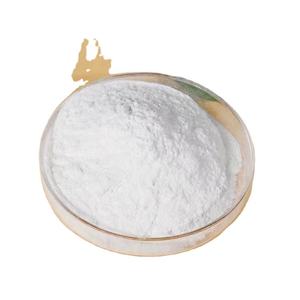
PARÁMETROS DEL PRODUCTO
Descripción
Overview of Concrete Admixture PVA Fiber for High Toughness Concrete in Impact Resistant Applications
Concrete Admixture PVA Fiber for High Toughness Concrete in Impact Resistant Applications is chemical compounds added to concrete mixtures to improve various properties of the material, como la trabajabilidad, fortaleza, durabilidad, y tiempo de curado. Estos aditivos incluyen plastificantes., retardadores, aceleradores, agentes impermeabilizantes, y agentes incorporadores de aire, cada uno diseñado para satisfacer necesidades específicas en la producción de concreto. Los aditivos para concreto se usan comúnmente tanto en la construcción comercial como residencial., así como en la producción de hormigón prefabricado y premezclado.. Mejorando el rendimiento y la calidad del hormigón., Estos aditivos ayudan a mejorar la eficiencia general de los proyectos de construcción al tiempo que garantizan la durabilidad y longevidad de la estructura terminada.. Son fáciles de incorporar a la mezcla y brindan soluciones rentables para optimizar las propiedades del concreto en una amplia gama de aplicaciones..
Characteristics of Concrete Admixture PVA Fiber for High Toughness Concrete in Impact Resistant Applications
Fuerza mejorada: Los aditivos para hormigón pueden aumentar significativamente la resistencia a la compresión del hormigón., haciéndolo más resistente a la presión y el estrés. Esto asegura la longevidad y durabilidad de las estructuras., reduciendo la probabilidad de grietas o fallas.
Trabajabilidad mejorada: Los aditivos como plastificantes y superplastificantes mejoran la fluidez y consistencia del hormigón., haciendo que sea más fácil de manejar, derramar, y terminar. Esto mejora la productividad en el sitio de construcción y reduce los costos laborales..
Curado más rápido: Aceleradores, un tipo de aditivo para hormigón, ayudar a acelerar el proceso de curado, permitiendo tiempos de configuración más rápidos y una finalización más rápida de los proyectos. Esto es especialmente útil en climas fríos o cuando se aceleran los plazos de construcción..
Mayor durabilidad: Muchos aditivos, como agentes reductores de agua y compuestos impermeabilizantes, aumentar la resistencia del hormigón a condiciones ambientales adversas, como los ciclos de congelación y descongelación., entrada de agua, y exposición química, asegurando el rendimiento a largo plazo.
Mejor adherencia y unión: Ciertos aditivos mejoran la unión entre el hormigón y otros materiales., como acero de refuerzo o agregados, mejorar la integridad estructural general y reducir las posibilidades de delaminación o separación.
Versatilidad para diversas aplicaciones: Los aditivos para hormigón son muy versátiles y se pueden utilizar en una amplia gama de aplicaciones., desde edificios residenciales hasta proyectos de infraestructura a gran escala. Están formulados para satisfacer necesidades específicas como el hormigón de alta resistencia., hormigón autocompactante, u hormigón duradero para condiciones extremas.
Rentable: Mejorando la calidad y el rendimiento del hormigón., Los aditivos reducen la necesidad de mantenimiento y reparaciones adicionales., lo que conduce a importantes ahorros de costes a largo plazo. Además, ayudan a optimizar el diseño de la mezcla, reducir el desperdicio de materiales.
Respetuoso con el medio ambiente: Muchos aditivos para hormigón modernos están formulados con ingredientes ecológicos., Contribuir a prácticas de construcción más sostenibles.. Estos aditivos ayudan a minimizar la huella de carbono y mejorar el comportamiento medioambiental del hormigón..
Acabado superficial mejorado: Los aditivos como los agentes inclusores de aire pueden mejorar el acabado y la apariencia del concreto al prevenir defectos como el agrietamiento., panal, o quitar el polvo de la superficie, asegurando un suave, superficie de calidad profesional.

Specification of Concrete Admixture PVA Fiber for High Toughness Concrete in Impact Resistant Applications
Requirements of Concrete Admixture PVA Fiber for High Strength Concrete in Effect Resistant Applications
Introducción del producto
fibra de PVA is an artificial polymer fiber utilized to enhance the toughness and durability of concrete. It functions well in structures that need to withstand unexpected effects, such as blast-resistant walls, pisos comerciales, and protective obstacles. The fibers mix evenly right into the concrete matrix and aid manage splitting from the beginning.
Características clave
Este fibra de PVA has high tensile stamina and strong bonding with cement paste. It does not wear away, putrefacción, or deteriorate in time. Las fibras son finas y cortas., which allows them to spread easily during mixing without clumping. They also decrease shrinkage cracks and increase power absorption when the concrete is hit or stressed suddenly.
Especificaciones técnicas
– Producto: alcohol polivinílico (PVA).
– Tamaño: 6 mm a 12 milímetros.
– Tamaño: 20– 40 micrones.
– Resistencia a la tracción: ≥ 1,200 MPa.
– Módulo flexible: ≥ 30 promedio de calificaciones.
– Elongación de rotura: 6% ± 2%.
– Densidad: 1.3 g/cm SEIS.
– Resistencia a los álcalis: Exceptional– maintains performance in high-pH concrete atmospheres.
Pautas de uso
Agregar fibra de PVA at a dosage of 0.5% a 2.0% by volume of total concrete mix. Use conventional concrete blending tools. Mezclar por un mínimo de 3– 5 mins after fiber enhancement to ensure even distribution. No special handling or healing methods are required. The fiber collaborates with all typical concrete types and other admixtures.
Ventajas de eficiencia
Concrete with fibra de PVA programs much better post-crack habits. It holds with each other also after first cracking, which improves safety and security and life span. The product also enhances flexural toughness and impact resistance without minimizing workability. This makes it excellent for applications where structural stability under dynamic lots is crucial.
Applications of Concrete Admixture PVA Fiber for High Toughness Concrete in Impact Resistant Applications
Applications of Concrete Admixture PVA Fiber for High Toughness Concrete in Impact Resistant Applications
Why PVA Fiber Issues
PVA (alcohol polivinílico) fiber is a synthetic admixture contributed to concrete to considerably enhance its toughness and resistance to abrupt pressures. Unlike simple concrete, which fractures conveniently under impact, PVA fiber-reinforced concrete holds together also after fracturing. This makes it perfect for structures that should withstand shocks, blasts, or heavy dynamic tons.
Trick Utilizes in Real-World Projects
Industrial floors gain from PVA fibers since they reduce surface area wear and protect against spalling under hefty machinery or forklift traffic. The fibers help the slab absorb power without damaging apart.
Tunnel linings usually utilize this sort of concrete. Rock bursts or ground changes can create abrupt pressure. PVA fibers keep the lining intact, protecting employees and tools inside.
En army and safety construction, walls and barriers made with PVA fiber concrete deal much better defense versus surges or ballistic effects. The material deforms slightly instead of ruining, which conserves lives and limits damage.
Aspectos prefabricados like bridge light beams or accident obstacles additionally gain toughness and ductility from PVA fibers. They manage transport stress and on-site installation far better than traditional mixes.
Ventajas de rendimiento
PVA fibers are great, distribuido uniformemente, and bond well with concrete paste. This produces a thick inner network that quits small cracks from expanding. The result is concrete that flexes a little prior to failing– unlike breakable basic blends.
Water absorption remains reduced, so toughness enhances in wet or freeze-thaw atmospheres. The fibers do not corrode, unlike steel choices, making maintenance much easier with time.
Home builders pick PVA fiber concrete when safety and security, durabilidad, and efficiency under anxiety are leading concerns. It works accurately across lots of demanding applications without complicated changes to basic mixing or pouring methods.
Perfil de la empresa
Somos el líder mundial en soluciones de concreto liviano y espuma de ingeniería avanzada.. Conocida mundialmente por su compromiso con la investigación, innovación, y experiencia aplicada, Hemos estado brindando soluciones de espuma de ingeniería desde principios de 2012..
Podemos suministrar aditivos para hormigón y productos relacionados con hormigón celular de alta calidad en todo el mundo..
La empresa cuenta con un departamento técnico profesional y un departamento de supervisión de calidad., un laboratorio bien equipado, y equipado con equipos de prueba avanzados y centro de servicio al cliente posventa.
Si estas interesado, por favor siéntete libre y contáctanos.
Pago
T/T, Western Union, PayPal, Tarjeta de crédito, etc..
Envío
En avión, por mar, por expreso, como los clientes lo solicitan.
5 FAQs of Concrete Admixture PVA Fiber for High Toughness Concrete in Impact Resistant Applications
Frequently Asked Questions About PVA Fiber for High-Toughness Concrete
What is PVA fiber used for in concrete?
PVA fiber is added to concrete to improve its toughness and resistance to impact. It helps control cracking and increases the material’s ability to absorb energy without breaking. Esto lo hace ideal para pisos., túneles, blast-resistant walls, and other structures that face heavy loads or sudden forces.
How does PVA fiber make concrete tougher?
Cuando se mezcla con concreto, PVA fibers spread evenly throughout the mix. They act like tiny reinforcements that hold the concrete together after cracks form. Esto evita que las pequeñas grietas se conviertan en grandes.. The result is a more ductile and damage-tolerant material that bends slightly instead of shattering.
Is PVA fiber better than steel or polypropylene fiber?
PVA fiber offers a balance of strength, flexibilidad, y durabilidad. A diferencia del acero, it does not rust. Compared to polypropylene, it bonds better with cement and provides higher tensile strength. For applications needing long-term performance under impact or fatigue, PVA often delivers superior results.
How much PVA fiber should be added to concrete?
Las dosis típicas varían desde 0.5% a 2.0% por volumen de la mezcla total. The exact amount depends on the project’s design requirements. Higher dosages increase toughness but may affect workability. Always follow the manufacturer’s guidelines and test mixes before full-scale use.
Does PVA fiber affect how concrete is placed or finished?
PVA fiber blends well with standard mixing methods. It does not clump if properly dispersed. Finishing remains similar to regular concrete, though surface texture may show fine fibers. No se necesitan herramientas especiales, but good mixing ensures even distribution and optimal performance.
SOLICITAR COTIZACIÓN
PRODUCTOS RELACIONADOS

Agente auxiliar químico profesional VAE RDP Mezcla de hormigón para mortero de cemento para adhesivo para azulejos
Factory Special Release Agent for Concrete Products Mold Water-based Concrete Release Agent liquid

Aditivo para hormigón de óxido de grafeno de alta pureza para el control inteligente del estado estructural y del hormigón
Maquinaria de hormigón zoomlion/PM/sch bomba de pluma de hormigón tubo reductor de doble pared

Aditivo para hormigón HPMC de alta viscosidad para lechadas de azulejos y rellenos de juntas a base de cemento
