


Additifs légers pour béton | Agents moussants haute performance pour béton cellulaire


PARAMÈTRES DU PRODUIT
Description
Overview of Concrete Admixture Polypropylene Monofilament Fiber for Early Age Crack Prevention
Concrete Admixture Polypropylene Monofilament Fiber for Early Age Crack Prevention is chemical compounds added to concrete mixtures to improve various properties of the material, comme la maniabilité, force, durabilité, et temps de durcissement. Ces additifs comprennent des plastifiants, ralentisseurs, accélérateurs, agents imperméabilisants, et agents entraîneurs d'air, chacun conçu pour répondre à des besoins spécifiques dans la production de béton. Les additifs pour béton sont couramment utilisés dans la construction commerciale et résidentielle., ainsi que dans la production de béton préfabriqué et prêt à l'emploi. En améliorant la performance et la qualité du béton, ces additifs contribuent à améliorer l'efficacité globale des projets de construction tout en assurant la durabilité et la longévité de la structure finie. Ils sont faciles à incorporer au mélange et fournissent des solutions rentables pour optimiser les propriétés du béton dans une large gamme d'applications..
Characteristics of Concrete Admixture Polypropylene Monofilament Fiber for Early Age Crack Prevention
Force améliorée: Les additifs pour béton peuvent augmenter considérablement la résistance à la compression du béton, le rendant plus résistant à la pression et au stress. Cela garantit la longévité et la durabilité des structures, réduisant le risque de fissuration ou de défaillance.
Maniabilité améliorée: Les additifs tels que les plastifiants et les superplastifiants améliorent la fluidité et la consistance du béton, ce qui facilite la manipulation, verser, et terminer. Cela améliore la productivité sur le chantier de construction et réduit les coûts de main-d'œuvre.
Durcissement plus rapide: Accélérateurs, un type d'additif pour béton, aider à accélérer le processus de durcissement, permettant des temps de prise plus rapides et une réalisation plus rapide des projets. Ceci est particulièrement utile par temps froid ou lorsque les délais de construction sont accélérés..
Durabilité accrue: De nombreux additifs, comme les agents réducteurs d’eau et les composés imperméabilisants, augmenter la résistance du béton aux conditions environnementales difficiles telles que les cycles de gel-dégel, entrée d'eau, et exposition chimique, garantir des performances à long terme.
Meilleure adhérence et liaison: Certains additifs améliorent l'adhérence entre le béton et d'autres matériaux, comme l'acier d'armature ou les granulats, améliorant l'intégrité structurelle globale et réduisant les risques de délaminage ou de séparation.
Polyvalence pour diverses applications: Les additifs pour béton sont très polyvalents et peuvent être utilisés dans un large éventail d'applications, des bâtiments résidentiels aux projets d’infrastructures à grande échelle. Ils sont formulés pour répondre à des besoins spécifiques tels que les bétons à haute résistance, béton autoplaçant, ou béton durable pour conditions extrêmes.
Rentable: En améliorant la qualité et la performance du béton, les additifs réduisent le besoin d’entretien et de réparations supplémentaires, conduisant à des économies de coûts significatives à long terme. En plus, ils aident à optimiser la conception du mélange, réduire le gaspillage de matériaux.
Respectueux de l'environnement: De nombreux additifs modernes pour béton sont formulés avec des ingrédients respectueux de l'environnement., contribuer à des pratiques de construction plus durables. Ces additifs contribuent à minimiser l'empreinte carbone et à améliorer la performance environnementale du béton..
Finition de surface améliorée: Les additifs tels que les agents entraîneurs d'air peuvent améliorer la finition et l'apparence du béton en empêchant les défauts comme les fissures., nid d'abeilles, ou dépoussiérage de surface, assurer un déroulement fluide, surface de qualité professionnelle.

Specification of Concrete Admixture Polypropylene Monofilament Fiber for Early Age Crack Prevention
Spécification de l'adjuvant pour béton: Polypropylene Monofilament Fiber for Early Age Fracture Avoidance
Présentation de l'article
Polypropylene monofilament fiber is a synthetic additive made use of in concrete to reduce very early age fracturing. It works by creating a consistent network inside the concrete mix. This network holds the material with each other throughout the very first hours after placement, when shrinkage and temperature modifications often cause cracks.
Caractéristiques astucieuses
La fibre est composée de 100% polypropylène. Il résiste aux alcalis, humidité, and common chemicals found in concrete. Each filament has a smooth surface and regular size, généralement entre 18 et 48 microns. The normal size ranges from 6 mm à 19 mm. These measurements aid the fibers spread equally without clumping.
Comment ça fonctionne
Lorsqu'il est mélangé directement dans du béton frais, the fibers disperse throughout the set. As the concrete collections and starts to diminish, interior tensions accumulate. The fibers bridge micro-cracks before they enlarge. This action improves the concrete’s toughness and lowers surface area cracking during treating.
Avantages en termes de performances
Utilizing this fiber raises resistance to plastic shrinking fractures. It also boosts effect stamina and aids control split size in solidified concrete. Les fibres ne rouillent pas, ils durent donc aussi longtemps que le béton lui-même. They work with all conventional cement types and other admixtures like water reducers or air-entraining agents.
Posologie recommandée
Ajouter 0.6 kg à 1.0 kg de fibres par mètre cube de béton (concerning 1.0 à 1.7 pounds per cubic backyard). Mélanger pendant au moins 3 à 5 mins after including the fibers to ensure complete dispersion. Aucun outil spécial n'est requis– standard batching and blending procedures work well.
Applications
This fiber fits slabs-on-grade, trottoirs, sols commerciaux, béton projeté, aspects préfabriqués, et les murs. It is particularly helpful where fast drying out or high very early contraction is expected.
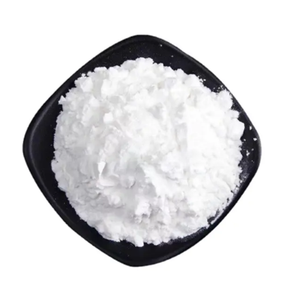
Applications of Concrete Admixture Polypropylene Monofilament Fiber for Early Age Crack Prevention
Applications de l'adjuvant pour béton: Polypropylene Monofilament Fiber for Early Age Fracture Prevention
Why Early Splitting Happens
Fresh concrete sheds water quickly after positioning. This drying reasons contraction. Contraction develops internal tension. When stress accumulates much faster than the concrete gains stamina, splits form. These very early age cracks compromise the framework and let in wetness, produits chimiques, and various other dangerous elements.
Just How Polypropylene Monofilament Fiber Helps
Including polypropylene monofilament fiber to the concrete mix tackles this issue at the resource. Les fibres sont réparties uniformément dans tout le mélange. They imitate a concealed support network inside the concrete. As the concrete starts to diminish, the fibers hold the product with each other. They link little voids before they turn into visible cracks.
Où il est utilisé
This admixture functions well in numerous typical applications. It is ideal for slabs-on-grade, revêtements de sol commerciaux, trottoirs, and property driveways. Professionals additionally utilize it in wall surfaces, constructions, et éléments préfabriqués. Anywhere plastic shrinkage or negotiation fracturing is a problem, polypropylene monofilament fiber uses reputable protection.
Key Advantages at work Site
The fibers mix easily with conventional batching treatments. No unique devices or training is required. They do not clump or round up when added properly. The outcome is a much more consistent, crack-resistant concrete that requires much less repair work later. Builders conserve money and time due to the fact that surface ending up goes smoother and treating needs drop. Et aussi, the end product looks cleaner with less imperfections.
Une efficacité sur laquelle vous pouvez compter
Polypropylene monofilament fiber is chemically inert. It does not wear away or respond with cement. Its high tensile stamina and strong bond with the cement paste make it reliable also at reduced does. Over years of real-world use, it has confirmed its worth in boosting longevity and expanding life span– without altering just how teams put or finish concrete.
Profil de l'entreprise
Nous sommes le leader mondial des solutions avancées de béton léger et de mousse technique.. Connu mondialement pour son engagement en faveur de la recherche, innovation, et expertise appliquée, nous fournissons des solutions de mousse technique depuis le début des années 2012.
Nous pouvons fournir des adjuvants pour béton et des produits liés au béton mousse de haute qualité dans le monde entier..
L'entreprise dispose d'un département technique professionnel et d'un département de supervision de la qualité, un laboratoire bien équipé, et équipé d'un équipement de test avancé et d'un centre de service client après-vente.
Si vous êtes intéressé, n'hésitez pas et contactez-nous.
Paiement
T/T, Western union, Paypal, Carte de crédit, etc..
Expédition
Par avion, par la mer, par express, comme le demandent les clients.
5 FAQs of Concrete Admixture Polypropylene Monofilament Fiber for Early Age Crack Prevention
Foire aux questions: Polypropylene Monofilament Fiber for Concrete Crack Control
À quoi sert la fibre monofilament de polypropylène dans le béton?
This fiber is added to concrete mixes to reduce early-age cracking. It works by holding the concrete together as it dries and shrinks. The fibers create a network inside the mix that resists small cracks from forming or spreading.
Comment évite-t-il les fissures?
Quand le béton durcit, it naturally shrinks. This shrinkage can cause tiny cracks. Polypropylene fibers are evenly spread through the mix. They act like tiny reinforcements that absorb stress during shrinkage. This helps keep the surface intact during the first few hours and days after pouring.
Est-il facile de mélanger au béton?
Oui. Les fibres se dispersent bien dans un équipement de mélange standard. You add them during batching, tout comme les autres adjuvants. Aucun outil ou étape spécial n'est nécessaire. Un temps de mélange approprié garantit une distribution uniforme sans agglomération.
Cela affecte-t-il la résistance du béton?
It does not significantly change compressive strength. Cependant, it improves toughness and impact resistance. The main benefit is better control over plastic shrinkage cracks, not boosting load-bearing capacity.
Peut-il remplacer les renforts en acier?
Non. Polypropylene monofilament fiber is not a substitute for rebar or welded wire mesh. It only addresses early-age cracking due to drying and plastic shrinkage. Structural support still requires traditional steel reinforcement. Use the fiber as a complementary measure, not a replacement.
DEMANDER UN DEVIS
PRODUITS CONNEXES

Silica Fume Concrete Admixture for High Abrasion Resistance Concrete in Dam Spillways

Adjuvant concret d'hydroxypropylméthylcellulose HPMC pour la sous-couche auto-nivelante à base de ciment
Concrete Admixture PP Macro Synthetic Fiber for Replacement of Welded Wire Mesh in Slabs
Adjuvant liquide pour béton à base d'éther polycarboxylate pour béton à haute résistance dans les tours d'éoliennes

Agent moussant d'adjuvant pour béton à haute concentration pour blocs CLC et béton mousse de panneaux
