Additifs légers pour béton | Agents moussants haute performance pour béton cellulaire


PARAMÈTRES DU PRODUIT
Description
Introduction to Hydroxypropyl Methyl Cellulose HPMC for Cement Based Tile Mortars
Hydroxypropylméthylcellulose (HPMC), dont le nom chinois est hydroxypropylméthylcellulose, est un semi-synthétique, éther de cellulose non ionique obtenu par modification chimique de la cellulose naturelle. Cette poudre blanche peut former une solution visqueuse transparente après dissolution dans l'eau. Il a un excellent épaississement, rétention d'eau, stabilité et propriétés filmogènes. C'est un additif multifonctionnel indispensable dans de nombreux domaines comme le bâtiment.
Characteristics and advantages of Hydroxypropyl Methyl Cellulose HPMC for Cement Based Tile Mortars
Excellente solubilité dans l'eau: Il peut être rapidement dissous dans l'eau froide pour former une solution claire et stable.
Capacité efficace d’épaississement et de rétention d’eau: Augmente la viscosité du matériau, réduire efficacement l'évaporation de l'eau, et améliorer l'efficacité du travail.
Bonne stabilité: Il a une bonne stabilité aux acides, alcalis, et des sels, et convient à une large gamme de valeurs de pH.
Effets filmogènes et protecteurs: Après séchage, il forme un film résistant et transparent pour protéger le substrat et empêcher la pénétration de l'eau et l'évaporation.
Non toxique et non irritant: Il présente une bonne biocompatibilité et convient aux domaines médical et alimentaire..
Ajustabilité: En modifiant le degré de substitution et le poids moléculaire, ses performances peuvent être ajustées pour répondre aux différentes exigences des applications.

Specifications of Hydroxypropyl Methyl Cellulose HPMC for Cement Based Tile Mortars
Specs of Hydroxypropyl Methyl Cellulose (HPMC) for Cement-Based Tile Mortars
Apparence et forme physique
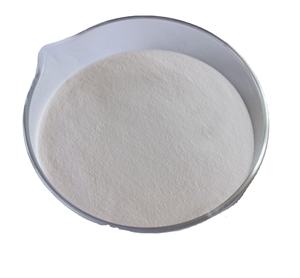
HPMC looks like a white or beige free-flowing powder. It has no noticeable smell and dissolves easily in chilly water to develop a clear, solution épaisse. The powder remains secure under typical storage problems.
Viscosity Array
The thickness of HPMC used in tile mortars normally drops between 40,000 et 100,000 mPa · s (mesuré à 2% concentration, 20 °C). This variety makes certain great workability and proper water retention during application.
Hydroxypropyl and Methoxyl Content
Requirement HPMC grades for cement-based ceramic tile adhesives have 19– 30% methoxyl teams and 4– 12% hydroxypropyl teams . These alternatives assist regulate solubility, boost film development, and boost compatibility with cementitious systems.
Teneur en humidité
Wetness content is maintained below 5% en poids. Reduced wetness avoids premature clumping and preserves regular efficiency during blending and treating.
Valeur du pH
UN 2% aqueous solution of HPMC shows a pH in between 6.0 et 8.0 . This neutral-to-slightly-alkaline variety avoids damaging reactions with various other mortar parts like Rose city cement or ingredients.
Contenu en cendres
Ash web content remains under 5%, indicating high purity and very little not natural deposits that could influence establishing time or bond strength.
Sieving and Particle Dimension
Sur 98% of the powder travels through a 100-mesh filter . Fine particle dimension ensures rapid diffusion and uniform circulation in dry-mix formulations.
Rétention d'eau
HPMC substantially boosts water retention– generally attaining ≥ 95% in basic tile mortar tests. This home reduces water loss to porous substratums, permitting complete cement hydration and strong adhesion.
Espace d'emballage et de stockage
HPMC is packed in multi-layer paper bags with internal polyethylene linings (normalement 25 kg per bag ). Faites vos achats au frais, completely dry area away from direct sunshine and dampness to protect flowability and performance.
Applications of Hydroxypropyl Methyl Cellulose HPMC for Cement Based Tile Mortars
Applications de l'hydroxypropylméthylcellulose (HPMC) in Cement-Based Floor Tile Mortars
Boosted Workability and Consistency
HPMC makes floor tile mortar easier to blend, étaler, and manage. It offers the fresh mortar a smooth, texture homogène. Workers can apply it evenly without additional initiative. This helps in reducing fatigue throughout long tiling tasks.
Meilleure rétention d'eau
Concrete requires water to solidify appropriately. Pas assez d'humidité, it dries out also quick and sheds strength. HPMC holds water inside the mortar longer. This makes certain complete concrete hydration, even on completely dry or porous surface areas like cinder block or old tiles.
More powerful Adhesion
Excellent bond keeps tiles firmly in place. HPMC increases the bond in between the mortar and the ceramic tile back, as well as the wall surface or floor underneath. This decreases the threat of floor tiles coming loose or falling off over time.
Minimized Drooping and Slippage
When mounting wall tiles, mortar have to stay put without sliding down. HPMC includes simply enough thickness to prevent drooping. Tiles remain where you put them, also on upright surface areas.
Temps ouvert prolongé
Tile setters commonly require added mins to change ceramic tile positions. HPMC slows down the drying procedure a little. This gives more time to align ceramic tiles correctly before the mortar starts to establish.
Split Resistance
As mortar dries, it can reduce and split. HPMC helps manage this shrinkage. The last layer remains undamaged with fewer hairline splits, which enhances both look and durability.
Consistent Efficiency in Various Conditions
Qu'il fasse chaud, sec, or damp, HPMC aids keep reputable mortar habits. Specialists obtain foreseeable outcomes work after job, despite weather or substratum type.
Profil de l'entreprise
Nous sommes le leader mondial des solutions avancées de béton léger et de mousse technique.. Connu mondialement pour son engagement en faveur de la recherche, innovation, et expertise appliquée, nous fournissons des solutions de mousse technique depuis le début des années 2012.
Nous pouvons fournir des adjuvants pour béton et des produits liés au béton mousse de haute qualité dans le monde entier..
L'entreprise dispose d'un département technique professionnel et d'un département de supervision de la qualité, un laboratoire bien équipé, et équipé d'un équipement de test avancé et d'un centre de service client après-vente.
Si vous êtes intéressé, n'hésitez pas et contactez-nous.
Paiement
T/T, Western union, Paypal, Carte de crédit, etc..
Expédition
Par avion, par la mer, par express, comme le demandent les clients.
5 FAQs of Hydroxypropyl Methyl Cellulose HPMC for Cement Based Tile Mortars
Frequently Asked Questions About HPMC in Cement-Based Tile Mortars
Qu'est-ce que le HPMC et pourquoi est-il utilisé dans les mortiers de carrelage?
HPMC signifie Hydroxypropylméthylcellulose. It is a white powder added to cement-based tile mortars. HPMC helps the mortar keep water longer. Cela donne aux travailleurs plus de temps pour placer correctement les carreaux.. Cela rend également le mélange plus lisse et plus facile à étaler..
Comment HPMC améliore-t-il la maniabilité?
HPMC agit comme un épaississant. It increases the stickiness of the wet mortar. This stops tiles from sliding down walls after placement. The mortar becomes easier to handle with a trowel. Workers can apply it evenly without extra effort.
Does HPMC affect the final strength of the mortar?
Non, HPMC does not reduce strength when used in the right amount. It only works during mixing and application. Once the mortar dries, HPMC does not interfere with cement hardening. Always follow the recommended dosage to avoid problems.
Can HPMC prevent cracks in tile mortar?
Oui, it helps reduce cracking. HPMC ralentit la perte d'eau du mortier. Cela permet au ciment de s'hydrater complètement et uniformément. Uniform drying means fewer shrinkage cracks. Good water retention also improves bond strength between tile and substrate.
Is HPMC safe to use in construction products?
HPMC is non-toxic and widely approved for building materials. Il ne dégage pas de vapeurs nocives. It is stable under normal storage and use conditions. Always store it in a dry place away from moisture to keep its quality.
DEMANDER UN DEVIS
PRODUITS CONNEXES

Additifs chimiques modifiés, éthers de cellulose, HPMC, utilisés dans les applications de lavage de la vaisselle, des rendus de plâtre, des machines à gypse

Factory Whole Construction Hpmc Capsules Chemical Thickening Additives Hydroxypropyl MethyCellulose HPMC
Hot Best mecellose hpmc powder chemical 200000 HPMC HPMC for tile adhesives with high bonding strength

HPMC poudre hydroxypropylméthylcellulose CAS 9004-65-3 HPMC

HPMC for Interior wall putty power paint waterproof spray paint/coating