Nā Pākuʻi Paʻa Māmā | Nā ʻĀpana Hoʻohuʻi Kiʻekiʻe no ka Kelepona Kelepona

NA PALAPALA HUA
wehewehe
Overview of Aluminum Foil Aerogel Thermal Insulation Blanket for Pipe and Duct Insulation
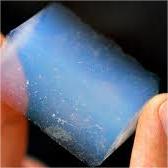
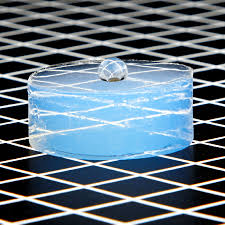
Aluminum Foil Aerogel Thermal Insulation Blanket for Pipe and Duct Insulation is a synthetic porous ultralight material derived from a gel, kahi i pani ʻia ai ka ʻāpana wai me ke kinoea. He paʻa ka hopena me ka haʻahaʻa haʻahaʻa haʻahaʻa a me ka haʻahaʻa haʻahaʻa haʻahaʻa, kapa pinepine ʻia “uahi hau.” ʻOiai kona ʻano palupalu, hiki ke hana ʻia i mea ikaika loa, e paʻa ana i ke poʻo inoa o nā mea paʻa insulating maikaʻi loa o ka honua.
Features of Aluminum Foil Aerogel Thermal Insulation Blanket for Pipe and Duct Insulation
-
ʻO ka haʻahaʻa haʻahaʻa loa o ka honua: Hāʻawi i ka hana insulation like ʻole, ʻoi loa aku ma mua o nā mea kahiko.
-
Haʻahaʻa haʻahaʻa loa: ʻO kekahi o nā mea paʻa māmā loa i ʻike ʻia e ke kanaka, me ka haku mele a hiki i 99.8% ea.
-
Wahi Kiekie: Loaʻa i kahi ʻāpana ili kūloko nui loa, i mea waiwai no ka kānana a me ka hoʻohana ʻana.
-
Hoʻohui like ʻole: Hiki ke hana ʻia mai nā mea like ʻole, me ka silika, kalapona, a me nā ʻokikene metala, kēlā me kēia me nā waiwai kūʻokoʻa.
-
Kūʻokoʻa Porosity: ʻO kāna ʻano nanoporous ke kuleana no kāna mau mana insulating koʻikoʻi.

Ka uhi ʻana o Airgel
Specifications of Aluminum Foil Aerogel Thermal Insulation Blanket for Pipe and Duct Insulation
Light Weight Aluminum Foil Aerogel Thermal Insulation Blanket– Pipe and Air Duct Insulation
Kikokikona
This insulation covering combines high-performance aerogel with a resilient light weight aluminum foil facing. It supplies exceptional thermal resistance in a thin, lightweight layout. The item works well for both hot and cold pipe and air duct systems.
mānoanoa: Loaʻa maʻalahi ma 6 mm, 10 mm, a 15 mm choices. Thinner profiles conserve space without compromising performance.
ʻO ka hoʻoili wela: As low as 0.018 W/(m · K) ma 25 ° C. This means it reduces warm move far better than many typical insulations of the same thickness.
Kaulana Mahana: Steady from -200 ° C i +650 ° C. Suitable for cryogenic lines, vapor pipelines, cooling and heating air ducts, and commercial exhaust systems.
Water Vapor Resistance: The aluminum foil layer serves as a built-in vapor obstacle. It helps protect against moisture build-up inside wall surfaces or around pipelines.
Fire Performance: Non-combustible and satisfies ASTM E84 Course A fire scores. It will not fuel flames or release harmful smoke when revealed to fire.
Mechanical Strength: Versatile yet solid. Easy to cut, wrap, and set up by hand. Holds its shape with time without sagging or pressing.
Deterioration Resistance: Will certainly not wear away steel pipes or ducts. Safe for usage with copper, kila, and stainless-steel surface areas.
Environmental Safety And Security: Consists Of no CFCs, HCFCs, or formaldehyde. Complies with RoHS and REACH criteria.
Installment is basic. Just wrap the covering around the pipeline or air duct, safeguard it with tape or clamps, and seal joints with light weight aluminum foil tape. ʻAʻole pono nā mea hana kūikawā. The smooth aluminum foil surface area likewise resists dust and is simple to clean. This makes upkeep rapid and easy in business and commercial setups.
Applications of Aluminum Foil Aerogel Thermal Insulation Blanket for Pipe and Duct Insulation
Aluminum Aluminum Foil Aerogel Thermal Insulation Blanket for Water Lines and Ducts
Superior Warm Protection in a Lightweight Style
The Aluminum Foil Aerogel Thermal Insulation Blanket delivers exceptional thermal performance for pipes, ducts, and various other commercial systems. It incorporates the ultra-low thermal conductivity of aerogel with a long lasting light weight aluminum foil facing. This produces a solid obstacle versus warm loss or gain.
Why it works so well
Aerogel is just one of the very best insulating products known today. Its nanostructure catches air in little pockets, reducing warm transfer. The outer layer of light weight aluminum foil reflects induction heat and adds mechanical stamina. Me kekahi i kekahi, they form a covering that withstands heats while remaining thin and light.
Fits limited spaces without shedding efficiency
Standard insulation usually requires thick layers to accomplish good results. This blanket accomplishes the very same– or better– efficiency in half the density. That makes it ideal for congested mechanical rooms, retrofit projects, or anywhere area is restricted.
Kūkulu ʻia e mau
The aluminum foil jacket secures the delicate aerogel core from moisture, abrasion, a me ka poino kino. It stands up well in rough atmospheres, including outside setups or areas with high moisture. The product does not deteriorate swiftly, so maintenance prices remain low.
Easy to install
Workers can reduce the covering with basic devices. It covers snugly around curved surfaces like pipelines and bends without voids. No unique training or tools is needed. This speeds up installment and reduces labor time.
Saves energy and money
By lowering warm loss in hot systems or heat gain in cool ones, this insulation aids centers use less power. Lower utility expenses comply with normally. Me ka manawa, the financial savings often exceed the initial investment.
This insulation remedy fulfills contemporary needs for efficiency, kūpaʻa, and convenience of use– without concession.
ʻO ka moʻolelo o ka hui
ʻO mākou ke alakaʻi o ka honua i nā ʻenehana māmā a me nā hoʻonā ʻenehana i hana ʻia. ʻIke ʻia ma ka honua holoʻokoʻa no kāna kūpaʻa i ka noiʻi, mea hou, a me ka ʻike noiʻi, ke hāʻawi nei mākou i nā hoʻonā ʻenehana i hana ʻia mai ka makahiki 2012.
Hiki iā mākou ke hāʻawi aku i ka hoʻohui ʻana i nā mea hoʻohui kiʻekiʻe kiʻekiʻe a me nā huahana pili i ka foam concrete a puni ka honua.
He keʻena ʻenehana ʻoihana a me ka ʻoihana kiaʻi maikaʻi ka hui, he hale hana i hoolako pono ia, a hoʻolako ʻia me nā lako hoʻāʻo kiʻekiʻe a me ke kikowaena lawelawe mea kūʻai aku ma hope o ke kūʻai aku.
Inā hoihoi ʻoe, e ʻoluʻolu a e hoʻokaʻaʻike mai iā mākou.
Uku
T/T, Hui Komohana, Paypal, Kāleka ʻaiʻē etc.
Hoʻouna
Ma ka lewa, ma ke kai, ma ka hoike, e like me ke noi a nā mea kūʻai aku.

5 FAQs of Aluminum Foil Aerogel Thermal Insulation Blanket for Pipe and Duct Insulation
What is Aluminum Foil Aerogel Thermal Insulation Blanket?
This blanket combines aerogel—the world’s lightest solid—with a reflective aluminum foil layer. It is made to wrap around pipes and ducts. The result is strong thermal protection in a thin, flexible form.
Why choose this blanket over traditional insulation?
Traditional materials like fiberglass or mineral wool are thick and bulky. This aerogel blanket gives better insulation with far less thickness. Kūʻē nō hoʻi i ka makū, does not absorb water, and keeps its performance over time. Installation is faster because it fits tightly without extra space.
Is it safe for use in HVAC and industrial systems?
ʻAe. The blanket meets fire safety standards and works well in both HVAC and high-temperature industrial settings. The aluminum foil layer reflects heat, while the aerogel core blocks heat transfer. It stays stable even at temperatures up to 650°C (1200°F).
How do I install it on pipes or ducts?
Cut the blanket to size using regular scissors or a utility knife. Wrap it snugly around the pipe or duct. Secure it with high-temperature tape or stainless steel bands. ʻAʻole pono nā mea hana kūikawā a i ʻole ke aʻo ʻana. The material conforms easily to curves and bends.
Does it help save energy?
ʻOiaʻiʻo. By reducing heat loss in hot pipes or preventing condensation on cold lines, it lowers energy use. Systems run more efficiently, which cuts operating costs. Ua holo ʻoi aʻe ka manawa, these savings add up—especially in large buildings or plants where piping runs are long.
NOI I KA PALAPALA
NA HUAKAI PILI

Low Thermal Conductivity Hydrophobic Aerogel Powder as Aerogel Insulating Plaster Additives
Hoʻopololei i ka Jacquard Spandex Polyester Airgel Yarn Fabric Thermal Insulation Abrasion Resistant no ka lole.

ʻO China Factory Whole s Ceramic Fiber Airgel Blanket for Insulation
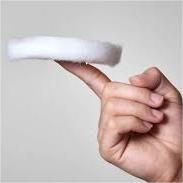
Revolutionize Your House Insulated with High Performance Aerogel Insulation Panels

Haʻahaʻa haʻahaʻa haʻahaʻa haʻahaʻa haʻahaʻa haʻahaʻa haʻahaʻa haʻahaʻa haʻahaʻa haʻahaʻa haʻahaʻa haʻahaʻa haʻahaʻa silicon dioxide airgel insulation blanket no ke kiʻekiʻe kiʻekiʻe o ka wela kūkulu hale