


Nā Pākuʻi Paʻa Māmā | Nā ʻĀpana Hoʻohuʻi Kiʻekiʻe no ka Kelepona Kelepona

NA PALAPALA HUA
wehewehe
Overview of Bitumen Coating Road Paving Material Fiberglass Geogrid Asphalt Reinforcement Fiberglass Geogrid
No ke kū'ē kiʻekiʻe, hāʻawi mākou i nā Fiber Steel, kahi mea hoʻololi kūpono no ka uwea welded mesh ma nā papahele ʻoihana a me nā mea hoʻolei mua. Hāʻawi pū mākou i nā Structural Synthetic Fibers kūikawā e hāʻawi ana i ka ikaika tensile kiʻekiʻe no nā noi noi.. Hoʻopuehu like ʻia kēia mau fiber i loko o ka hui ʻana, ka hoʻokumu ʻana i kahi pūnaewele hoʻoikaika nui i hiki ʻole ke hoʻokō i nā ʻano kuʻuna. Hoʻomaʻamaʻa kēia ʻano hoʻohui i ke kūkulu ʻana, hoʻokē hoʻokomo, a hoʻonui i ka pono holoʻokoʻa a me ka lōʻihi o ka lāʻau, hāʻawi ʻana i kahi pane hou i nā pilikia o ka wā kahiko a me ka lōʻihi.
Features of Bitumen Coating Road Paving Material Fiberglass Geogrid Asphalt Reinforcement Fiberglass Geogrid
1. ʻOi aku ka mana o ka māwae a me ka hoʻoikaika ʻana i ka lōʻihi:
ʻO ka hiʻohiʻona nui o kā mākou fibers ko lākou hiki ke hoʻopaʻa i nā micro-cracks ʻelua i hana ʻia i ka wā o ke kūlana plastik a me nā māwae nui aʻe i loko o ke koʻa paʻa.. Hoʻokumu kēia dispersion ʻekolu-dimensional i kahi matrix cohesive ʻoi aku ka pale ʻana i ka hoʻolaha ʻana. ʻO ka pōmaikaʻi pololei, he hōʻemi nui ia i ka ʻāʻī ʻana o ka plastic a me ka laula māwae lōʻihi. Ke alakaʻi nei kēia i ka ʻoi aku ka lōʻihi o ke koʻikoʻi me ka haʻahaʻa haʻahaʻa, ʻo ia ka mea e hoʻonui ai i ke kū'ē i ka wai komo, pōʻino hoʻoheheʻe, a me ka palahu o kekahi kila i hookomoia. ʻO ka hopena he hale me ka lōʻihi o ke ola lawelawe a hoʻemi ʻia nā kumukūʻai mālama.
2. Hoʻonui i ka hopena a me ka pale ʻana i ka abrasion:
Nā pulu, ʻoi aku ke kila a me nā fiber macro synthetic ikaika, hoʻomaikaʻi maikaʻi i ka paʻakikī o ke kaʻa a me ka hana ma hope o ka haki. Lawe lākou a puʻunaue i ka ikehu ma ka hopena a i ʻole ka hoʻouka ʻana. Hāʻawi kēia hiʻohiʻona i ka pōmaikaʻi o kahi ʻili kūpaʻa ʻoi aku ka liʻiliʻi o ka spalling, ʻokiʻoki, a me ka abrasion ma lalo o ke kaʻa nui a i ʻole ka lole mīkini. He waiwai koʻikoʻi kēia no nā papahele ʻoihana, hale kūʻai pavements, a me nā papahana hoʻolālā, e alakaʻi ana i kahi ʻili paʻakikī e mālama i kona kūpaʻa i ka manawa.
3. ʻO ka maikaʻi o ke kūkulu ʻana a me ka mālama kālā:
ʻO kahi hiʻohiʻona nui o ka hoʻohana ʻana i ka fiber reinforcement ʻo ka hoʻopau ʻana i ka uwea welded mesh (WWF) i nā noi he nui. Hāʻawi kēia i nā pōmaikaʻi nui ma ka pūnaewele: maʻalahi ka hoʻokomo, no ka mea, ʻaʻohe mesh e hoʻonohonoho ʻia a hiki ke hoʻoneʻe ʻia, a hoʻokēʻai i ke kaʻina hana holoʻokoʻa. Ma ka wehe ʻana i kahi hana koʻikoʻi, ʻike nā papahana i ka hōʻemi ʻana i nā kumukūʻai hana a me ka wikiwiki o ka manawa papahana. ʻO ka hāʻawi like ʻana o nā fibers e hōʻoiaʻiʻo i ka hoʻoikaika paʻa ʻana ma ka ʻāpana koneki holoʻokoʻa, like ole mesh, hiki ke waiho pono ole ia, alakaʻi i ka hana hilinaʻi a wānana.

Specification of Bitumen Coating Road Paving Material Fiberglass Geogrid Asphalt Reinforcement Fiberglass Geogrid
Fiberglass Geogrid for Asphalt Support
Strong Support for Durable Roads
This fiberglass geogrid is made to strengthen asphalt pavement. It aids stop splits from spreading out and makes roadway surfaces last longer. The material is developed with high-strength fiberglass yarns coated in unique asphalt. This finish lets the geogrid bond well with warm mix asphalt throughout paving.
Nā hiʻohiʻona huna
The geogrid withstands high temperatures made use of in asphalt laying. It remains stable under heavy traffic loads and does not extend or flaw quickly. Its open grid style enables asphalt to secure right into area, developing a solid composite layer. This improves lots circulation across the road base and lowers anxiety on weak points.
Maʻalahi e hoʻonohonoho
Employees can turn out the geogrid rapidly over existing pavement or base layers. It lies flat and sticks securely once covered with asphalt. ʻAʻole pono nā mea hana kūikawā. This conserves time and cuts labor expenses on site.
Sturdy Performance
The bitumen coating shields the fiberglass from wetness and chemicals in the road setting. It additionally stops damage throughout handling and installation. Me ka manawa, the geogrid maintains its strength and continues to sustain the pavement structure.
Hoʻohana maʻamau
This item works well in freeway overlays, airport terminal runways, kahua kaʻa, and hectic junctions. It is especially valuable where reflective fracturing is an issue. By including this geogrid, designers can expand life span and minimize future fixings.
The material fulfills conventional engineering demands for roadway reinforcement. It can be found in numerous sizes and roll lengths to fit different job demands. Each set is tested for tensile toughness, pale wela, and coating top quality to ensure regular efficiency.
Applications of Bitumen Coating Road Paving Material Fiberglass Geogrid Asphalt Reinforcement Fiberglass Geogrid
Applications of Fiberglass Geogrid in Asphalt Road Building
Solid Support for Asphalt Layers
Fiberglass geogrid is a vital material utilized to strengthen asphalt pavements. It is made from woven fiberglass strands covered with asphalt. This finishing shields the grid and assists it bond well with warm asphalt mix. When positioned in between pavement layers, the geogrid holds everything with each other. It stops cracks from spreading upward from old pavement right into new asphalt.
Taking Care Of Cracked Roadways Without Complete Replacement
Many roads create fractures over time. As opposed to tearing up the whole surface area, staffs lay fiberglass geogrid over the broken location. After that they add a fresh layer of asphalt ahead. The geogrid absorbs anxiety from website traffic and temperature level modifications. This method saves time and money. It additionally prolongs the road’s life by many years.
Structure New Roadways That Last Longer
During brand-new roadway construction, engineers place fiberglass geogrid right over the base layer. This provides extra stamina to the asphalt over. The grid spreads out heavy loads throughout a larger area. Ma muli o kēia, the pavement stands up to rutting and tiredness much better. Roadways developed in this manner take care of even more web traffic without damaging down promptly.
Usage in High-Stress Areas
Fiberglass geogrid works well at intersections, bus quits, and highway ramps. These spots get constant stopping, starting, and turning. That puts extra pressure on the pavement. The geogrid includes stability where it’s needed most. It keeps the asphalt from deforming under repeated tension.
Why Pick Bitumen-Coated Fiberglass Geogrid?
It stands up to warm, pulu, a me nā kemika. It does not stretch or reduce with temperature swings. Setup is fast and fits conveniently right into common paving process. Specialists trust it since it delivers actual efficiency with marginal inconvenience.
ʻO ka moʻolelo o ka hui
ʻO mākou ke alakaʻi o ka honua i nā ʻenehana māmā a me nā hoʻonā ʻenehana i hana ʻia. ʻIke ʻia ma ka honua holoʻokoʻa no kāna kūpaʻa i ka noiʻi, mea hou, a me ka ʻike noiʻi, ke hāʻawi nei mākou i nā hoʻonā ʻenehana i hana ʻia mai ka makahiki 2012.
Hiki iā mākou ke hāʻawi aku i ka hoʻohui ʻana i nā mea hoʻohui kiʻekiʻe kiʻekiʻe a me nā huahana pili i ka foam concrete a puni ka honua.
He keʻena ʻenehana ʻoihana a me ka ʻoihana kiaʻi maikaʻi ka hui, he hale hana i hoolako pono ia, a hoʻolako ʻia me nā lako hoʻāʻo kiʻekiʻe a me ke kikowaena lawelawe mea kūʻai aku ma hope o ke kūʻai aku.
Inā hoihoi ʻoe, e ʻoluʻolu a e hoʻokaʻaʻike mai iā mākou.
Uku
T/T, Hui Komohana, Paypal, Kāleka ʻaiʻē etc.
Hoʻouna
Ma ka lewa, ma ke kai, ma ka hoike, e like me ke noi a nā mea kūʻai aku.

5 FAQs of Bitumen Coating Road Paving Material Fiberglass Geogrid Asphalt Reinforcement Fiberglass Geogrid
Frequently Asked Questions About Fiberglass Geogrid for Asphalt Reinforcement
What is fiberglass geogrid used for in road paving?
Fiberglass geogrid strengthens asphalt layers. It helps stop cracks from spreading. This material works well under bitumen coating. It holds the road surface together and makes it last longer.
How does it improve road performance?
The geogrid spreads traffic load across a wider area. This reduces stress on the asphalt. Fewer cracks form over time. Roads stay smoother and need fewer repairs.
Can it be used with bitumen coating?
ʻAe. Fiberglass geogrid bonds well with bitumen. The coating sticks to the grid and seals it into the pavement. This creates a strong, waterproof layer that resists damage.
He paʻakikī ke kau ʻana?
ʻAʻole. Workers roll out the geogrid directly onto the prepared surface. Then they apply hot bitumen or asphalt on top. The process fits easily into standard paving steps. ʻAʻole pono nā mea hana kūikawā.
Why choose fiberglass over other materials?
Fiberglass does not stretch or rot. It handles high temperatures without weakening. It also resists chemicals and moisture. These traits make it more reliable than polyester or polypropylene grids in heavy-duty roads.
NOI I KA PALAPALA
NA HUAKAI PILI

Hoʻoikaika ʻia ʻo ka ʻili lāʻau ʻano lāʻau fiber sima
Smooth Fiberglass FRP Composite Plate Flat Panel Insulation Glass Reinforced Floor
Concrete Reinforcing Synthetic Polypropylene PP Macro Concrete Fiber for Concrete
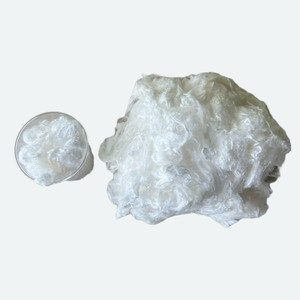
Supply PP Concrete Fiber 3mm 6mm 9mm Polypropylene Fibers for Reinforced Concrete and Shotcrete
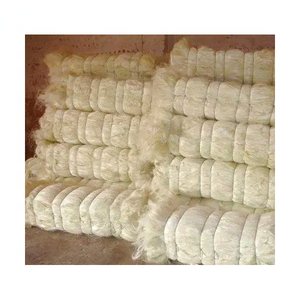
New Building Material Basalt Fiber Reinforcement Mesh for Strengthen Concrete
