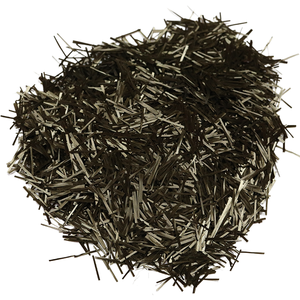
Nā Pākuʻi Paʻa Māmā | Nā ʻĀpana Hoʻohuʻi Kiʻekiʻe no ka Kelepona Kelepona


NA PALAPALA HUA
wehewehe
Overview of Concrete Additive Polypropylene PP Concrete Fiber Reinforcing Fiber for Cement
No ke kū'ē kiʻekiʻe, hāʻawi mākou i nā Fiber Steel, kahi mea hoʻololi kūpono no ka uwea welded mesh ma nā papahele ʻoihana a me nā mea hoʻolei mua. Hāʻawi pū mākou i nā Structural Synthetic Fibers kūikawā e hāʻawi ana i ka ikaika tensile kiʻekiʻe no nā noi noi.. Hoʻopuehu like ʻia kēia mau fiber i loko o ka hui ʻana, ka hoʻokumu ʻana i kahi pūnaewele hoʻoikaika nui i hiki ʻole ke hoʻokō i nā ʻano kuʻuna. Hoʻomaʻamaʻa kēia ʻano hoʻohui i ke kūkulu ʻana, hoʻokē hoʻokomo, a hoʻonui i ka pono holoʻokoʻa a me ka lōʻihi o ka lāʻau, hāʻawi ʻana i kahi pane hou i nā pilikia o ka wā kahiko a me ka lōʻihi.
Features of Concrete Additive Polypropylene PP Concrete Fiber Reinforcing Fiber for Cement
1. ʻOi aku ka mana o ka māwae a me ka hoʻoikaika ʻana i ka lōʻihi:
ʻO ka hiʻohiʻona nui o kā mākou fibers ko lākou hiki ke hoʻopaʻa i nā micro-cracks ʻelua i hana ʻia i ka wā o ke kūlana plastik a me nā māwae nui aʻe i loko o ke koʻa paʻa.. Hoʻokumu kēia dispersion ʻekolu-dimensional i kahi matrix cohesive ʻoi aku ka pale ʻana i ka hoʻolaha ʻana. ʻO ka pōmaikaʻi pololei, he hōʻemi nui ia i ka ʻāʻī ʻana o ka plastic a me ka laula māwae lōʻihi. Ke alakaʻi nei kēia i ka ʻoi aku ka lōʻihi o ke koʻikoʻi me ka haʻahaʻa haʻahaʻa, ʻo ia ka mea e hoʻonui ai i ke kū'ē i ka wai komo, pōʻino hoʻoheheʻe, a me ka palahu o kekahi kila i hookomoia. ʻO ka hopena he hale me ka lōʻihi o ke ola lawelawe a hoʻemi ʻia nā kumukūʻai mālama.
2. Hoʻonui i ka hopena a me ka pale ʻana i ka abrasion:
Nā pulu, ʻoi aku ke kila a me nā fiber macro synthetic ikaika, hoʻomaikaʻi maikaʻi i ka paʻakikī o ke kaʻa a me ka hana ma hope o ka haki. Lawe lākou a puʻunaue i ka ikehu ma ka hopena a i ʻole ka hoʻouka ʻana. Hāʻawi kēia hiʻohiʻona i ka pōmaikaʻi o kahi ʻili kūpaʻa ʻoi aku ka liʻiliʻi o ka spalling, ʻokiʻoki, a me ka abrasion ma lalo o ke kaʻa nui a i ʻole ka lole mīkini. He waiwai koʻikoʻi kēia no nā papahele ʻoihana, hale kūʻai pavements, a me nā papahana hoʻolālā, e alakaʻi ana i kahi ʻili paʻakikī e mālama i kona kūpaʻa i ka manawa.
3. ʻO ka maikaʻi o ke kūkulu ʻana a me ka mālama kālā:
ʻO kahi hiʻohiʻona nui o ka hoʻohana ʻana i ka fiber reinforcement ʻo ka hoʻopau ʻana i ka uwea welded mesh (WWF) i nā noi he nui. Hāʻawi kēia i nā pōmaikaʻi nui ma ka pūnaewele: maʻalahi ka hoʻokomo, no ka mea, ʻaʻohe mesh e hoʻonohonoho ʻia a hiki ke hoʻoneʻe ʻia, a hoʻokēʻai i ke kaʻina hana holoʻokoʻa. Ma ka wehe ʻana i kahi hana koʻikoʻi, ʻike nā papahana i ka hōʻemi ʻana i nā kumukūʻai hana a me ka wikiwiki o ka manawa papahana. ʻO ka hāʻawi like ʻana o nā fibers e hōʻoiaʻiʻo i ka hoʻoikaika paʻa ʻana ma ka ʻāpana koneki holoʻokoʻa, like ole mesh, hiki ke waiho pono ole ia, alakaʻi i ka hana hilinaʻi a wānana.

Specification of Concrete Additive Polypropylene PP Concrete Fiber Reinforcing Fiber for Cement
ʻO Polypropylene PP ʻO ka Fiber Concrete– Enhancing Fiber for Cement
He aha ia
Polypropylene PP puluniu kalapona is a synthetic fiber made from premium polypropylene. It is created to blend directly into concrete, moka, a i ʻole ke kaʻa. These fibers are fine, evenly sized, and resistant to antacids, pulu, and chemicals discovered in regular concrete atmospheres.
No ke aha e hoʻohana ai
Adding PP fibers helps manage cracking caused by plastic shrinkage throughout the onset of concrete drying. The fibers produce a three-dimensional network inside the mix. This network holds the product with each other and minimizes surface fractures. No laila, the end product ends up being much more sturdy and resilient.
Na Mea Malu
– Boosts durability: Concrete with PP fibers can better soak up impact and stand up to abrupt loads.
– Lowers splitting: Lessens hairline splits that commonly appear as concrete sets.
– Maʻalahi e hoʻohana: Just include the fibers during mixing– no special devices or actions required.
– ʻAʻohe ʻino: ʻAʻole like me nā kaula kila, PP fibers do not corrosion, so they will not discolor or deteriorate in time.
– Kūʻai maikaʻi: Offers solid performance at a lower price contrasted to other support approaches.
Pehea e hoʻohana pono ai
Include the recommended dose (typically 0.6– 1.0 kg no ka mika cubic) right into the concrete mixer along with various other ingredients. Hoʻohui no ka liʻiliʻi o 3– 5 minutes to ensure even distribution. The fibers spread quickly and do not glob when mixed appropriately. No adjustments to your conventional blending or pouring process are called for.
Nā noi maʻamau
PP concrete fibers function well in household pieces, alanui alanui, nā ala kaʻa, industrial floors, nā mea hana mua, stucco, pana pana, a me ka hamo. They are additionally made use of in jobs where appearances matter, since they assist keep a smooth, crack-free surface without including noticeable reinforcement.

Applications of Concrete Additive Polypropylene PP Concrete Fiber Reinforcing Fiber for Cement
Stronger Concrete with Polypropylene Fibers
He aha ia
Polypropylene (PP) concrete fiber is an artificial additive used to enhance the performance of cement-based products. These fibers are slim, long lasting hairs blended straight into concrete during batching. They do not change steel support yet work along with it to enhance total resilience.
Nā Pōmaikaʻi Nui
Reduces Breaking — PP fibers aid manage plastic shrinkage splits that create while concrete is still curing. This leads to a smoother, more uniform surface.
Increases Strength — Concrete with PP fibers stands up to influence and abrasion far better than plain concrete. It holds together even under anxiety or sudden tons.
Enhances Workability — The fibers distribute uniformly in the mix, making placement simpler without influencing slump or finish top quality.
Adds Long-Term Resilience — Frameworks last longer due to the fact that the fibers lower leaks in the structure, which decreases water and chemical penetration.
Kahi i hoʻohana ʻia ai
PP concrete fibers are optimal for several building and construction applications. They are generally contributed to:
– Industrial floors and stockroom pieces
– Pavements and driveways
– Shotcrete and sprayed concrete linings
– Precast concrete items
– Residential structures and flatwork
These fibers match both indoor and outdoor jobs. They perform well in severe weather and high-traffic areas.
Maʻalahi e hoʻohana
Adding PP fibers needs no special tools. Simply introduce them right into the mixer with various other components. Criterion mixing times make certain complete diffusion. No modifications to treating approaches or completing techniques are required. Service providers value the uncomplicated process and reputable results.
hilinaʻi i ka hana
Home builders pick polypropylene fibers because they supply constant top quality. The fibers fulfill international requirements for concrete reinforcement. ʻAʻole lākou ʻeleʻele, popopo, or degrade with time. This makes them a smart, economical option for modern construction demands.
ʻO ka moʻolelo o ka hui
ʻO mākou ke alakaʻi o ka honua i nā ʻenehana māmā a me nā hoʻonā ʻenehana i hana ʻia. ʻIke ʻia ma ka honua holoʻokoʻa no kāna kūpaʻa i ka noiʻi, mea hou, a me ka ʻike noiʻi, ke hāʻawi nei mākou i nā hoʻonā ʻenehana i hana ʻia mai ka makahiki 2012.
Hiki iā mākou ke hāʻawi aku i ka hoʻohui ʻana i nā mea hoʻohui kiʻekiʻe kiʻekiʻe a me nā huahana pili i ka foam concrete a puni ka honua.
He keʻena ʻenehana ʻoihana a me ka ʻoihana kiaʻi maikaʻi ka hui, he hale hana i hoolako pono ia, a hoʻolako ʻia me nā lako hoʻāʻo kiʻekiʻe a me ke kikowaena lawelawe mea kūʻai aku ma hope o ke kūʻai aku.
Inā hoihoi ʻoe, e ʻoluʻolu a e hoʻokaʻaʻike mai iā mākou.
Uku
T/T, Hui Komohana, Paypal, Kāleka ʻaiʻē etc.
Hoʻouna
Ma ka lewa, ma ke kai, ma ka hoike, e like me ke noi a nā mea kūʻai aku.
5 FAQs of Concrete Additive Polypropylene PP Concrete Fiber Reinforcing Fiber for Cement
Frequently Asked Questions About Polypropylene Concrete Fibers
What are polypropylene (PP) nā pulupulu lāʻau?
Polypropylene concrete fibers are thin synthetic strands added to cement mixtures. They help reduce cracking and improve the overall toughness of concrete. These fibers mix evenly into wet concrete and stay in place as it hardens.
Why should I use PP fibers in my concrete mix?
Adding PP fibers helps control shrinkage cracks that often appear as concrete dries. They also boost impact resistance and make the surface more durable. This is especially useful for slabs, nā paepae, and other flatwork where cracking is a common problem.
How do I add these fibers to concrete?
You can add the fibers directly into the mixer during batching. Just pour them in with the other materials—cement, one, ʻiliʻili, a me ka wai. Mix for a few extra minutes to ensure even distribution. ʻAʻole pono nā mea hana kūikawā a me nā ʻanuʻu.
Will PP fibers replace steel rebar or wire mesh?
ʻAʻole. PP fibers work differently than steel reinforcement. They handle small cracks and improve surface integrity but do not provide structural support like rebar. Use them together with traditional reinforcement when both crack control and load-bearing strength are required.
Are polypropylene fibers safe and easy to handle?
ʻAe. These fibers are non-toxic, corrosion-resistant, and safe to use. They do not rust or degrade in concrete. Workers can handle them without special protective gear. Storage is simple—just keep them dry and away from direct sunlight.
NOI I KA PALAPALA
NA HUAKAI PILI
PP Fiber no ka palaki, PP Staple Fiber, a me PP Fiber Machine: Nā mea hoʻonā piha pp staple fiber pp macro fiber
Hoʻoikaika Paʻa Polypropylene Macro Synthetic Fiber PP Fiber

Hot ing High Strength Corrosion Resistant Concrete Steel Concrete Fiber for Whole

Cheap 100 Percent Polypropylene Concrete Fiber Microfiber for Concrete Improve Quality and Extend Life
Hongshengyuan High Quality Polypropylene Fiber High-Strength Anti-Cracking Building Material Fiber Fabrication Services Product