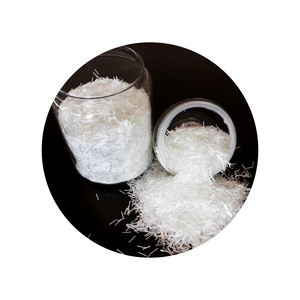
Nā Pākuʻi Paʻa Māmā | Nā ʻĀpana Hoʻohuʻi Kiʻekiʻe no ka Kelepona Kelepona


NA PALAPALA HUA
wehewehe
Overview of concrete construction reinforcement Carbon Fiber and epoxy resin carbon fiber fabric
No ke kū'ē kiʻekiʻe, hāʻawi mākou i nā Fiber Steel, kahi mea hoʻololi kūpono no ka uwea welded mesh ma nā papahele ʻoihana a me nā mea hoʻolei mua. Hāʻawi pū mākou i nā Structural Synthetic Fibers kūikawā e hāʻawi ana i ka ikaika tensile kiʻekiʻe no nā noi noi.. Hoʻopuehu like ʻia kēia mau fiber i loko o ka hui ʻana, ka hoʻokumu ʻana i kahi pūnaewele hoʻoikaika nui i hiki ʻole ke hoʻokō i nā ʻano kuʻuna. Hoʻomaʻamaʻa kēia ʻano hoʻohui i ke kūkulu ʻana, hoʻokē hoʻokomo, a hoʻonui i ka pono holoʻokoʻa a me ka lōʻihi o ka lāʻau, hāʻawi ʻana i kahi pane hou i nā pilikia o ka wā kahiko a me ka lōʻihi.
Features of concrete construction reinforcement Carbon Fiber and epoxy resin carbon fiber fabric
1. ʻOi aku ka mana o ka māwae a me ka hoʻoikaika ʻana i ka lōʻihi:
ʻO ka hiʻohiʻona nui o kā mākou fibers ko lākou hiki ke hoʻopaʻa i nā micro-cracks ʻelua i hana ʻia i ka wā o ke kūlana plastik a me nā māwae nui aʻe i loko o ke koʻa paʻa.. Hoʻokumu kēia dispersion ʻekolu-dimensional i kahi matrix cohesive ʻoi aku ka pale ʻana i ka hoʻolaha ʻana. ʻO ka pōmaikaʻi pololei, he hōʻemi nui ia i ka ʻāʻī ʻana o ka plastic a me ka laula māwae lōʻihi. Ke alakaʻi nei kēia i ka ʻoi aku ka lōʻihi o ke koʻikoʻi me ka haʻahaʻa haʻahaʻa, ʻo ia ka mea e hoʻonui ai i ke kū'ē i ka wai komo, pōʻino hoʻoheheʻe, a me ka palahu o kekahi kila i hookomoia. ʻO ka hopena he hale me ka lōʻihi o ke ola lawelawe a hoʻemi ʻia nā kumukūʻai mālama.
2. Hoʻonui i ka hopena a me ka pale ʻana i ka abrasion:
Nā pulu, ʻoi aku ke kila a me nā fiber macro synthetic ikaika, hoʻomaikaʻi maikaʻi i ka paʻakikī o ke kaʻa a me ka hana ma hope o ka haki. Lawe lākou a puʻunaue i ka ikehu ma ka hopena a i ʻole ka hoʻouka ʻana. Hāʻawi kēia hiʻohiʻona i ka pōmaikaʻi o kahi ʻili kūpaʻa ʻoi aku ka liʻiliʻi o ka spalling, ʻokiʻoki, a me ka abrasion ma lalo o ke kaʻa nui a i ʻole ka lole mīkini. He waiwai koʻikoʻi kēia no nā papahele ʻoihana, hale kūʻai pavements, a me nā papahana hoʻolālā, e alakaʻi ana i kahi ʻili paʻakikī e mālama i kona kūpaʻa i ka manawa.
3. ʻO ka maikaʻi o ke kūkulu ʻana a me ka mālama kālā:
ʻO kahi hiʻohiʻona nui o ka hoʻohana ʻana i ka fiber reinforcement ʻo ka hoʻopau ʻana i ka uwea welded mesh (WWF) i nā noi he nui. Hāʻawi kēia i nā pōmaikaʻi nui ma ka pūnaewele: maʻalahi ka hoʻokomo, no ka mea, ʻaʻohe mesh e hoʻonohonoho ʻia a hiki ke hoʻoneʻe ʻia, a hoʻokēʻai i ke kaʻina hana holoʻokoʻa. Ma ka wehe ʻana i kahi hana koʻikoʻi, ʻike nā papahana i ka hōʻemi ʻana i nā kumukūʻai hana a me ka wikiwiki o ka manawa papahana. ʻO ka hāʻawi like ʻana o nā fibers e hōʻoiaʻiʻo i ka hoʻoikaika paʻa ʻana ma ka ʻāpana koneki holoʻokoʻa, like ole mesh, hiki ke waiho pono ole ia, alakaʻi i ka hana hilinaʻi a wānana.

Specification of concrete construction reinforcement Carbon Fiber and epoxy resin carbon fiber fabric
Carbon Fiber Fabric for Concrete Support
He aha ia
This product is a high-strength carbon fiber material used to enhance concrete structures. It collaborates with an unique epoxy material system. Me kekahi i kekahi, they develop a long lasting compound that bonds securely to concrete surface areas.
Key Inclues
The fabric is made from pure carbon fibers woven into a versatile sheet. It is lightweight however uses extremely high tensile strength– a lot more powerful than steel by weight. The material resists rust, ʻaʻole ʻohu, and will not degrade over time when correctly installed. It additionally includes practically no additional weight to the structure.
Pehea e hana ai
I ka hoomaka ana, the concrete surface must be clean, completely dry, and free of loosened material. Ma hope o kēlā, a guide layer of epoxy resin is applied. Afterwards, the carbon fiber textile is laid smoothly over the surface area. A saturating resin is rolled on to fully impregnate the fabric. This guarantees solid attachment and complete bonding. Hoʻōla ʻia, the system works as an outside reinforcement layer that helps lug structural lots.
Kahi e hoʻohana ʻia ai
This system is suitable for reinforcing light beams, kolamu, nā papa, and wall surfaces in structures, alahaka, kahua kaʻa, and commercial centers. It is usually chosen when conventional methods like steel plating are as well hefty, hard to install, or vulnerable to rust. It likewise works well in limited spaces where accessibility is limited.
Installation Notes
Only educated professionals must mount this system. Temperature level and moisture should be within advised ranges throughout application. All actions– surface preparation, priming, textile positioning, and resin saturation– have to comply with maker guidelines. Appropriate treating time is important for full performance.
Kōkua ʻenehana
Comprehensive data sheets, setup overviews, and design support are available. Always use the matching epoxy material developed particularly for this carbon fabric to make certain compatibility and long-lasting dependability.

Applications of concrete construction reinforcement Carbon Fiber and epoxy resin carbon fiber fabric
More Powerful Concrete with Carbon Fiber Textile
He aha ia
Carbon fiber fabric incorporated with epoxy material is a modern remedy for enhancing concrete structures. This system uses slim, versatile sheets made from carbon fibers. These sheets are bonded to concrete surfaces making use of special epoxy adhesives. The result is a lightweight yet exceptionally solid layer that interacts with the existing concrete.
Kahi e hoʻohana ʻia ai
Builders and designers utilize this technique in many places. It strengthens beams, kolamu, ʻāpana, and walls in buildings. It additionally assists fix bridges, kahua kaʻa, a me nā papahele ʻoihana. When old concrete reveals splits or loses toughness, carbon fiber textile includes assistance without adding much weight.
Why It Works Well
Carbon fiber has high tensile stamina– much more powerful than steel by weight. It does not rust or rust, so it lasts much longer in harsh conditions. The epoxy material sticks tightly to concrete and secures the fibers. Hui pu, they stop fractures from expanding and assist the framework bring more lots.
Maʻalahi e noi
Workers cleanse the concrete surface first. After that they use epoxy resin and press the carbon fiber textile onto it. The textile complies with curves and corners conveniently. No hefty tools is needed. Work surfaces faster than conventional methods like adding steel plates or covering with steel.
Smart Option for Repairs
This system keeps structures secure without changing their look. It adds strength but stays slim and invisible under paint or plaster. It likewise reduces downtime– services can stay open throughout repair work. For proprietors and service providers, it indicates much less mess, reduced cost, and dependable outcomes.
Hoʻolauna Hui
Welina mai iā Concrete and More, he mea hoʻolako alakaʻi i nā mea hoʻohui ʻia i ka hana kiʻekiʻe, me kā mākou mea hoʻohaʻahaʻa wai koneki. Me nā makahiki o ka ʻike ma ka mākeke honua, hāʻawi mākou i nā hoʻonā holomua i hoʻolālā ʻia e hoʻomaikaʻi i ka maikaʻi a me ka pono o nā hana kūkulu honua. ʻO kā mākou mau hale hana hou e hōʻoia i nā huahana kiʻekiʻe e kū ana i nā kūlana honua. Haʻaheo mākou iā mākou iho i ka lawelawe kūʻai kūʻokoʻa, kākoʻo ʻenehana, a me nā hāʻina kūpono e hoʻokō i nā pono o ka papahana. E hui pū me mākou no ka hilinaʻi, mea hou, a me ke kumu kūʻai hoʻohui koʻikoʻi e alakaʻi i kāu mau papahana i mua. E ʻimi hou aku ma www.concreteandmore.de/. E kūkulu pū kākou i ka wā e hiki mai ana!
Inā he mau nīnau kāu, e ʻoluʻolu e hoʻokaʻaʻike mai iā mākou.
Uku Uku
T/T, Hui Komohana, Paypal, Kāleka ʻaiʻē etc.
Nā ʻano hoʻouna
Ma ka lewa, ma ke kai, ma ka hoike, e like me ke noi a nā mea kūʻai aku.

5 FAQs of concrete construction reinforcement Carbon Fiber and epoxy resin carbon fiber fabric
Frequently Asked Questions About Carbon Fiber Reinforcement for Concrete
What is carbon fiber fabric used for in concrete repair?
Carbon fiber fabric strengthens concrete structures. It helps fix cracks, adds support to beams or columns, and improves load capacity. Builders bond it to surfaces using epoxy resin. This method works well for buildings, alahaka, a me nā hale kaʻa kaʻa.
Why choose carbon fiber over steel for reinforcement?
Carbon fiber is lighter than steel but much stronger by weight. ʻAʻole ʻoʻoleʻa, so it lasts longer in wet or harsh environments. Installation is faster because no heavy equipment is needed. The material also takes up less space, which keeps the original look of the structure.
How is carbon fiber fabric applied to concrete?
Ka mua, clean and prepare the concrete surface. Then apply a layer of epoxy resin. Lay the carbon fiber fabric smoothly over it. Use rollers to remove air bubbles and press the fabric into the epoxy. ʻO ka hope loa, add another coat of epoxy on top. Let it cure fully before use.
Can carbon fiber fix all types of concrete damage?
It works best for structural strengthening, not cosmetic fixes. If the concrete is badly broken or crumbling, other repairs may be needed first. Carbon fiber helps when the main issue is low strength or cracking under stress. Always have a professional check the damage before starting.
Is carbon fiber reinforcement safe and approved?
ʻAe. Carbon fiber systems meet building codes in many countries. They are tested and accepted by engineering standards like ACI 440. Proper design and installation by trained crews ensure safety and performance. Always use products from trusted suppliers with full technical support.
NOI I KA PALAPALA
NA HUAKAI PILI
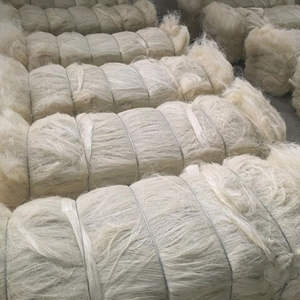
ʻO Micro Synthetic Fiber Plastic PP Concrete Fiber no ka maikaʻi 1000g ʻeke 6mm Polypropylene Fiber

Mea Kiʻekiʻe ʻO GRC Glass Fiber Wire Grouting Machine Wet Type Cement Motar Spraying Machine
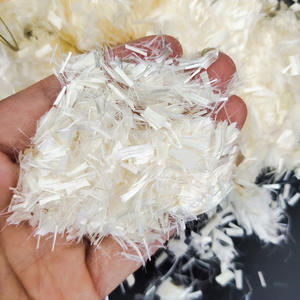
Reinforced Concrete Macro Concrete Fiber Machine and Fibrillated Polypropylene Concrete Fiber Production Line

High Tensile Reinforced Concrete Metal Construction Copper Micro Steel Fiber Coated Hooked End Steel Fiber Metal Steel Fiber

Factory ing High Tenancy 100%PP Polypropylene Fiber Polypropylene Staple Fiber for Concrete Cement12mm 15mm