


Nā Pākuʻi Paʻa Māmā | Nā ʻĀpana Hoʻohuʻi Kiʻekiʻe no ka Kelepona Kelepona

NA PALAPALA HUA
wehewehe
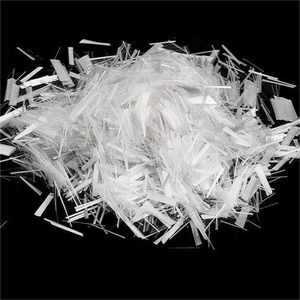
Overview of Fiber for Concrete Reinforcement Fiber for Concrete Glass Fiber /e-glass/fiber glass Chopped Strands
No ke kū'ē kiʻekiʻe, hāʻawi mākou i nā Fiber Steel, kahi mea hoʻololi kūpono no ka uwea welded mesh ma nā papahele ʻoihana a me nā mea hoʻolei mua. Hāʻawi pū mākou i nā Structural Synthetic Fibers kūikawā e hāʻawi ana i ka ikaika tensile kiʻekiʻe no nā noi noi.. Hoʻopuehu like ʻia kēia mau fiber i loko o ka hui ʻana, ka hoʻokumu ʻana i kahi pūnaewele hoʻoikaika nui i hiki ʻole ke hoʻokō i nā ʻano kuʻuna. Hoʻomaʻamaʻa kēia ʻano hoʻohui i ke kūkulu ʻana, hoʻokē hoʻokomo, a hoʻonui i ka pono holoʻokoʻa a me ka lōʻihi o ka lāʻau, hāʻawi ʻana i kahi pane hou i nā pilikia o ka wā kahiko a me ka lōʻihi.
Features of Fiber for Concrete Reinforcement Fiber for Concrete Glass Fiber /e-glass/fiber glass Chopped Strands
1. ʻOi aku ka mana o ka māwae a me ka hoʻoikaika ʻana i ka lōʻihi:
ʻO ka hiʻohiʻona nui o kā mākou fibers ko lākou hiki ke hoʻopaʻa i nā micro-cracks ʻelua i hana ʻia i ka wā o ke kūlana plastik a me nā māwae nui aʻe i loko o ke koʻa paʻa.. Hoʻokumu kēia dispersion ʻekolu-dimensional i kahi matrix cohesive ʻoi aku ka pale ʻana i ka hoʻolaha ʻana. ʻO ka pōmaikaʻi pololei, he hōʻemi nui ia i ka ʻāʻī ʻana o ka plastic a me ka laula māwae lōʻihi. Ke alakaʻi nei kēia i ka ʻoi aku ka lōʻihi o ke koʻikoʻi me ka haʻahaʻa haʻahaʻa, ʻo ia ka mea e hoʻonui ai i ke kū'ē i ka wai komo, pōʻino hoʻoheheʻe, a me ka palahu o kekahi kila i hookomoia. ʻO ka hopena he hale me ka lōʻihi o ke ola lawelawe a hoʻemi ʻia nā kumukūʻai mālama.
2. Hoʻonui i ka hopena a me ka pale ʻana i ka abrasion:
Nā pulu, ʻoi aku ke kila a me nā fiber macro synthetic ikaika, hoʻomaikaʻi maikaʻi i ka paʻakikī o ke kaʻa a me ka hana ma hope o ka haki. Lawe lākou a puʻunaue i ka ikehu ma ka hopena a i ʻole ka hoʻouka ʻana. Hāʻawi kēia hiʻohiʻona i ka pōmaikaʻi o kahi ʻili kūpaʻa ʻoi aku ka liʻiliʻi o ka spalling, ʻokiʻoki, a me ka abrasion ma lalo o ke kaʻa nui a i ʻole ka lole mīkini. He waiwai koʻikoʻi kēia no nā papahele ʻoihana, hale kūʻai pavements, a me nā papahana hoʻolālā, e alakaʻi ana i kahi ʻili paʻakikī e mālama i kona kūpaʻa i ka manawa.
3. ʻO ka maikaʻi o ke kūkulu ʻana a me ka mālama kālā:
ʻO kahi hiʻohiʻona nui o ka hoʻohana ʻana i ka fiber reinforcement ʻo ka hoʻopau ʻana i ka uwea welded mesh (WWF) i nā noi he nui. Hāʻawi kēia i nā pōmaikaʻi nui ma ka pūnaewele: maʻalahi ka hoʻokomo, no ka mea, ʻaʻohe mesh e hoʻonohonoho ʻia a hiki ke hoʻoneʻe ʻia, a hoʻokēʻai i ke kaʻina hana holoʻokoʻa. Ma ka wehe ʻana i kahi hana koʻikoʻi, ʻike nā papahana i ka hōʻemi ʻana i nā kumukūʻai hana a me ka wikiwiki o ka manawa papahana. ʻO ka hāʻawi like ʻana o nā fibers e hōʻoiaʻiʻo i ka hoʻoikaika paʻa ʻana ma ka ʻāpana koneki holoʻokoʻa, like ole mesh, hiki ke waiho pono ole ia, alakaʻi i ka hana hilinaʻi a wānana.

Specification of Fiber for Concrete Reinforcement Fiber for Concrete Glass Fiber /e-glass/fiber glass Chopped Strands
Specification of Fiber for Concrete Reinforcement– E-Glass Chopped Strands
Hoʻolauna Huahana
E-glass chopped hairs are specifically designed for concrete reinforcement. These fibers mix quickly right into concrete, moka, a me nā huahana like ʻole e pili ana i ka sima. They help reduce fracturing, enhance durability, and rise longevity. The fibers are made from top quality E-glass, which resists alkali discovered in concrete.
Nā hiʻohiʻona huna
The fibers are brief, maʻamau 6 mm i 25 mm ka nui. Each strand has a size of about 10– 18 microns. They come with an unique sizing that aids them bond well with cement. This sizing also keeps the fibers from clumping during blending.
E-glass fibers do not rust. They remain solid in wet or completely dry problems. Their tensile strength is high, frequently over 2,000 MPa. This makes them ideal for boosting the structural efficiency of concrete without adding much weight.
Nā noi
These sliced hairs function well in lots of building and construction uses. You can discover them in precast concrete panels, paipu, tile, a me ka panapana. They are likewise made use of in industrial floor covering, stucco, a me ka hooponopono ana i na morta. Adding these fibers reduces plastic shrinkage cracks right after pouring. I ka manawa, they help manage drying out shrinking splits as well.
Managing and Blending
Add the fibers during the early stage of mixing. Use common concrete mixers– no unique tools is required. Nā papa helu maʻamau mai 0.3 kg i 1.0 kg no ka mita kubiko o ke koki, relying on the work. Mix extensively till fibers are evenly spread.
Store the item in a dry place. Keep bags sealed when not being used. Wetness can trigger the fibers to stick, which impacts performance.
Kūlike a me ka palekana
Our E-glass cut strands meet global criteria for concrete reinforcement. They include no dangerous materials. Always follow neighborhood safety and security regulations when taking care of. Wear handwear covers and eye protection during usage.

Applications of Fiber for Concrete Reinforcement Fiber for Concrete Glass Fiber /e-glass/fiber glass Chopped Strands
Applications of Chopped Glass Fiber in Concrete Reinforcement
No ke aha e hoʻohana ai i ka fiber aniani i ka paʻa?
Adding cut glass fiber to concrete enhances its efficiency. This sort of fiber is made from E-glass , a strong and resilient product. It mixes well into wet concrete and spreads out evenly. The fibers help manage small cracks that form as concrete dries or shrinks.
Where Is It Made use of?
Builders utilize glass fiber-reinforced concrete in lots of projects. You will find it in floor slabs , alanui alanui , pā , and precast panels . It functions well in industrial floorings where heavy tons and consistent web traffic reason anxiety. It additionally suits household driveways and pathways since it lowers surface fracturing.
In splashed concrete applications like shotcrete , sliced hairs add sturdiness without requiring steel mesh. This makes building and construction quicker and safer. Employees prevent taking care of sharp cords, and the mix remains attire.
Benefits Over Conventional Techniques
Glass fiber does not rust like steel. That means frameworks last longer, specifically in damp or salty settings. The fibers are light-weight, so they are easy to transfer and mix. They additionally enhance influence resistance. Concrete with glass fiber can take in more energy before damaging.
An additional advantage is much better workability. The mix continues to be smooth and simple to area. There is no need for extra labor to position support bars or cable mesh. This conserves time and cuts expenses at work website.
Nā hiʻohiʻona ʻenehana
The sliced strands can be found in conventional lengths, maʻamau ma waena 6 mm a 12 mm. Their surface area is dealt with to bond firmly with cement paste. This guarantees the fibers stay locked in area and share the tons when stress and anxiety happens. The outcome is a more adaptable and crack-resistant end product.
Hoʻolauna Hui
Welina mai iā Concrete and More, he mea hoʻolako alakaʻi i nā mea hoʻohui ʻia i ka hana kiʻekiʻe, me kā mākou mea hoʻohaʻahaʻa wai koneki. Me nā makahiki o ka ʻike ma ka mākeke honua, hāʻawi mākou i nā hoʻonā holomua i hoʻolālā ʻia e hoʻomaikaʻi i ka maikaʻi a me ka pono o nā hana kūkulu honua. ʻO kā mākou mau hale hana hou e hōʻoia i nā huahana kiʻekiʻe e kū ana i nā kūlana honua. Haʻaheo mākou iā mākou iho i ka lawelawe kūʻai kūʻokoʻa, kākoʻo ʻenehana, a me nā hāʻina kūpono e hoʻokō i nā pono o ka papahana. E hui pū me mākou no ka hilinaʻi, mea hou, a me ke kumu kūʻai hoʻohui koʻikoʻi e alakaʻi i kāu mau papahana i mua. E ʻimi hou aku ma www.concreteandmore.de/. E kūkulu pū kākou i ka wā e hiki mai ana!
Inā he mau nīnau kāu, e ʻoluʻolu e hoʻokaʻaʻike mai iā mākou.
Uku Uku
T/T, Hui Komohana, Paypal, Kāleka ʻaiʻē etc.
Nā ʻano hoʻouna
Ma ka lewa, ma ke kai, ma ka hoike, e like me ke noi a nā mea kūʻai aku.
5 FAQs of Fiber for Concrete Reinforcement Fiber for Concrete Glass Fiber /e-glass/fiber glass Chopped Strands
Frequently Asked Questions About Glass Fiber for Concrete Reinforcement
What is glass fiber used for in concrete?
Glass fiber, especially E-glass chopped strands, is mixed into concrete to improve its strength. It helps control cracks that form during drying or from daily use. The fibers spread evenly through the mix and hold the material together better than plain concrete.
How does glass fiber make concrete stronger?
When added to wet concrete, the short glass fibers act like tiny supports inside the material. They absorb stress and stop small cracks from growing bigger. This makes the final product more durable and less likely to break under pressure or impact.
Is glass fiber safe to use in construction?
ʻAe. E-glass fibers used for concrete are designed to resist alkali found in cement. ʻAʻole lākou e ʻele e like me nā kaula kila. They also do not harm workers when handled with basic safety gear like gloves and masks during mixing.
ʻEhia ka nui o ka fiber e pono iaʻu e hoʻohui i kaʻu hui ʻana?
Hoʻohana ka hapa nui o nā papahana ma waena 0.5% a 2% fiber by weight of cement. The exact amount depends on what you are building. For floors or walls, a lower dose may work well. For heavy-duty slabs or shotcrete, a higher dose gives better results. E hahai mau i nā ʻōlelo a ka mea hana.
Can I use glass fiber instead of steel rebar?
Glass fiber works well for controlling small cracks and adding toughness, but it does not replace steel rebar in structures that carry heavy loads. Use it as a supplement to traditional reinforcement, not a full substitute. It is best for non-structural or lightly loaded applications like pavements, nā uhi, or precast panels.
NOI I KA PALAPALA
NA HUAKAI PILI

Whole High Strength Heavy Duty Pultruded Flooring Deck Fiberglass FRP GRP Grating

ʻO ka Pultrusion Fiberglass Profiles Fiberglass FRP GRP Pultruded Profiles no ke kūkulu ʻana
Cement Polypropylene Reinforced Concrete Fiber Additive Staple Fiber

Macro Synthetic Concrete Fiber Reinforced Concrete High Alkali Resistance PP Macro Fiber for Floor System
Cracking Resistance Reinforced 6mm PP Cement Concrete Fiber for Concrete Wall