


Nā Pākuʻi Paʻa Māmā | Nā ʻĀpana Hoʻohuʻi Kiʻekiʻe no ka Kelepona Kelepona

NA PALAPALA HUA
wehewehe
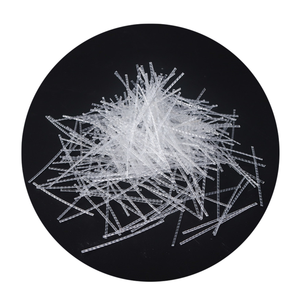
Overview of Fiber Reinforced Fibres Concrete Additive Polypropylene Fiber Synthetic PP fiber
No ke kū'ē kiʻekiʻe, hāʻawi mākou i nā Fiber Steel, kahi mea hoʻololi kūpono no ka uwea welded mesh ma nā papahele ʻoihana a me nā mea hoʻolei mua. Hāʻawi pū mākou i nā Structural Synthetic Fibers kūikawā e hāʻawi ana i ka ikaika tensile kiʻekiʻe no nā noi noi.. Hoʻopuehu like ʻia kēia mau fiber i loko o ka hui ʻana, ka hoʻokumu ʻana i kahi pūnaewele hoʻoikaika nui i hiki ʻole ke hoʻokō i nā ʻano kuʻuna. Hoʻomaʻamaʻa kēia ʻano hoʻohui i ke kūkulu ʻana, hoʻokē hoʻokomo, a hoʻonui i ka pono holoʻokoʻa a me ka lōʻihi o ka lāʻau, hāʻawi ʻana i kahi pane hou i nā pilikia o ka wā kahiko a me ka lōʻihi.
Features of Fiber Reinforced Fibres Concrete Additive Polypropylene Fiber Synthetic PP fiber
1. ʻOi aku ka mana o ka māwae a me ka hoʻoikaika ʻana i ka lōʻihi:
ʻO ka hiʻohiʻona nui o kā mākou fibers ko lākou hiki ke hoʻopaʻa i nā micro-cracks ʻelua i hana ʻia i ka wā o ke kūlana plastik a me nā māwae nui aʻe i loko o ke koʻa paʻa.. Hoʻokumu kēia dispersion ʻekolu-dimensional i kahi matrix cohesive ʻoi aku ka pale ʻana i ka hoʻolaha ʻana. ʻO ka pōmaikaʻi pololei, he hōʻemi nui ia i ka ʻāʻī ʻana o ka plastic a me ka laula māwae lōʻihi. Ke alakaʻi nei kēia i ka ʻoi aku ka lōʻihi o ke koʻikoʻi me ka haʻahaʻa haʻahaʻa, ʻo ia ka mea e hoʻonui ai i ke kū'ē i ka wai komo, pōʻino hoʻoheheʻe, a me ka palahu o kekahi kila i hookomoia. ʻO ka hopena he hale me ka lōʻihi o ke ola lawelawe a hoʻemi ʻia nā kumukūʻai mālama.
2. Hoʻonui i ka hopena a me ka pale ʻana i ka abrasion:
Nā pulu, ʻoi aku ke kila a me nā fiber macro synthetic ikaika, hoʻomaikaʻi maikaʻi i ka paʻakikī o ke kaʻa a me ka hana ma hope o ka haki. Lawe lākou a puʻunaue i ka ikehu ma ka hopena a i ʻole ka hoʻouka ʻana. Hāʻawi kēia hiʻohiʻona i ka pōmaikaʻi o kahi ʻili kūpaʻa ʻoi aku ka liʻiliʻi o ka spalling, ʻokiʻoki, a me ka abrasion ma lalo o ke kaʻa nui a i ʻole ka lole mīkini. He waiwai koʻikoʻi kēia no nā papahele ʻoihana, hale kūʻai pavements, a me nā papahana hoʻolālā, e alakaʻi ana i kahi ʻili paʻakikī e mālama i kona kūpaʻa i ka manawa.
3. ʻO ka maikaʻi o ke kūkulu ʻana a me ka mālama kālā:
ʻO kahi hiʻohiʻona nui o ka hoʻohana ʻana i ka fiber reinforcement ʻo ka hoʻopau ʻana i ka uwea welded mesh (WWF) i nā noi he nui. Hāʻawi kēia i nā pōmaikaʻi nui ma ka pūnaewele: maʻalahi ka hoʻokomo, no ka mea, ʻaʻohe mesh e hoʻonohonoho ʻia a hiki ke hoʻoneʻe ʻia, a hoʻokēʻai i ke kaʻina hana holoʻokoʻa. Ma ka wehe ʻana i kahi hana koʻikoʻi, ʻike nā papahana i ka hōʻemi ʻana i nā kumukūʻai hana a me ka wikiwiki o ka manawa papahana. ʻO ka hāʻawi like ʻana o nā fibers e hōʻoiaʻiʻo i ka hoʻoikaika paʻa ʻana ma ka ʻāpana koneki holoʻokoʻa, like ole mesh, hiki ke waiho pono ole ia, alakaʻi i ka hana hilinaʻi a wānana.

Specification of Fiber Reinforced Fibres Concrete Additive Polypropylene Fiber Synthetic PP fiber
Polypropylene Fiber for Concrete Reinforcement
Ikaika, Reputable Artificial Fiber Additive
Polypropylene (PP) pulupulu is a synthetic additive made use of to boost the efficiency of concrete and mortar. It blends easily into wet concrete and spreads out equally throughout the mix. This helps control fracturing triggered by contraction during drying and solidifying.
Maikaʻi nā fiber, māmā, and made from 100% polypropylene. ʻAʻole lākou ʻeleʻele, popopo, or soak up water. This makes them excellent for lasting use in severe environments. Their smooth surface area ensures good bonding with concrete paste without clumping.
Ke hoʻohui ʻia i ke kaʻa, these fibers produce a three-dimensional network inside the product. This network holds the concrete together even after tiny fractures develop. No laila, the concrete comes to be a lot more impact-resistant and less likely to disintegrate under stress. It additionally boosts toughness and reduces surface area cleaning.
Typical applications include industrial floors, nā paepae, pana pana, ʻano precast, a me nā ʻāpana noho. The fibers function well in both interior and exterior jobs. They are especially helpful where steel support is not sensible or where added protection against early-age splitting is needed.
Dose prices usually range from 0.6 i 1.0 kg no ka mita kubiko o ke koki, depending upon the task needs. Higher does might be made use of for applications requiring better fracture control or energy absorption. Always comply with mixing standards to ensure consistent circulation.
PP fibers meet global standards for synthetic fiber reinforcement in concrete. They are non-toxic, chemically inert, and compatible with all common admixtures. He maʻalahi ka wahi mālama– keep them completely dry and far from direct sunlight.
Making use of polypropylene fiber is an economical method to boost resilience and minimize maintenance gradually. It includes worth without making complex the building and construction procedure. Contractors value its simplicity of use and regular outcomes across various job websites.

Applications of Fiber Reinforced Fibres Concrete Additive Polypropylene Fiber Synthetic PP fiber
Noi o ka Polypropylene Fiber ma ka Paa
Why Use Polypropylene Fiber?
Polypropylene (PP) fiber is an artificial additive used to boost concrete efficiency. It mixes quickly right into wet concrete and spreads out uniformly throughout the mix. This fiber helps regulate cracking brought on by plastic shrinking during early curing. It likewise enhances impact resistance and decreases surface area spalling.
Typical Uses in Building And Construction
Building contractors add PP fiber to pieces, nā ala kaʻa, nā ala hele wāwae, a me nā papahele ʻoihana. These locations usually deal with hefty loads or constant web traffic. The fiber helps avoid small cracks from turning into larger problems. In household tasks, it strengthens basement walls, patio waho, and garage floors without needing additional steel mesh.
Advantages for Shotcrete and Tunnels
Shotcrete work advantages greatly from PP fiber. It holds the mix together during high-pressure spraying. This decreases rebound waste and improves bond to surfaces. In tunnel cellular linings and incline stablizing, the fiber includes toughness and limits crack development under anxiety.
Performance in Harsh Conditions
Concrete with PP fiber carries out much better in freeze-thaw cycles. Water that gets in little pores expands when iced up. The fiber soaks up a few of this tension, helping the concrete last much longer. It also withstands chemicals and does not rust like steel fibers. This makes it ideal for wastewater plants, car park structures, a me nā lewa wai.
Easy to Use and Cost-efficient
Adding PP fiber calls for no unique devices. Just toss the correct amount into the mixer with various other materials. It reduces labor due to the fact that workers don’t require to place cord mesh by hand. Much less time on website indicates lower expenses. A no hoi, fewer fixings in time save cash long after the job finishes.
Secret takeaway: Polypropylene fiber makes concrete tougher, a lot more long lasting, and easier to deal with across numerous structure types.
Hoʻolauna Hui
Welina mai iā Concrete and More, he mea hoʻolako alakaʻi i nā mea hoʻohui ʻia i ka hana kiʻekiʻe, me kā mākou mea hoʻohaʻahaʻa wai koneki. Me nā makahiki o ka ʻike ma ka mākeke honua, hāʻawi mākou i nā hoʻonā holomua i hoʻolālā ʻia e hoʻomaikaʻi i ka maikaʻi a me ka pono o nā hana kūkulu honua. ʻO kā mākou mau hale hana hou e hōʻoia i nā huahana kiʻekiʻe e kū ana i nā kūlana honua. Haʻaheo mākou iā mākou iho i ka lawelawe kūʻai kūʻokoʻa, kākoʻo ʻenehana, a me nā hāʻina kūpono e hoʻokō i nā pono o ka papahana. E hui pū me mākou no ka hilinaʻi, mea hou, a me ke kumu kūʻai hoʻohui koʻikoʻi e alakaʻi i kāu mau papahana i mua. E ʻimi hou aku ma www.concreteandmore.de/. E kūkulu pū kākou i ka wā e hiki mai ana!
Inā he mau nīnau kāu, e ʻoluʻolu e hoʻokaʻaʻike mai iā mākou.
Uku Uku
T/T, Hui Komohana, Paypal, Kāleka ʻaiʻē etc.
Nā ʻano hoʻouna
Ma ka lewa, ma ke kai, ma ka hoike, e like me ke noi a nā mea kūʻai aku.
5 FAQs of Fiber Reinforced Fibres Concrete Additive Polypropylene Fiber Synthetic PP fiber
Frequently Asked Questions About Polypropylene Fiber for Concrete
What is polypropylene fiber used for in concrete?
Polypropylene fiber is added to concrete to improve its strength and durability. It helps control cracks that form during drying or from impact. The fibers mix evenly into the concrete and hold the material together better.
How does polypropylene fiber work?
Ke hoʻohui ʻia i loko o ke koʻi pulu, the tiny synthetic fibers spread throughout the mix. E like me ka paakiki o ke kaa, these fibers create a network inside. This network stops small cracks from growing bigger. It also makes the concrete more resistant to sudden shocks or stress.
Is polypropylene fiber easy to use?
ʻAe. You simply add the fibers during normal mixing. ʻAʻole pono nā mea hana kūikawā a me nā ʻanuʻu. Puka maikaʻi nā ʻili a ʻaʻole puʻupuʻu inā hui pono. Most ready-mix plants and contractors can use them without changing their usual process.
Hoʻololi ia i ka hoʻoikaika kila?
ʻAʻole. Polypropylene fiber is not a replacement for steel rebar or mesh. Hana ia ma ke ʻano he hoʻoikaika lua. Its main job is to reduce early cracking and improve toughness. Structural support still needs traditional steel reinforcement.
What types of projects benefit most from this fiber?
Projects like sidewalks, nā ala kaʻa, nā papa, and industrial floors see great results. It’s also useful in shotcrete, nā panela precast, a me ka hana hooponopono. Anywhere you want less cracking, better surface quality, or improved impact resistance, polypropylene fiber helps.
NOI I KA PALAPALA
NA HUAKAI PILI
Ar Glass Fiber Roving Fiberglass 2400tex no ka Spray up Concrete
Macro Pp Synthetic Fibers E hana ana i ka Fiber Extruder Machine/Concrete Fibers Production Line
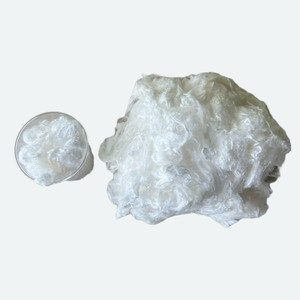
Supply PP Concrete Fiber 3mm 6mm 9mm Polypropylene Fibers for Reinforced Concrete and Shotcrete

Hoʻoikaika ʻia ka hao hao hao hao hao hao hao hao hao hao no ka ʻuala

Industrial High Strength High Toughness Chemical Steel Concrete Fiber