


Nā Pākuʻi Paʻa Māmā | Nā ʻĀpana Hoʻohuʻi Kiʻekiʻe no ka Kelepona Kelepona


NA PALAPALA HUA
wehewehe
Overview of Fiber Reinforcement Concrete Fiberglass Mesh Fabric rolls for Construction
No ke kū'ē kiʻekiʻe, hāʻawi mākou i nā Fiber Steel, kahi mea hoʻololi kūpono no ka uwea welded mesh ma nā papahele ʻoihana a me nā mea hoʻolei mua. Hāʻawi pū mākou i nā Structural Synthetic Fibers kūikawā e hāʻawi ana i ka ikaika tensile kiʻekiʻe no nā noi noi.. Hoʻopuehu like ʻia kēia mau fiber i loko o ka hui ʻana, ka hoʻokumu ʻana i kahi pūnaewele hoʻoikaika nui i hiki ʻole ke hoʻokō i nā ʻano kuʻuna. Hoʻomaʻamaʻa kēia ʻano hoʻohui i ke kūkulu ʻana, hoʻokē hoʻokomo, a hoʻonui i ka pono holoʻokoʻa a me ka lōʻihi o ka lāʻau, hāʻawi ʻana i kahi pane hou i nā pilikia o ka wā kahiko a me ka lōʻihi.
Features of Fiber Reinforcement Concrete Fiberglass Mesh Fabric rolls for Construction
1. ʻOi aku ka mana o ka māwae a me ka hoʻoikaika ʻana i ka lōʻihi:
ʻO ka hiʻohiʻona nui o kā mākou fibers ko lākou hiki ke hoʻopaʻa i nā micro-cracks ʻelua i hana ʻia i ka wā o ke kūlana plastik a me nā māwae nui aʻe i loko o ke koʻa paʻa.. Hoʻokumu kēia dispersion ʻekolu-dimensional i kahi matrix cohesive ʻoi aku ka pale ʻana i ka hoʻolaha ʻana. ʻO ka pōmaikaʻi pololei, he hōʻemi nui ia i ka ʻāʻī ʻana o ka plastic a me ka laula māwae lōʻihi. Ke alakaʻi nei kēia i ka ʻoi aku ka lōʻihi o ke koʻikoʻi me ka haʻahaʻa haʻahaʻa, ʻo ia ka mea e hoʻonui ai i ke kū'ē i ka wai komo, pōʻino hoʻoheheʻe, a me ka palahu o kekahi kila i hookomoia. ʻO ka hopena he hale me ka lōʻihi o ke ola lawelawe a hoʻemi ʻia nā kumukūʻai mālama.
2. Hoʻonui i ka hopena a me ka pale ʻana i ka abrasion:
Nā pulu, ʻoi aku ke kila a me nā fiber macro synthetic ikaika, hoʻomaikaʻi maikaʻi i ka paʻakikī o ke kaʻa a me ka hana ma hope o ka haki. Lawe lākou a puʻunaue i ka ikehu ma ka hopena a i ʻole ka hoʻouka ʻana. Hāʻawi kēia hiʻohiʻona i ka pōmaikaʻi o kahi ʻili kūpaʻa ʻoi aku ka liʻiliʻi o ka spalling, ʻokiʻoki, a me ka abrasion ma lalo o ke kaʻa nui a i ʻole ka lole mīkini. He waiwai koʻikoʻi kēia no nā papahele ʻoihana, hale kūʻai pavements, a me nā papahana hoʻolālā, e alakaʻi ana i kahi ʻili paʻakikī e mālama i kona kūpaʻa i ka manawa.
3. ʻO ka maikaʻi o ke kūkulu ʻana a me ka mālama kālā:
ʻO kahi hiʻohiʻona nui o ka hoʻohana ʻana i ka fiber reinforcement ʻo ka hoʻopau ʻana i ka uwea welded mesh (WWF) i nā noi he nui. Hāʻawi kēia i nā pōmaikaʻi nui ma ka pūnaewele: maʻalahi ka hoʻokomo, no ka mea, ʻaʻohe mesh e hoʻonohonoho ʻia a hiki ke hoʻoneʻe ʻia, a hoʻokēʻai i ke kaʻina hana holoʻokoʻa. Ma ka wehe ʻana i kahi hana koʻikoʻi, ʻike nā papahana i ka hōʻemi ʻana i nā kumukūʻai hana a me ka wikiwiki o ka manawa papahana. ʻO ka hāʻawi like ʻana o nā fibers e hōʻoiaʻiʻo i ka hoʻoikaika paʻa ʻana ma ka ʻāpana koneki holoʻokoʻa, like ole mesh, hiki ke waiho pono ole ia, alakaʻi i ka hana hilinaʻi a wānana.

Specification of Fiber Reinforcement Concrete Fiberglass Mesh Fabric rolls for Construction
Fiber Reinforcement Concrete Fiberglass Mesh Fabric Rolls
Strong Assistance for Modern Construction
Our fiberglass mesh textile rolls are made to enhance concrete and stucco in wall surfaces, papahele, and other structure surface areas. The mesh adds added assistance so the material stands up to splits and lasts much longer. Home builders trust it since it works well and is simple to make use of.
Durable Product
Each roll uses premium alkali-resistant fiberglass yarns. This implies the mesh will not break down when blended with concrete or plaster. It stays strong also in damp or harsh problems. The open weave allows mortar or concrete flow via easily, creating a solid bond.
Easy to Deal with
The rolls are available in basic sizes and can be cut with fundamental tools like scissors or an utility blade. They lay flat without crinkling, which helps employees install them swiftly and uniformly. ʻAʻole pono ke aʻo kūikawā– just press the mesh into the wet surface area and coating as typical.
Wide Usage Situations
This mesh benefits numerous work: nā ʻōnaehana insulation waho (EIFS), floor tile backing, stucco reinforcement, and fixing spots on old walls. It additionally aids control shrinking cracks in fresh concrete pours. Whether you are servicing a brand-new home or taking care of an old one, this product fits the need.
Trustworthy Efficiency
Every set satisfies strict high quality checks. The mesh keeps its form and toughness in time. It does not corrosion, popopo, or bring in mold. That makes it a smart choice for both indoor and outside projects.
Use our fiberglass mesh textile rolls to develop safer, maʻalahi, and longer-lasting surfaces. It offers your job the additional toughness it needs without reducing you down.
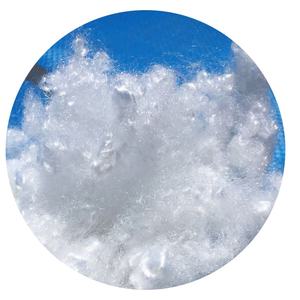
Applications of Fiber Reinforcement Concrete Fiberglass Mesh Fabric rolls for Construction
Stronger Wall surfaces. Smoother Finishes. Hoʻomohala ʻia i hope.
He aha ia
Fiberglass mesh fabric rolls are made from woven alkali-resistant glass fibers. They are covered with a special polymer that helps them stick well to cement and plaster. These rolls come in different weights and mesh sizes to match several building requirements.
Kahi i hoʻohana ʻia ai
Home builders utilize this mesh in walls, nā papahele, nā kaupaku, a me nā ʻōnaehana insulation waho. It goes in between layers of stucco, make, or thin-set mortar. You’ll locate it in brand-new builds and fixings alike– specifically where cracks or movement can trigger difficulty.
Why It Works
Concrete and plaster can crack under stress and anxiety. The fiberglass fit together waits with each other. It spreads stress across a broader location so little shifts don’t become big breaks. This means fewer repairs and longer-lasting surfaces.
The mesh additionally includes toughness without adding much weight. ʻAʻole ia e ʻōpala, popopo, or rust like metal mesh might. That makes it excellent for damp areas or areas revealed to weather.
Easy to Deal with
The rolls are light-weight and adaptable. Workers can reduce them with fundamental scissors or an utility knife. They lay flat on walls and bend easily around edges. ʻAʻole pono nā mea hana kūikawā.
Due to the fact that the mesh bonds tightly with cement-based products, it sits tight throughout application. There’s less sagging or sliding compared to other reinforcement alternatives.
hilinaʻi i ka hana
Professionals pick fiberglass harmonize because it provides regular results. It meets industry standards for tensile stamina and alkali resistance. Whether you’re completing a home interior or enhancing an outdoor exterior, this mesh provides reliable assistance every time.
Home builders notice the distinction immediately– smoother trowel job, cleaner sides, and surface areas that hold up under stress.
Hoʻolauna Hui
Welina mai iā Concrete and More, he mea hoʻolako alakaʻi i nā mea hoʻohui ʻia i ka hana kiʻekiʻe, me kā mākou mea hoʻohaʻahaʻa wai koneki. Me nā makahiki o ka ʻike ma ka mākeke honua, hāʻawi mākou i nā hoʻonā holomua i hoʻolālā ʻia e hoʻomaikaʻi i ka maikaʻi a me ka pono o nā hana kūkulu honua. ʻO kā mākou mau hale hana hou e hōʻoia i nā huahana kiʻekiʻe e kū ana i nā kūlana honua. Haʻaheo mākou iā mākou iho i ka lawelawe kūʻai kūʻokoʻa, kākoʻo ʻenehana, a me nā hāʻina kūpono e hoʻokō i nā pono o ka papahana. E hui pū me mākou no ka hilinaʻi, mea hou, a me ke kumu kūʻai hoʻohui koʻikoʻi e alakaʻi i kāu mau papahana i mua. E ʻimi hou aku ma www.concreteandmore.de/. E kūkulu pū kākou i ka wā e hiki mai ana!
Inā he mau nīnau kāu, e ʻoluʻolu e hoʻokaʻaʻike mai iā mākou.
Uku Uku
T/T, Hui Komohana, Paypal, Kāleka ʻaiʻē etc.
Nā ʻano hoʻouna
Ma ka lewa, ma ke kai, ma ka hoike, e like me ke noi a nā mea kūʻai aku.

5 FAQs of Fiber Reinforcement Concrete Fiberglass Mesh Fabric rolls for Construction
Frequently Asked Questions About Fiberglass Mesh for Concrete Reinforcement
What is fiberglass mesh used for in construction?
Fiberglass mesh fabric strengthens concrete and plaster. It helps stop cracks from forming on walls, papahele, a me na kaupaku. Builders use it under stucco, tile, or exterior insulation systems. The mesh holds the material together and adds long-term durability.
Why choose fiberglass over other reinforcement materials?
Fiberglass does not rust, popopo, a i ʻole ʻānai. It stays strong even when exposed to moisture or chemicals. It is also lightweight and easy to cut or handle on site. Compared to metal mesh, fiberglass won’t react with cement, so it lasts longer in most building environments.
How do I install fiberglass mesh correctly?
Ka mua, make sure the surface is clean and dry. Apply a base coat of mortar or adhesive. Press the mesh firmly into the wet layer without wrinkles. Overlap edges by at least 2 iniha. Then add a second coat to fully cover the mesh. Let it cure as directed by the product instructions.
Can I use this mesh indoors and outdoors?
ʻAe. This mesh works well both inside and outside. Ke pale nei ia i nā kukuna UV, hoʻololi wela, and humidity. That makes it ideal for exterior walls, balconies, a me nā hale lalo. Indoors, it’s commonly used in bathrooms, nā lumi kuke, and around door or window frames to prevent cracking.
What roll sizes are available?
Rolls come in standard widths like 1 meter or 3 wāwae. Lengths usually range from 50 i 100 meters per roll. Custom sizes may be ordered for large projects. Check the product label for exact dimensions and weight per roll before buying.
NOI I KA PALAPALA
NA HUAKAI PILI
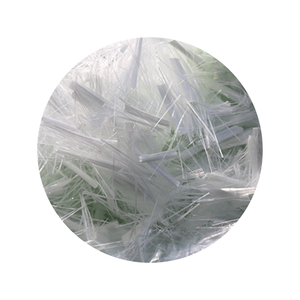
Hooked Glued Carbon Steel Concrete Fiber Building and Construction Material Concrete Fibers
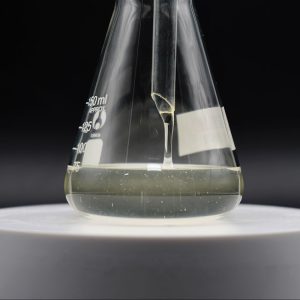
Concrete Additive Wood Cellulose Fiber Improve The Crack Resistance of Concrete
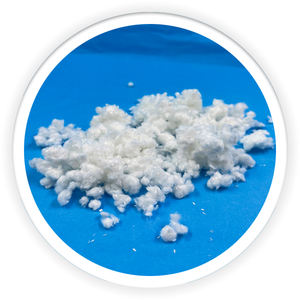
HCS Hollow Conjugated Fibers 100 Pākēneka Polyester Recycled Synthetic Concrete Fiber no ka hoʻohana ʻana

6mm Short Cutting PP Concrete Fiber for Concrete Reinforcement
Fiberglass Composite FRP Rebar for Construction on Glass Fiber Reinforced Rod Fiberglass Products
