Nā Pākuʻi Paʻa Māmā | Nā ʻĀpana Hoʻohuʻi Kiʻekiʻe no ka Kelepona Kelepona

NA PALAPALA HUA
wehewehe
Overview of Fiberglass Concrete Fiber for Cement Mortar Concrete Reinforcement Anti Seepage and Anti Cracking
No ke kū'ē kiʻekiʻe, hāʻawi mākou i nā Fiber Steel, kahi mea hoʻololi kūpono no ka uwea welded mesh ma nā papahele ʻoihana a me nā mea hoʻolei mua. Hāʻawi pū mākou i nā Structural Synthetic Fibers kūikawā e hāʻawi ana i ka ikaika tensile kiʻekiʻe no nā noi noi.. Hoʻopuehu like ʻia kēia mau fiber i loko o ka hui ʻana, ka hoʻokumu ʻana i kahi pūnaewele hoʻoikaika nui i hiki ʻole ke hoʻokō i nā ʻano kuʻuna. Hoʻomaʻamaʻa kēia ʻano hoʻohui i ke kūkulu ʻana, hoʻokē hoʻokomo, a hoʻonui i ka pono holoʻokoʻa a me ka lōʻihi o ka lāʻau, hāʻawi ʻana i kahi pane hou i nā pilikia o ka wā kahiko a me ka lōʻihi.
Features of Fiberglass Concrete Fiber for Cement Mortar Concrete Reinforcement Anti Seepage and Anti Cracking
1. ʻOi aku ka mana o ka māwae a me ka hoʻoikaika ʻana i ka lōʻihi:
ʻO ka hiʻohiʻona nui o kā mākou fibers ko lākou hiki ke hoʻopaʻa i nā micro-cracks ʻelua i hana ʻia i ka wā o ke kūlana plastik a me nā māwae nui aʻe i loko o ke koʻa paʻa.. Hoʻokumu kēia dispersion ʻekolu-dimensional i kahi matrix cohesive ʻoi aku ka pale ʻana i ka hoʻolaha ʻana. ʻO ka pōmaikaʻi pololei, he hōʻemi nui ia i ka ʻāʻī ʻana o ka plastic a me ka laula māwae lōʻihi. Ke alakaʻi nei kēia i ka ʻoi aku ka lōʻihi o ke koʻikoʻi me ka haʻahaʻa haʻahaʻa, ʻo ia ka mea e hoʻonui ai i ke kū'ē i ka wai komo, pōʻino hoʻoheheʻe, a me ka palahu o kekahi kila i hookomoia. ʻO ka hopena he hale me ka lōʻihi o ke ola lawelawe a hoʻemi ʻia nā kumukūʻai mālama.
2. Hoʻonui i ka hopena a me ka pale ʻana i ka abrasion:
Nā pulu, ʻoi aku ke kila a me nā fiber macro synthetic ikaika, hoʻomaikaʻi maikaʻi i ka paʻakikī o ke kaʻa a me ka hana ma hope o ka haki. Lawe lākou a puʻunaue i ka ikehu ma ka hopena a i ʻole ka hoʻouka ʻana. Hāʻawi kēia hiʻohiʻona i ka pōmaikaʻi o kahi ʻili kūpaʻa ʻoi aku ka liʻiliʻi o ka spalling, ʻokiʻoki, a me ka abrasion ma lalo o ke kaʻa nui a i ʻole ka lole mīkini. He waiwai koʻikoʻi kēia no nā papahele ʻoihana, hale kūʻai pavements, a me nā papahana hoʻolālā, e alakaʻi ana i kahi ʻili paʻakikī e mālama i kona kūpaʻa i ka manawa.
3. ʻO ka maikaʻi o ke kūkulu ʻana a me ka mālama kālā:
ʻO kahi hiʻohiʻona nui o ka hoʻohana ʻana i ka fiber reinforcement ʻo ka hoʻopau ʻana i ka uwea welded mesh (WWF) i nā noi he nui. Hāʻawi kēia i nā pōmaikaʻi nui ma ka pūnaewele: maʻalahi ka hoʻokomo, no ka mea, ʻaʻohe mesh e hoʻonohonoho ʻia a hiki ke hoʻoneʻe ʻia, a hoʻokēʻai i ke kaʻina hana holoʻokoʻa. Ma ka wehe ʻana i kahi hana koʻikoʻi, ʻike nā papahana i ka hōʻemi ʻana i nā kumukūʻai hana a me ka wikiwiki o ka manawa papahana. ʻO ka hāʻawi like ʻana o nā fibers e hōʻoiaʻiʻo i ka hoʻoikaika paʻa ʻana ma ka ʻāpana koneki holoʻokoʻa, like ole mesh, hiki ke waiho pono ole ia, alakaʻi i ka hana hilinaʻi a wānana.

Specification of Fiberglass Concrete Fiber for Cement Mortar Concrete Reinforcement Anti Seepage and Anti Cracking
Fiberglass Concrete Fiber– Support for Stronger, Sturdy Structures
He aha ia
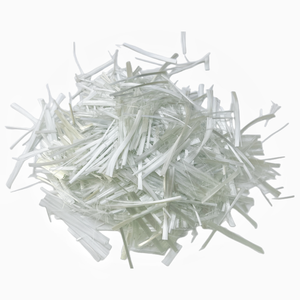
Fiberglass concrete fiber is a fine, alkali-resistant material made from unique glass. It mixes quickly into concrete, moka, a i ʻole ke kaʻa. The fibers spread out evenly with the mix and help hold everything with each other.
No ke aha e hoʻohana ai
Adding fiberglass fibers improves just how well concrete deals with stress. It lowers cracks that happen during drying out or from day-to-day use. This makes surface areas last longer and look far better in time. The fibers also obstruct water from seeping through small gaps. That means much less damages from moisture, especially in damp or damp areas.
Pōmaikaʻi hoʻopunipuni
Anti-cracking: Fibers manage shrinking and quit tiny splits from growing.
Kūleʻa wai: They load micro-pores and create a tighter structure that resists water penetration.
ʻOi aku ka ikaika: Concrete with fibers stands up better under stress and bending.
Maʻalahi e hoʻohana: Just add the fibers throughout mixing– no added steps or tools needed.
Kahi e hoʻohana ai
This fiber functions well in lots of projects. Use it in floors, ʻili o ka pā, hale hale, nā hale waihona puke, pool, a me ka hana hooponopono. It’s excellent for both brand-new builds and taking care of old concrete. Contractors and builders pick it due to the fact that it lowers maintenance and boosts performance without elevating costs a lot.
Nā ʻŌlelo Aʻo
The fibers are 6– 12 mm long and completely suitable with conventional Portland cement. ʻAʻole lākou e corrosion, popopo, or respond terribly with various other products. Mix at a rate of 0.6– 1.2 kg per cubic meter of concrete for ideal results. Always comply with regional building standards when making use of fiber-reinforced blends.
Applications of Fiberglass Concrete Fiber for Cement Mortar Concrete Reinforcement Anti Seepage and Anti Cracking
Applications of Fiberglass Concrete Fiber
ʻOi aku ka mana, A Lot More Trusted Concrete and Mortar
Fiberglass concrete fiber is a basic however powerful method to enhance cement-based materials. Ke hoʻohui ʻia i loko o ka mortar a i ʻole ke kaʻa, these short fibers spread uniformly throughout the mix. They aid hold the product with each other from the within. This makes the final product much tougher and much less most likely to crack under stress and anxiety.
Anti-Cracking Efficiency
Cracks typically begin tiny but expand gradually. Fiberglass fibers stop little splits from becoming worse. They act like a surprise assistance web inside the concrete. Also when the surface area really feels pressure or shifts slightly, the fibers maintain whatever attached. This is especially useful for floorings, pā, and sidewalks that encounter day-to-day wear.
ʻOi aku ka maikaʻi o ka pale wai
Water infiltration is a big problem in lots of frameworks. Fractures let moisture creep in, which can damage the structure in time. By minimizing splits, fiberglass fibers also decrease the chance of water getting through. This makes them optimal for cellars, water tanks, pauku, and any kind of area where keeping points dry matters.
Maʻalahi e hoʻohana
You do not require unique devices or training to utilize fiberglass concrete fiber. Simply add it to your regular mix like you would with sand or gravel. It assimilates efficiently and collaborates with conventional blending methods. The outcome is stronger concrete without transforming how you work.
Kahi i hoʻohana ʻia ai
Contractors use this fiber in lots of projects. Think about commercial floorings, roofing system screeds, stucco, ceramic tile support, and fixing spots. It’s additionally typical in precast panels and shotcrete applications. Anywhere you want long-lasting, haʻahaʻa-mālama lāʻau, fiberglass fiber helps supply it.
ʻO ka moʻolelo o ka hui
ʻO mākou ke alakaʻi o ka honua i nā ʻenehana māmā a me nā hoʻonā ʻenehana i hana ʻia. ʻIke ʻia ma ka honua holoʻokoʻa no kāna kūpaʻa i ka noiʻi, mea hou, a me ka ʻike noiʻi, ke hāʻawi nei mākou i nā hoʻonā ʻenehana i hana ʻia mai ka makahiki 2012.
Hiki iā mākou ke hāʻawi aku i ka hoʻohui ʻana i nā mea hoʻohui kiʻekiʻe kiʻekiʻe a me nā huahana pili i ka foam concrete a puni ka honua.
He keʻena ʻenehana ʻoihana a me ka ʻoihana kiaʻi maikaʻi ka hui, he hale hana i hoolako pono ia, a hoʻolako ʻia me nā lako hoʻāʻo kiʻekiʻe a me ke kikowaena lawelawe mea kūʻai aku ma hope o ke kūʻai aku.
Inā hoihoi ʻoe, e ʻoluʻolu a e hoʻokaʻaʻike mai iā mākou.
Uku
T/T, Hui Komohana, Paypal, Kāleka ʻaiʻē etc.
Hoʻouna
Ma ka lewa, ma ke kai, ma ka hoike, e like me ke noi a nā mea kūʻai aku.
5 FAQs of Fiberglass Concrete Fiber for Cement Mortar Concrete Reinforcement Anti Seepage and Anti Cracking
Frequently Asked Questions About Fiberglass Concrete Fiber
What is fiberglass concrete fiber used for?
Fiberglass concrete fiber strengthens cement mortar and concrete. Kōkua ia i ka pale ʻana i nā māwae. It also reduces water seepage. Builders mix it into wet concrete before pouring or applying.
How does it prevent cracking?
Hoʻolaha like ʻia nā pulupulu ma o ka hui ʻana. They hold the material together when stress happens. This stops small cracks from growing bigger. The result is a tougher, ʻoi aku ka lōʻihi o ka ʻili.
Does it really stop water leakage?
ʻAe. By reducing cracks, the fiber lowers the chance of water getting through. A tighter internal structure means fewer paths for moisture. Hana kēia i nā pā, papahele, and roofs more watertight.
Is it easy to use with regular concrete?
ʻAe. You add the fiber directly to the mixer with cement, one, a me ka wai. ʻAʻole pono nā mea hana kūikawā a me nā ʻanuʻu. Just follow the recommended dosage on the package. Mix well until the fibers are fully spread out.
How much fiber should I add?
ʻO ka nui maʻamau 0.6 i 1.2 kilokani no ka mita kubiko o ke koki. ʻAʻole hiki ke kōkua i ka liʻiliʻi. Too much can make mixing hard or weaken the mix. Always check the product instructions for your specific project type.
NOI I KA PALAPALA
NA HUAKAI PILI

ʻO ka Micro Cement Concrete i ʻoki ʻia i ka ʻili kuʻekuʻe hao fiber kila fiber factory no nā mea hana metala UHPC

Corrugated Steel Fibers for Concrete Slab 3D End Hooked Glued Steel Fiber Reinforced Concrete Corrugated Steel Fibers
PP Fiber High quality Polypropylene fiber cellulose strong Monofilament PP 12mm for Concrete Mortar Reinforcement

ACF Activated Carbon Concrete Fiber Cloth and Felt 1mm to 3mm Filter Media Roll

High Tensile Reinforced Concrete Metal Construction Copper Micro Steel Fiber Coated Hooked End Steel Fiber Metal Steel Fiber