Nā Pākuʻi Paʻa Māmā | Nā ʻĀpana Hoʻohuʻi Kiʻekiʻe no ka Kelepona Kelepona


NA PALAPALA HUA
wehewehe
Overview of Fiberglass Geogrid s For Reinforcement Civil Engineering Fiber Knitted Geogrid
No ke kū'ē kiʻekiʻe, hāʻawi mākou i nā Fiber Steel, kahi mea hoʻololi kūpono no ka uwea welded mesh ma nā papahele ʻoihana a me nā mea hoʻolei mua. Hāʻawi pū mākou i nā Structural Synthetic Fibers kūikawā e hāʻawi ana i ka ikaika tensile kiʻekiʻe no nā noi noi.. Hoʻopuehu like ʻia kēia mau fiber i loko o ka hui ʻana, ka hoʻokumu ʻana i kahi pūnaewele hoʻoikaika nui i hiki ʻole ke hoʻokō i nā ʻano kuʻuna. Hoʻomaʻamaʻa kēia ʻano hoʻohui i ke kūkulu ʻana, hoʻokē hoʻokomo, a hoʻonui i ka pono holoʻokoʻa a me ka lōʻihi o ka lāʻau, hāʻawi ʻana i kahi pane hou i nā pilikia o ka wā kahiko a me ka lōʻihi.
Features of Fiberglass Geogrid s For Reinforcement Civil Engineering Fiber Knitted Geogrid
1. ʻOi aku ka mana o ka māwae a me ka hoʻoikaika ʻana i ka lōʻihi:
ʻO ka hiʻohiʻona nui o kā mākou fibers ko lākou hiki ke hoʻopaʻa i nā micro-cracks ʻelua i hana ʻia i ka wā o ke kūlana plastik a me nā māwae nui aʻe i loko o ke koʻa paʻa.. Hoʻokumu kēia dispersion ʻekolu-dimensional i kahi matrix cohesive ʻoi aku ka pale ʻana i ka hoʻolaha ʻana. ʻO ka pōmaikaʻi pololei, he hōʻemi nui ia i ka ʻāʻī ʻana o ka plastic a me ka laula māwae lōʻihi. Ke alakaʻi nei kēia i ka ʻoi aku ka lōʻihi o ke koʻikoʻi me ka haʻahaʻa haʻahaʻa, ʻo ia ka mea e hoʻonui ai i ke kū'ē i ka wai komo, pōʻino hoʻoheheʻe, a me ka palahu o kekahi kila i hookomoia. ʻO ka hopena he hale me ka lōʻihi o ke ola lawelawe a hoʻemi ʻia nā kumukūʻai mālama.
2. Hoʻonui i ka hopena a me ka pale ʻana i ka abrasion:
Nā pulu, ʻoi aku ke kila a me nā fiber macro synthetic ikaika, hoʻomaikaʻi maikaʻi i ka paʻakikī o ke kaʻa a me ka hana ma hope o ka haki. Lawe lākou a puʻunaue i ka ikehu ma ka hopena a i ʻole ka hoʻouka ʻana. Hāʻawi kēia hiʻohiʻona i ka pōmaikaʻi o kahi ʻili kūpaʻa ʻoi aku ka liʻiliʻi o ka spalling, ʻokiʻoki, a me ka abrasion ma lalo o ke kaʻa nui a i ʻole ka lole mīkini. He waiwai koʻikoʻi kēia no nā papahele ʻoihana, hale kūʻai pavements, a me nā papahana hoʻolālā, e alakaʻi ana i kahi ʻili paʻakikī e mālama i kona kūpaʻa i ka manawa.
3. ʻO ka maikaʻi o ke kūkulu ʻana a me ka mālama kālā:
ʻO kahi hiʻohiʻona nui o ka hoʻohana ʻana i ka fiber reinforcement ʻo ka hoʻopau ʻana i ka uwea welded mesh (WWF) i nā noi he nui. Hāʻawi kēia i nā pōmaikaʻi nui ma ka pūnaewele: maʻalahi ka hoʻokomo, no ka mea, ʻaʻohe mesh e hoʻonohonoho ʻia a hiki ke hoʻoneʻe ʻia, a hoʻokēʻai i ke kaʻina hana holoʻokoʻa. Ma ka wehe ʻana i kahi hana koʻikoʻi, ʻike nā papahana i ka hōʻemi ʻana i nā kumukūʻai hana a me ka wikiwiki o ka manawa papahana. ʻO ka hāʻawi like ʻana o nā fibers e hōʻoiaʻiʻo i ka hoʻoikaika paʻa ʻana ma ka ʻāpana koneki holoʻokoʻa, like ole mesh, hiki ke waiho pono ole ia, alakaʻi i ka hana hilinaʻi a wānana.

Specification of Fiberglass Geogrid s For Reinforcement Civil Engineering Fiber Knitted Geogrid
Fiberglass Geogrid for Civil Engineering Reinforcement
Strong and Dependable Material
Fiberglass geogrids are made from high-strength glass fibers. These fibers are woven right into a secure grid framework. The grid is then coated with a safety polymer. This finishing helps the geogrid stand up to damage from wetness, kemika, and long-term stress and anxiety. The result is a sturdy item constructed to last in hard ground conditions.
Why Make Use Of Fiberglass Geogrid?
This geogrid functions well in roads, alahao, pali, and keeping wall surfaces. It spreads out lots evenly throughout weak dirt. That minimizes cracks and stops surfaces from sinking. Because it does not extend a lot under pressure, it keeps its shape and toughness over time. Engineers choose it when they need constant performance without motion or deformation.
Maʻalahi e hoʻokomo
The product is light-weight and rolls up for transport. Workers can unroll it rapidly on website. It fits efficiently over irregular ground. Overlapping sections are easy to attach. ʻAʻole pono nā mea hana kūikawā. This saves time and cuts labor expenses during building and construction.
Long-Term Value
Fiberglass geogrids do not rot, ʻinoʻino, or break down in soil. They handle heavy traffic and climate adjustments without losing stamina. Their lifetime commonly matches or surpasses that of the structures they sustain. That suggests fewer repair work and lower maintenance expenditures throughout the years.
Hoʻokomo ʻenehana
Tensile strength ranges from 50 i 300 kN/m, relying on the design. Aperture sizes are made to secure well with surrounding fill product. The surface area therapy ensures solid bonding with asphalt or concrete layers. All items fulfill worldwide standards for civil engineering usage.
Applications of Fiberglass Geogrid s For Reinforcement Civil Engineering Fiber Knitted Geogrid
Applications of Fiberglass Geogrids in Civil Design
Solid Support for Roadways and Pavements
Fiberglass geogrids assist build stronger roadways. They are positioned inside asphalt or base layers. This stops splits from spreading. The grid waits together. It reduces stress on the sidewalk. No laila, roads last much longer and need fewer fixings.
Much Better Efficiency in Soil Stabilization
These geogrids also function well in soft or weak dirt. They secure soil fragments in position. This creates a firm base for building and construction. Engineers utilize them under embankments, inclines, a me ka malama ana i na pa. The fiberglass product does not stretch much. It offers constant support with time.
Suitable for Heavy-Duty Projects
Fiberglass geogrids take care of hefty lots without damaging. They resist water, kemika, a me ka hoʻololi ʻana o ka pae wela. That makes them ideal for highways, airports, and industrial backyards. Also under constant web traffic, they keep their shape and stamina.
Easy to Mount and Affordable
The geogrids are available in rolls. Workers can lay them fast with straightforward devices. ʻAʻole pono ke aʻo kūikawā. Mālama kēia i ka manawa a me nā koina hana. Since they prevent very early damage, they also reduced lasting maintenance costs.
Relied On Modern Framework
Lots of civil tasks now include fiberglass geogrids. They meet strict design requirements. Their design works with typical construction methods. Specialists select them due to the fact that they supply dependable results. Whether it’s a small access road or a significant bridge strategy, these geogrids include value and sturdiness.
Hoʻolauna Hui
Welina mai iā Concrete and More, he mea hoʻolako alakaʻi i nā mea hoʻohui ʻia i ka hana kiʻekiʻe, me kā mākou mea hoʻohaʻahaʻa wai koneki. Me nā makahiki o ka ʻike ma ka mākeke honua, hāʻawi mākou i nā hoʻonā holomua i hoʻolālā ʻia e hoʻomaikaʻi i ka maikaʻi a me ka pono o nā hana kūkulu honua. ʻO kā mākou mau hale hana hou e hōʻoia i nā huahana kiʻekiʻe e kū ana i nā kūlana honua. Haʻaheo mākou iā mākou iho i ka lawelawe kūʻai kūʻokoʻa, kākoʻo ʻenehana, a me nā hāʻina kūpono e hoʻokō i nā pono o ka papahana. E hui pū me mākou no ka hilinaʻi, mea hou, a me ke kumu kūʻai hoʻohui koʻikoʻi e alakaʻi i kāu mau papahana i mua. E ʻimi hou aku ma www.concreteandmore.de/. E kūkulu pū kākou i ka wā e hiki mai ana!
Inā he mau nīnau kāu, e ʻoluʻolu e hoʻokaʻaʻike mai iā mākou.
Uku Uku
T/T, Hui Komohana, Paypal, Kāleka ʻaiʻē etc.
Nā ʻano hoʻouna
Ma ka lewa, ma ke kai, ma ka hoike, e like me ke noi a nā mea kūʻai aku.

5 FAQs of Fiberglass Geogrid s For Reinforcement Civil Engineering Fiber Knitted Geogrid
Frequently Asked Questions About Fiberglass Geogrids for Civil Engineering
What is a fiberglass geogrid?
A fiberglass geogrid is a grid-like material made from woven fiberglass yarns. It is coated with a protective layer to resist damage from moisture and chemicals. Engineers use it to strengthen soil and other ground materials in roads, pali, a me na kumu.
Why use fiberglass geogrids instead of other types?
Fiberglass geogrids are strong but lightweight. They do not stretch much under load, which helps keep structures stable. They also last a long time because they resist rot, ʻinoʻino, and most chemicals found in soil. This makes them better than many plastic or metal options for long-term projects.
Where are fiberglass geogrids commonly used?
These geogrids are often used in road construction to stop cracks from spreading. They also support retaining walls, stabilize steep slopes, and reinforce soft ground under heavy loads like parking lots or rail tracks. Their high strength works well in places that need extra support.
How are fiberglass geogrids installed?
Workers lay the geogrid flat on prepared ground. They overlap edges as needed and secure it with pins or staples. Then they cover it with soil, ʻiliʻili, or asphalt. Proper tension and alignment during installation are key to getting the best performance.
Do fiberglass geogrids work in wet conditions?
ʻAe. The special coating on fiberglass geogrids protects them from water damage. They keep their strength even when buried in damp soil or exposed to rain. This makes them reliable for use in all kinds of weather and underground applications.
NOI I KA PALAPALA
NA HUAKAI PILI
Polypropylene Staple Fiber for Concrete Reinforced Reinforcement Polypropylene Fiber PP Fiber

China Factory Direct Concrete Mortar Reinforced Polypropylene Concrete Fiber 3 6 9 12 19 21mm
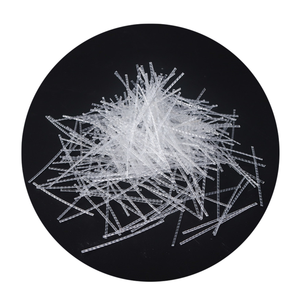
Factory Hot Good Dispersity High Quality Polypropylene Concrete Fiber Building Raw Material PP Fiber for Concrete
High Performance Loose Tube GYFXTY Fiber Optic Cable 12 16 24 Core Two FRP Parallel Outdoor Aerial Cable
concrete steel fiber Buy glued Steel fibre reinforced concrete