Nā Pākuʻi Paʻa Māmā | Nā ʻĀpana Hoʻohuʻi Kiʻekiʻe no ka Kelepona Kelepona


NA PALAPALA HUA
wehewehe
Overview of Glass Fiber Reinforced Plastic Profiles GRP FRP U Profiles Fiberglass C Channel
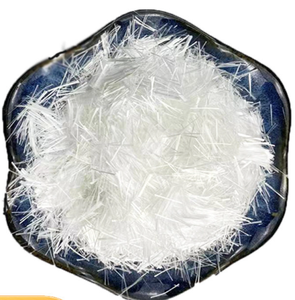
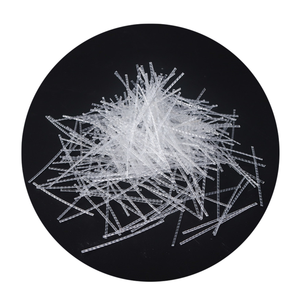
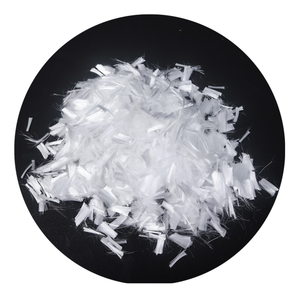
No ke kū'ē kiʻekiʻe, hāʻawi mākou i nā Fiber Steel, kahi mea hoʻololi kūpono no ka uwea welded mesh ma nā papahele ʻoihana a me nā mea hoʻolei mua. Hāʻawi pū mākou i nā Structural Synthetic Fibers kūikawā e hāʻawi ana i ka ikaika tensile kiʻekiʻe no nā noi noi.. Hoʻopuehu like ʻia kēia mau fiber i loko o ka hui ʻana, ka hoʻokumu ʻana i kahi pūnaewele hoʻoikaika nui i hiki ʻole ke hoʻokō i nā ʻano kuʻuna. Hoʻomaʻamaʻa kēia ʻano hoʻohui i ke kūkulu ʻana, hoʻokē hoʻokomo, a hoʻonui i ka pono holoʻokoʻa a me ka lōʻihi o ka lāʻau, hāʻawi ʻana i kahi pane hou i nā pilikia o ka wā kahiko a me ka lōʻihi.
Features of Glass Fiber Reinforced Plastic Profiles GRP FRP U Profiles Fiberglass C Channel
1. ʻOi aku ka mana o ka māwae a me ka hoʻoikaika ʻana i ka lōʻihi:
ʻO ka hiʻohiʻona nui o kā mākou fibers ko lākou hiki ke hoʻopaʻa i nā micro-cracks ʻelua i hana ʻia i ka wā o ke kūlana plastik a me nā māwae nui aʻe i loko o ke koʻa paʻa.. Hoʻokumu kēia dispersion ʻekolu-dimensional i kahi matrix cohesive ʻoi aku ka pale ʻana i ka hoʻolaha ʻana. ʻO ka pōmaikaʻi pololei, he hōʻemi nui ia i ka ʻāʻī ʻana o ka plastic a me ka laula māwae lōʻihi. Ke alakaʻi nei kēia i ka ʻoi aku ka lōʻihi o ke koʻikoʻi me ka haʻahaʻa haʻahaʻa, ʻo ia ka mea e hoʻonui ai i ke kū'ē i ka wai komo, pōʻino hoʻoheheʻe, a me ka palahu o kekahi kila i hookomoia. ʻO ka hopena he hale me ka lōʻihi o ke ola lawelawe a hoʻemi ʻia nā kumukūʻai mālama.
2. Hoʻonui i ka hopena a me ka pale ʻana i ka abrasion:
Nā pulu, ʻoi aku ke kila a me nā fiber macro synthetic ikaika, hoʻomaikaʻi maikaʻi i ka paʻakikī o ke kaʻa a me ka hana ma hope o ka haki. Lawe lākou a puʻunaue i ka ikehu ma ka hopena a i ʻole ka hoʻouka ʻana. Hāʻawi kēia hiʻohiʻona i ka pōmaikaʻi o kahi ʻili kūpaʻa ʻoi aku ka liʻiliʻi o ka spalling, ʻokiʻoki, a me ka abrasion ma lalo o ke kaʻa nui a i ʻole ka lole mīkini. He waiwai koʻikoʻi kēia no nā papahele ʻoihana, hale kūʻai pavements, a me nā papahana hoʻolālā, e alakaʻi ana i kahi ʻili paʻakikī e mālama i kona kūpaʻa i ka manawa.
3. ʻO ka maikaʻi o ke kūkulu ʻana a me ka mālama kālā:
ʻO kahi hiʻohiʻona nui o ka hoʻohana ʻana i ka fiber reinforcement ʻo ka hoʻopau ʻana i ka uwea welded mesh (WWF) i nā noi he nui. Hāʻawi kēia i nā pōmaikaʻi nui ma ka pūnaewele: maʻalahi ka hoʻokomo, no ka mea, ʻaʻohe mesh e hoʻonohonoho ʻia a hiki ke hoʻoneʻe ʻia, a hoʻokēʻai i ke kaʻina hana holoʻokoʻa. Ma ka wehe ʻana i kahi hana koʻikoʻi, ʻike nā papahana i ka hōʻemi ʻana i nā kumukūʻai hana a me ka wikiwiki o ka manawa papahana. ʻO ka hāʻawi like ʻana o nā fibers e hōʻoiaʻiʻo i ka hoʻoikaika paʻa ʻana ma ka ʻāpana koneki holoʻokoʻa, like ole mesh, hiki ke waiho pono ole ia, alakaʻi i ka hana hilinaʻi a wānana.

Specification of Glass Fiber Reinforced Plastic Profiles GRP FRP U Profiles Fiberglass C Channel
GRP FRP U Profiles– Fiberglass C Channel Specifications
Make-up Huahana
These U-shaped profiles are made from glass fiber reinforced plastic (GRP), additionally called fiberglass-reinforced polymer (FRP). The base resin is typically polyester, plastic ester, or epoxy. High-strength E-glass rovings and woven materials give the product its sturdiness and load-bearing ability.
Nā hiʻohiʻona hoʻopunipuni
The accounts are light-weight yet solid. Kū lākou i ka pōʻino mai nā waikawa, antacid, deep sea, and several commercial chemicals. ʻAʻole like me ke kila, they do not corrosion. They likewise offer good electrical insulation and low thermal conductivity. Their surface stays smooth over time and requires little upkeep.
Standard Dimensions
Usual leg elevations vary from 25 mm i 150 mm. Flange widths range 20 mm a 100 mm. Wall surface thickness usually drops between 3 mm a 8 mm. Personalized sizes are available upon demand. Sizes can be cut from 1 meter approximately 12 mika, depending on shipping and managing needs.
Color and Finish
Requirement shade is beige or beige , but other colors like gray, green, or red can be created making use of UV-stable pigments. The surface area can be smooth or textured. A gel coat layer might be added for additional weather and UV resistance in exterior usage.
Nā noi
These C channels function well in chemical plants, wastewater therapy facilities, aquatic atmospheres, and electric enclosures. They are used for architectural supports, cord trays, handrails, grating frames, and devices real estates where steel would rust or perform electrical energy.
Compliance and Checking
Products fulfill global criteria such as ASTM, ISO, and BS for mechanical stamina, pale ahi, and ecological efficiency. Fire-retardant qualities adhere to ASTM E84 Flame Spread scores. Mechanical buildings consist of tensile stamina of 150– 300 MPa and flexural stamina of 200– 400 MPa, depending upon the resin system used.

Applications of Glass Fiber Reinforced Plastic Profiles GRP FRP U Profiles Fiberglass C Channel
Applications of GRP FRP U Profiles and Fiberglass C Networks
Paʻa, Māmā, and Developed to Last
GRP (Glass Fiber Reinforced Plastic) U accounts and fiberglass C networks are commonly utilized across several sectors. These profiles integrate glass fibers with high-grade resin. The outcome is a product that is strong yet light. It likewise withstands deterioration, pulu, and chemicals extremely well.
Where They Are Utilized
I ke kukulu ana, these profiles support sidewalks, ladders, and handrails. They function well in places where steel would corrosion– like near the sea or in chemical plants. Because they do not conduct electricity, they are safe to make use of around power lines and electrical equipment.
Water therapy facilities depend on GRP accounts for grating and structural assistances. The product does not damage down when exposed to chlorine, deep sea, or wastewater. This makes maintenance less complicated and extends life span.
In transport, fiberglass C networks appear in truck beds, trailer frames, and rail elements. Their lightweight helps in reducing gas usage. I ka manawa like, they manage heavy tons without flexing or breaking.
Industrial factories utilize these profiles for equipment guards, cord trays, and system frameworks. They stand up to rough problems like severe warmth, oils, a me nā ʻakika. Workers also take advantage of their non-slip surface and electric insulation.
Renewable resource jobs– particularly solar ranches– usage GRP U profiles as mounting frameworks. They hold panels strongly in position without rusting under sunlight and rainfall. Their stability ensures long-term efficiency with little maintenance.
Why Pick GRP Over Metal?
Unlike steel or aluminum, GRP profiles never rust. They require no paint or covering. Setup is basic because they are simple to reduce and form on site. I ka manawa, they cost less to preserve and change much less typically. For any kind of job that demands sturdiness with low weight and absolutely no rust, GRP FRP U accounts and C networks deliver actual worth.
ʻO ka moʻolelo o ka hui
ʻO mākou ke alakaʻi o ka honua i nā ʻenehana māmā a me nā hoʻonā ʻenehana i hana ʻia. ʻIke ʻia ma ka honua holoʻokoʻa no kāna kūpaʻa i ka noiʻi, mea hou, a me ka ʻike noiʻi, ke hāʻawi nei mākou i nā hoʻonā ʻenehana i hana ʻia mai ka makahiki 2012.
Hiki iā mākou ke hāʻawi aku i ka hoʻohui ʻana i nā mea hoʻohui kiʻekiʻe kiʻekiʻe a me nā huahana pili i ka foam concrete a puni ka honua.
He keʻena ʻenehana ʻoihana a me ka ʻoihana kiaʻi maikaʻi ka hui, he hale hana i hoolako pono ia, a hoʻolako ʻia me nā lako hoʻāʻo kiʻekiʻe a me ke kikowaena lawelawe mea kūʻai aku ma hope o ke kūʻai aku.
Inā hoihoi ʻoe, e ʻoluʻolu a e hoʻokaʻaʻike mai iā mākou.
Uku
T/T, Hui Komohana, Paypal, Kāleka ʻaiʻē etc.
Hoʻouna
Ma ka lewa, ma ke kai, ma ka hoike, e like me ke noi a nā mea kūʻai aku.
5 FAQs of Glass Fiber Reinforced Plastic Profiles GRP FRP U Profiles Fiberglass C Channel
Frequently Asked Questions About GRP FRP U Profiles
What are GRP FRP U profiles made of?
GRP (Glass Reinforced Plastic) or FRP (Fiberglass Reinforced Plastic) U profiles are made from fiberglass strands and a strong resin. The fiberglass gives the material strength. The resin holds everything together and protects it from damage. This mix creates a lightweight but tough product that resists corrosion.
Where are these U channels used?
These profiles are common in places where metal would rust or wear out fast. You’ll find them in chemical plants, water treatment centers, coastal structures, and electrical enclosures. They also work well for walkways, ladders, and support frames in harsh environments.
Why choose fiberglass over steel or aluminum?
Fiberglass does not rust. It also does not conduct electricity, which makes it safer near power sources. It weighs much less than steel but still handles heavy loads. Maintenance costs stay low because it lasts longer without painting or coating.
Can these profiles handle extreme weather?
ʻAe. GRP FRP U profiles hold up well in hot sun, freezing cold, paʻakai paʻakai, and high humidity. They do not expand or shrink much with temperature changes. UV-resistant versions are available for long outdoor use without fading or weakening.
Are they easy to install?
Maalahi loa. These profiles can be cut, wili ʻia, and shaped with standard tools. No welding is needed. Most installations use bolts or adhesives. Their light weight means fewer workers and less equipment are required on site. This speeds up projects and cuts labor costs.
NOI I KA PALAPALA
NA HUAKAI PILI
ʻO ka nui maʻamau Fiberglass Square Tube GRP FRP Pultruded Profiles me ka hoʻokūkū
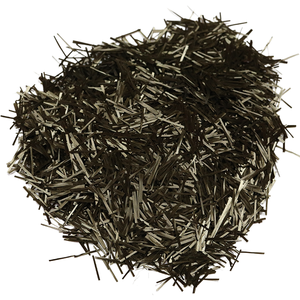
Hot ing High Quality Copper Coated Steel Concrete Fiber for High Performance Concrete

Flat Steel Concrete Fiber Reinforced Concrete Metal Fiber Bridge Deck Paving with Copper Plated Microfiber
ʻO ka pulupulu kila no ka hao i hoʻoikaikaʻia

Daye Whole Factory Directly Supply Stainless Steel Corrugated Fiber Concrete Materials with Special Micro Steel Fibers