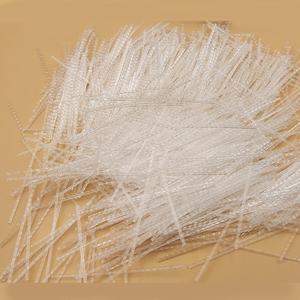
Nā Pākuʻi Paʻa Māmā | Nā ʻĀpana Hoʻohuʻi Kiʻekiʻe no ka Kelepona Kelepona


NA PALAPALA HUA
wehewehe
Overview of Glued Hooked End Steel Fiber for Concrete Reinforcement
No ke kū'ē kiʻekiʻe, hāʻawi mākou i nā Fiber Steel, kahi mea hoʻololi kūpono no ka uwea welded mesh ma nā papahele ʻoihana a me nā mea hoʻolei mua. Hāʻawi pū mākou i nā Structural Synthetic Fibers kūikawā e hāʻawi ana i ka ikaika tensile kiʻekiʻe no nā noi noi.. Hoʻopuehu like ʻia kēia mau fiber i loko o ka hui ʻana, ka hoʻokumu ʻana i kahi pūnaewele hoʻoikaika nui i hiki ʻole ke hoʻokō i nā ʻano kuʻuna. Hoʻomaʻamaʻa kēia ʻano hoʻohui i ke kūkulu ʻana, hoʻokē hoʻokomo, a hoʻonui i ka pono holoʻokoʻa a me ka lōʻihi o ka lāʻau, hāʻawi ʻana i kahi pane hou i nā pilikia o ka wā kahiko a me ka lōʻihi.
Features of Glued Hooked End Steel Fiber for Concrete Reinforcement
1. ʻOi aku ka mana o ka māwae a me ka hoʻoikaika ʻana i ka lōʻihi:
ʻO ka hiʻohiʻona nui o kā mākou fibers ko lākou hiki ke hoʻopaʻa i nā micro-cracks ʻelua i hana ʻia i ka wā o ke kūlana plastik a me nā māwae nui aʻe i loko o ke koʻa paʻa.. Hoʻokumu kēia dispersion ʻekolu-dimensional i kahi matrix cohesive ʻoi aku ka pale ʻana i ka hoʻolaha ʻana. ʻO ka pōmaikaʻi pololei, he hōʻemi nui ia i ka ʻāʻī ʻana o ka plastic a me ka laula māwae lōʻihi. Ke alakaʻi nei kēia i ka ʻoi aku ka lōʻihi o ke koʻikoʻi me ka haʻahaʻa haʻahaʻa, ʻo ia ka mea e hoʻonui ai i ke kū'ē i ka wai komo, pōʻino hoʻoheheʻe, a me ka palahu o kekahi kila i hookomoia. ʻO ka hopena he hale me ka lōʻihi o ke ola lawelawe a hoʻemi ʻia nā kumukūʻai mālama.
2. Hoʻonui i ka hopena a me ka pale ʻana i ka abrasion:
Nā pulu, ʻoi aku ke kila a me nā fiber macro synthetic ikaika, hoʻomaikaʻi maikaʻi i ka paʻakikī o ke kaʻa a me ka hana ma hope o ka haki. Lawe lākou a puʻunaue i ka ikehu ma ka hopena a i ʻole ka hoʻouka ʻana. Hāʻawi kēia hiʻohiʻona i ka pōmaikaʻi o kahi ʻili kūpaʻa ʻoi aku ka liʻiliʻi o ka spalling, ʻokiʻoki, a me ka abrasion ma lalo o ke kaʻa nui a i ʻole ka lole mīkini. He waiwai koʻikoʻi kēia no nā papahele ʻoihana, hale kūʻai pavements, a me nā papahana hoʻolālā, e alakaʻi ana i kahi ʻili paʻakikī e mālama i kona kūpaʻa i ka manawa.
3. ʻO ka maikaʻi o ke kūkulu ʻana a me ka mālama kālā:
ʻO kahi hiʻohiʻona nui o ka hoʻohana ʻana i ka fiber reinforcement ʻo ka hoʻopau ʻana i ka uwea welded mesh (WWF) i nā noi he nui. Hāʻawi kēia i nā pōmaikaʻi nui ma ka pūnaewele: maʻalahi ka hoʻokomo, no ka mea, ʻaʻohe mesh e hoʻonohonoho ʻia a hiki ke hoʻoneʻe ʻia, a hoʻokēʻai i ke kaʻina hana holoʻokoʻa. Ma ka wehe ʻana i kahi hana koʻikoʻi, ʻike nā papahana i ka hōʻemi ʻana i nā kumukūʻai hana a me ka wikiwiki o ka manawa papahana. ʻO ka hāʻawi like ʻana o nā fibers e hōʻoiaʻiʻo i ka hoʻoikaika paʻa ʻana ma ka ʻāpana koneki holoʻokoʻa, like ole mesh, hiki ke waiho pono ole ia, alakaʻi i ka hana hilinaʻi a wānana.

Specification of Glued Hooked End Steel Fiber for Concrete Reinforcement
Glued Connected End Steel Fiber for Concrete Support
Hoʻolauna Huahana
Glued addicted end steel fiber is a high-performance support product made use of in concrete. Each fiber has hooks at both ends and is lightly bonded in tiny packages using a water-soluble glue. This style helps the fibers spread uniformly throughout blending. The hooks give strong anchorage inside the concrete, which enhances durability, kūʻē māwae, and effect toughness.
Mea huna
– Huki i ka laha : The glued package disintegrate easily when mixed with concrete. This avoids clumping and ensures even circulation.
– Improved bonding : The addicted ends lock strongly into the concrete matrix. This boosts post-crack efficiency and structural ductility.
– Easy dealing with : Bundled fibers flow openly and mix rapidly without special equipment. They reduce dust and boost worksite security.
– ʻO ke kū'ē i ka'ōpala : Made from high-carbon steel with optional coatings for added resilience in severe atmospheres.
Nā Kūlana ʻenehana
– Huahana: High-carbon steel (ASTM A820 Grade I).
– Hoʻopaʻa ikaika: liʻiliʻi 1,000 MPa.
– Nui: ʻO ka maʻamau 30 mm i 60 mm.
– Anawaena: ʻO ka maʻamau 0.5 mm i 0.9 mm.
– He kūpono (lōʻihi/anawaena): ʻokoʻa mai 50 i 80.
– Glue kind: Water-soluble, non-toxic binder.
– Dose price: Generally 20– 80 kg no ka mita kubiko o ke koki, e hilinaʻi ana i nā koi hana.
Nā noi
This fiber is optimal for commercial floors, tunnel cellular linings, nā mea hana mua, pana pana, a me na alanui. It works well in jobs that require far better crack control, greater exhaustion resistance, or minimized dependence on standard rebar. Contractors utilize it to accelerate construction and reduced labor expenses while preserving structural integrity.

Applications of Glued Hooked End Steel Fiber for Concrete Reinforcement
Applications of Glued Hooked End Steel Fiber for Concrete Reinforcement
Stronger Concrete with Better Performance
Glued hooked end steel fiber is extensively made use of to strengthen concrete. It aids make concrete tougher and much more resilient. He pōkole nā fiber, thin pieces of steel with hooks on both ends. These hooks lock right into the concrete matrix, which stops splits from dispersing.
This type of fiber works well in commercial floorings. Heavy equipment, forklifts, and consistent web traffic put a great deal of stress and anxiety on floors. Including glued hooked end steel fiber decreases surface wear and avoids cracks from creating early. This implies less repair work and longer life span.
Use in Passages and Underground Frameworks
Māhele, nā hale waihona puke, and below ground parking areas also take advantage of this reinforcement. Traditional rebar takes time to set up and can be hard to position in limited areas. Steel fibers mix right into the concrete. They provide uniform strength in all instructions. This is particularly practical where flexing or impact loads take place usually.
Appropriate for Precast and Shotcrete Projects
Precast concrete aspects like pipelines, nā panela, and manholes use these fibers to boost toughness. I nā noi shotcrete– such as incline stablizing or mining support– the fibers aid the wet mix stick much better to surfaces. They likewise lower rebound, which conserves material and labor.
The adhesive that holds the fibers with each other throughout shipping breaks down when blended right into concrete. This maintains the fibers from clumping and guarantees also circulation. Even diffusion is vital to getting consistent efficiency across the entire structure.
Building contractors select glued connected end steel fiber since it lowers labor, quicken building, and increases long-lasting reliability. It works well alone or along with typical rebar, depending upon the task’s demands. From storehouses to freeways, this support technique delivers real-world outcomes.
Hoʻolauna Hui
Welina mai iā Concrete and More, he mea hoʻolako alakaʻi i nā mea hoʻohui ʻia i ka hana kiʻekiʻe, me kā mākou mea hoʻohaʻahaʻa wai koneki. Me nā makahiki o ka ʻike ma ka mākeke honua, hāʻawi mākou i nā hoʻonā holomua i hoʻolālā ʻia e hoʻomaikaʻi i ka maikaʻi a me ka pono o nā hana kūkulu honua. ʻO kā mākou mau hale hana hou e hōʻoia i nā huahana kiʻekiʻe e kū ana i nā kūlana honua. Haʻaheo mākou iā mākou iho i ka lawelawe kūʻai kūʻokoʻa, kākoʻo ʻenehana, a me nā hāʻina kūpono e hoʻokō i nā pono o ka papahana. E hui pū me mākou no ka hilinaʻi, mea hou, a me ke kumu kūʻai hoʻohui koʻikoʻi e alakaʻi i kāu mau papahana i mua. E ʻimi hou aku ma www.concreteandmore.de/. E kūkulu pū kākou i ka wā e hiki mai ana!
Inā he mau nīnau kāu, e ʻoluʻolu e hoʻokaʻaʻike mai iā mākou.
Uku Uku
T/T, Hui Komohana, Paypal, Kāleka ʻaiʻē etc.
Nā ʻano hoʻouna
Ma ka lewa, ma ke kai, ma ka hoike, e like me ke noi a nā mea kūʻai aku.
5 FAQs of Glued Hooked End Steel Fiber for Concrete Reinforcement
What is Glued Hooked End Steel Fiber?
Glued Hooked End Steel Fiber is a type of steel fiber used to strengthen concrete. Each fiber has hooks on both ends and is held together in small bundles with a water-soluble glue. I ka hui ʻana i loko o ke kaʻa, the glue dissolves. The fibers spread evenly and bond tightly with the concrete. Hoʻonui kēia i ka ikaika a hoʻemi i ka haki.
Why use hooked ends instead of straight fibers?
ʻO ka hooked ends give the fiber a better grip inside the concrete. Straight fibers can pull out more easily under stress. Hooked fibers lock into the concrete matrix. This increases toughness, kū'ē hopena, and overall durability. The result is concrete that holds up better over time.
How does the glue work during mixing?
ʻO ka glue is water-soluble. It keeps fibers bundled for easy handling and even distribution. Once added to the wet concrete mix, water breaks down the glue fast. Fibers separate without clumping. This ensures uniform dispersion and avoids balling or clogging in the mixer.
What are the main benefits in construction?
Using this fiber reduces shrinkage cracks and boosts flexural strength. It also cuts down on the need for traditional rebar or mesh in some applications. Projects like industrial floors, tunnels, and shotcrete benefit most. Labor costs drop because less manual reinforcement is needed.
Is it compatible with standard concrete mixes?
ʻAe. Glued Hooked End Steel Fiber works well with normal and high-performance concrete. It fits into regular batching and mixing processes. ʻAʻole pono nā mea hana kūikawā. Just follow dosage guidelines based on your project’s structural needs. Always test a small batch first to confirm performance.
NOI I KA PALAPALA
NA HUAKAI PILI

High Resilience PP Concrete Fiber PP Synthetic Fiber for Concrete

ʻO ka pāpaʻi PP Pākīpika Fiber Cement Additive Polypropylene Fiber
High Strength Fiberglass Reinforcing Steel for Concrete Reinforcement Fiberglass Rebar
Steel Concrete Fibers

Alanui hao hao hao i hoʻoikaika ʻia i ka hao kuhili ʻole Hook