


Nā Pākuʻi Paʻa Māmā | Nā ʻĀpana Hoʻohuʻi Kiʻekiʻe no ka Kelepona Kelepona


NA PALAPALA HUA
wehewehe
Overview of High Strength AR-Glass Fiber Chopped Strand Fiberglass for Concrete
No ke kū'ē kiʻekiʻe, hāʻawi mākou i nā Fiber Steel, kahi mea hoʻololi kūpono no ka uwea welded mesh ma nā papahele ʻoihana a me nā mea hoʻolei mua. Hāʻawi pū mākou i nā Structural Synthetic Fibers kūikawā e hāʻawi ana i ka ikaika tensile kiʻekiʻe no nā noi noi.. Hoʻopuehu like ʻia kēia mau fiber i loko o ka hui ʻana, ka hoʻokumu ʻana i kahi pūnaewele hoʻoikaika nui i hiki ʻole ke hoʻokō i nā ʻano kuʻuna. Hoʻomaʻamaʻa kēia ʻano hoʻohui i ke kūkulu ʻana, hoʻokē hoʻokomo, a hoʻonui i ka pono holoʻokoʻa a me ka lōʻihi o ka lāʻau, hāʻawi ʻana i kahi pane hou i nā pilikia o ka wā kahiko a me ka lōʻihi.
Features of High Strength AR-Glass Fiber Chopped Strand Fiberglass for Concrete
1. ʻOi aku ka mana o ka māwae a me ka hoʻoikaika ʻana i ka lōʻihi:
ʻO ka hiʻohiʻona nui o kā mākou fibers ko lākou hiki ke hoʻopaʻa i nā micro-cracks ʻelua i hana ʻia i ka wā o ke kūlana plastik a me nā māwae nui aʻe i loko o ke koʻa paʻa.. Hoʻokumu kēia dispersion ʻekolu-dimensional i kahi matrix cohesive ʻoi aku ka pale ʻana i ka hoʻolaha ʻana. ʻO ka pōmaikaʻi pololei, he hōʻemi nui ia i ka ʻāʻī ʻana o ka plastic a me ka laula māwae lōʻihi. Ke alakaʻi nei kēia i ka ʻoi aku ka lōʻihi o ke koʻikoʻi me ka haʻahaʻa haʻahaʻa, ʻo ia ka mea e hoʻonui ai i ke kū'ē i ka wai komo, pōʻino hoʻoheheʻe, a me ka palahu o kekahi kila i hookomoia. ʻO ka hopena he hale me ka lōʻihi o ke ola lawelawe a hoʻemi ʻia nā kumukūʻai mālama.
2. Hoʻonui i ka hopena a me ka pale ʻana i ka abrasion:
Nā pulu, ʻoi aku ke kila a me nā fiber macro synthetic ikaika, hoʻomaikaʻi maikaʻi i ka paʻakikī o ke kaʻa a me ka hana ma hope o ka haki. Lawe lākou a puʻunaue i ka ikehu ma ka hopena a i ʻole ka hoʻouka ʻana. Hāʻawi kēia hiʻohiʻona i ka pōmaikaʻi o kahi ʻili kūpaʻa ʻoi aku ka liʻiliʻi o ka spalling, ʻokiʻoki, a me ka abrasion ma lalo o ke kaʻa nui a i ʻole ka lole mīkini. He waiwai koʻikoʻi kēia no nā papahele ʻoihana, hale kūʻai pavements, a me nā papahana hoʻolālā, e alakaʻi ana i kahi ʻili paʻakikī e mālama i kona kūpaʻa i ka manawa.
3. ʻO ka maikaʻi o ke kūkulu ʻana a me ka mālama kālā:
ʻO kahi hiʻohiʻona nui o ka hoʻohana ʻana i ka fiber reinforcement ʻo ka hoʻopau ʻana i ka uwea welded mesh (WWF) i nā noi he nui. Hāʻawi kēia i nā pōmaikaʻi nui ma ka pūnaewele: maʻalahi ka hoʻokomo, no ka mea, ʻaʻohe mesh e hoʻonohonoho ʻia a hiki ke hoʻoneʻe ʻia, a hoʻokēʻai i ke kaʻina hana holoʻokoʻa. Ma ka wehe ʻana i kahi hana koʻikoʻi, ʻike nā papahana i ka hōʻemi ʻana i nā kumukūʻai hana a me ka wikiwiki o ka manawa papahana. ʻO ka hāʻawi like ʻana o nā fibers e hōʻoiaʻiʻo i ka hoʻoikaika paʻa ʻana ma ka ʻāpana koneki holoʻokoʻa, like ole mesh, hiki ke waiho pono ole ia, alakaʻi i ka hana hilinaʻi a wānana.

Specification of High Strength AR-Glass Fiber Chopped Strand Fiberglass for Concrete
High Stamina AR-Glass Fiber Chopped Hair for Concrete
Mea Hoʻolauna
This product is a high-performance alkali-resistant (AR) glass fiber in cut strand form. It is specially created use in concrete and cement-based materials. The fibers assist enhance strength, control cracking, and increase toughness without the demand for steel support in lots of applications.
Nā hiʻohiʻona huna
The fibers are made from zirconia-rich glass that resists damages from the high alkalinity of concrete. Each hair is exactly cut to constant sizes– commonly 6 mm, 12 mm, a i ʻole 18 mm– to make certain also distribution in the mix. The surface area of every fiber is treated with a special sizing that bonds well with concrete paste. This improves load transfer and general composite efficiency.
Nā Pono ʻenehana
Adding these fibers to concrete lowers plastic shrinkage cracks throughout early treating. They also increase flexural sturdiness and effect resistance in hardened concrete. Unlike traditional reinforcement, AR-glass fibers do not wear away. This makes them excellent for thin-section components like panels, nā uhi, and building precast pieces. The product functions well in both wet-mix and dry-mix spraying processes.
Nā noi maʻamau
Common usages include GFRC (Paniki i hoʻoikaikaʻia i ka fiber Glass) nā panela, ʻōnaehana waho, hoʻoponopono i nā motars lawelawe, stucco, and ornamental concrete components. The fibers are also used in industrial flooring, shotcrete linings, and light-weight building components where long-term architectural stability matters.
Managing and Mixing
The fibers circulation easily and mix easily right into typical concrete sets using conventional equipment. ʻAʻole pono nā mea hana kūikawā. Consistent dispersion is attained with regular mixing times. Shop the product in a dry area away from dampness to preserve quality before usage.
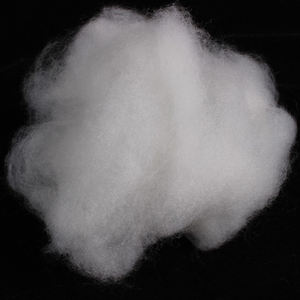
Applications of High Strength AR-Glass Fiber Chopped Strand Fiberglass for Concrete
High Toughness AR-Glass Fiber in Concrete: Real-World Utilizes
ʻOi aku ka ikaika, ʻOi aku ka lōʻihi lōʻihi
Adding high toughness AR-glass fiber sliced strand to concrete makes the material tougher. This fiber resists alkali discovered in concrete. That implies it remains solid with time without breaking down. Building contractors use it to quit splits from creating and spreading out. The outcome is concrete that lasts longer and requires fewer repairs.
Thin and Light-weight Structure Components
AR-glass fiber allows designers make slim concrete panels. These panels are light but still solid. They function well for constructing exteriors, wall cladding, and ornamental pieces. Since the fiber waits together, these components can be made thinner than regular concrete. That cuts weight and shipping prices.
Better Efficiency Without Rust
ʻAʻole like me nā kaula kila, AR-glass does not corrosion. Corrosion can deteriorate concrete and trigger spots. With AR-glass, there’s no danger of rust. This makes it a clever selection for damp areas like pools, water fountains, or coastal buildings. It additionally functions well in places where looks matter– no unsightly corrosion marks will appear.
Simpler to Deal with
The chopped hairs mix equally into concrete. Workers do not require special devices or training. The fiber blends right in throughout regular blending. It likewise aids fresh concrete hold its form far better prior to it hardens. That suggests cleaner sides and smoother surface areas with much less effort.
Utilized Where Sturdiness Matters
You’ll find this fiber in many real tasks. Think sidewalks, nā ala kaʻa, and commercial floorings that take hefty loads. It’s likewise common in precast elements like pipes, manholes, and septic tanks. Even fixing work use it– covering old concrete comes to be extra trusted when AR-glass fiber is included.
Hoʻolauna Hui
Welina mai iā Concrete and More, he mea hoʻolako alakaʻi i nā mea hoʻohui ʻia i ka hana kiʻekiʻe, me kā mākou mea hoʻohaʻahaʻa wai koneki. Me nā makahiki o ka ʻike ma ka mākeke honua, hāʻawi mākou i nā hoʻonā holomua i hoʻolālā ʻia e hoʻomaikaʻi i ka maikaʻi a me ka pono o nā hana kūkulu honua. ʻO kā mākou mau hale hana hou e hōʻoia i nā huahana kiʻekiʻe e kū ana i nā kūlana honua. Haʻaheo mākou iā mākou iho i ka lawelawe kūʻai kūʻokoʻa, kākoʻo ʻenehana, a me nā hāʻina kūpono e hoʻokō i nā pono o ka papahana. E hui pū me mākou no ka hilinaʻi, mea hou, a me ke kumu kūʻai hoʻohui koʻikoʻi e alakaʻi i kāu mau papahana i mua. E ʻimi hou aku ma www.concreteandmore.de/. E kūkulu pū kākou i ka wā e hiki mai ana!
Inā he mau nīnau kāu, e ʻoluʻolu e hoʻokaʻaʻike mai iā mākou.
Uku Uku
T/T, Hui Komohana, Paypal, Kāleka ʻaiʻē etc.
Nā ʻano hoʻouna
Ma ka lewa, ma ke kai, ma ka hoike, e like me ke noi a nā mea kūʻai aku.
5 FAQs of High Strength AR-Glass Fiber Chopped Strand Fiberglass for Concrete
What is high strength AR-glass fiber chopped strand?
High strength AR-glass fiber chopped strand is a special type of fiberglass made for use in concrete. It contains alkali-resistant (AR) glass that can handle the harsh chemical environment inside cement-based materials. The fibers are cut into short lengths—usually 6 i 18 millimeters—and evenly mixed into concrete or mortar.
Why use AR-glass fibers instead of regular glass fibers?
Regular glass fibers break down quickly in concrete because of its high alkalinity. AR-glass fibers have added zirconia, which protects them from chemical damage. This makes them last much longer and keep their strength over time. Using AR-glass helps your concrete stay strong and crack-resistant for years.
Pehea e hoʻomaikaʻi ai kēia fiber i ka hana koneki?
I ka hui ʻana i loko o ke kaʻa, these fibers act like tiny reinforcements throughout the mix. They help control shrinkage cracks, boost impact resistance, and increase flexural strength. The result is a tougher, more durable material that handles stress better than plain concrete.
He mea maʻalahi ke hui a waiho?
ʻAe. The chopped strands disperse well in standard mixing equipment. You don’t need special tools or procedures. Just add the fibers during batching, hui pono, and place as usual. Good dispersion ensures uniform performance without clumping.
What applications work best with this fiber?
This fiber works well in many construction uses. Common examples include thin-shell elements, nā panela precast, stucco, hoʻoponopono i nā mīkini, a me ka panapana. It’s especially useful where steel reinforcement isn’t practical or where you need lighter, non-corrosive alternatives. Builders also choose it for architectural finishes that require smooth surfaces and long-term durability.
NOI I KA PALAPALA
NA HUAKAI PILI
Cracking Resistance Reinforced 6mm PP Cement Concrete Fiber for Concrete Wall
Nā hopena i hoʻolauna ʻia ʻo Twist Fiber Pilikino Pilikino ʻAi ʻokiʻoki ʻia nā ʻāpana i hoʻoikaika ʻia.
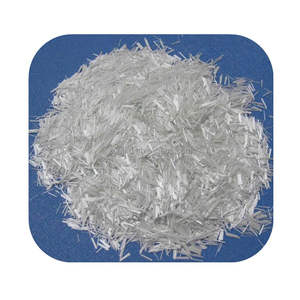
12mm 19mm 24mm pp polypropylene mesh Fibrillated kaila puluniu pulupulu
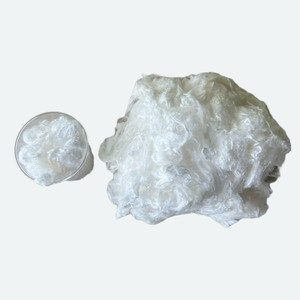
ʻEleʻele Fiberglass Rod Smooth Thread Hoʻopau no ke kūkulu ʻana i ʻoki ʻia no ke kauoha ʻana i nā Kiʻi Fiber Glass Anuenue.
Nā huahana hoʻolaha holoʻokoʻa kiʻekiʻe kiʻekiʻe Polyethylene Synthetic Fibers No ka Paʻa
