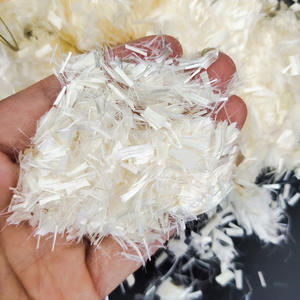
Nā Pākuʻi Paʻa Māmā | Nā ʻĀpana Hoʻohuʻi Kiʻekiʻe no ka Kelepona Kelepona

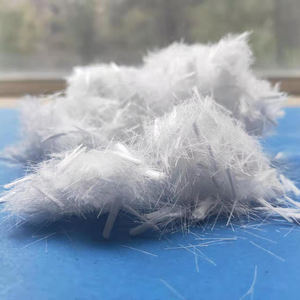
NA PALAPALA HUA
wehewehe
Overview of High Strength Fiberglass Chopped Strand Concrete Fiber for Reinforced Compounds Fiber Concrete
No ke kū'ē kiʻekiʻe, hāʻawi mākou i nā Fiber Steel, kahi mea hoʻololi kūpono no ka uwea welded mesh ma nā papahele ʻoihana a me nā mea hoʻolei mua. Hāʻawi pū mākou i nā Structural Synthetic Fibers kūikawā e hāʻawi ana i ka ikaika tensile kiʻekiʻe no nā noi noi.. Hoʻopuehu like ʻia kēia mau fiber i loko o ka hui ʻana, ka hoʻokumu ʻana i kahi pūnaewele hoʻoikaika nui i hiki ʻole ke hoʻokō i nā ʻano kuʻuna. Hoʻomaʻamaʻa kēia ʻano hoʻohui i ke kūkulu ʻana, hoʻokē hoʻokomo, a hoʻonui i ka pono holoʻokoʻa a me ka lōʻihi o ka lāʻau, hāʻawi ʻana i kahi pane hou i nā pilikia o ka wā kahiko a me ka lōʻihi.
Features of High Strength Fiberglass Chopped Strand Concrete Fiber for Reinforced Compounds Fiber Concrete
1. ʻOi aku ka mana o ka māwae a me ka hoʻoikaika ʻana i ka lōʻihi:
ʻO ka hiʻohiʻona nui o kā mākou fibers ko lākou hiki ke hoʻopaʻa i nā micro-cracks ʻelua i hana ʻia i ka wā o ke kūlana plastik a me nā māwae nui aʻe i loko o ke koʻa paʻa.. Hoʻokumu kēia dispersion ʻekolu-dimensional i kahi matrix cohesive ʻoi aku ka pale ʻana i ka hoʻolaha ʻana. ʻO ka pōmaikaʻi pololei, he hōʻemi nui ia i ka ʻāʻī ʻana o ka plastic a me ka laula māwae lōʻihi. Ke alakaʻi nei kēia i ka ʻoi aku ka lōʻihi o ke koʻikoʻi me ka haʻahaʻa haʻahaʻa, ʻo ia ka mea e hoʻonui ai i ke kū'ē i ka wai komo, pōʻino hoʻoheheʻe, a me ka palahu o kekahi kila i hookomoia. ʻO ka hopena he hale me ka lōʻihi o ke ola lawelawe a hoʻemi ʻia nā kumukūʻai mālama.
2. Hoʻonui i ka hopena a me ka pale ʻana i ka abrasion:
Nā pulu, ʻoi aku ke kila a me nā fiber macro synthetic ikaika, hoʻomaikaʻi maikaʻi i ka paʻakikī o ke kaʻa a me ka hana ma hope o ka haki. Lawe lākou a puʻunaue i ka ikehu ma ka hopena a i ʻole ka hoʻouka ʻana. Hāʻawi kēia hiʻohiʻona i ka pōmaikaʻi o kahi ʻili kūpaʻa ʻoi aku ka liʻiliʻi o ka spalling, ʻokiʻoki, a me ka abrasion ma lalo o ke kaʻa nui a i ʻole ka lole mīkini. He waiwai koʻikoʻi kēia no nā papahele ʻoihana, hale kūʻai pavements, a me nā papahana hoʻolālā, e alakaʻi ana i kahi ʻili paʻakikī e mālama i kona kūpaʻa i ka manawa.
3. ʻO ka maikaʻi o ke kūkulu ʻana a me ka mālama kālā:
ʻO kahi hiʻohiʻona nui o ka hoʻohana ʻana i ka fiber reinforcement ʻo ka hoʻopau ʻana i ka uwea welded mesh (WWF) i nā noi he nui. Hāʻawi kēia i nā pōmaikaʻi nui ma ka pūnaewele: maʻalahi ka hoʻokomo, no ka mea, ʻaʻohe mesh e hoʻonohonoho ʻia a hiki ke hoʻoneʻe ʻia, a hoʻokēʻai i ke kaʻina hana holoʻokoʻa. Ma ka wehe ʻana i kahi hana koʻikoʻi, ʻike nā papahana i ka hōʻemi ʻana i nā kumukūʻai hana a me ka wikiwiki o ka manawa papahana. ʻO ka hāʻawi like ʻana o nā fibers e hōʻoiaʻiʻo i ka hoʻoikaika paʻa ʻana ma ka ʻāpana koneki holoʻokoʻa, like ole mesh, hiki ke waiho pono ole ia, alakaʻi i ka hana hilinaʻi a wānana.

Specification of High Strength Fiberglass Chopped Strand Concrete Fiber for Reinforced Compounds Fiber Concrete
High Toughness Fiberglass Chopped Hair Concrete Fiber
Hōʻuluʻulu Huahana
Our high stamina fiberglass cut hair concrete fiber is made for use in strengthened compounds and fiber concrete. It offers much better performance than standard support options. He pōkole nā fiber, evenly cut hairs of alkali-resistant glass. They blend well right into cement-based products without clumping.
Nā hiʻohiʻona hoʻopunipuni
ʻO ke kūpaʻa: These fibers resist splitting triggered by shrinking, hoʻololi wela, and influence. They help maintain concrete strong with time.
Alkali Resistance: Specially dealt with to stand up to the high pH environment inside concrete. This makes sure lasting stability and performance.
Uniform Diffusion: Each batch is made to spread out evenly via the mix. This avoids weak points and boosts total consistency.
Maʻalahi e hoʻohana: ʻAʻole pono nā mea hana kūikawā. Just add the fibers during normal blending. They deal with common concrete manufacturing techniques.
Nā Kūlana ʻenehana
– Fiber Size: 6 mm, 12 mm, a i ʻole 18 mm (personalized lengths offered).
– Anawaena: About 13– 15 microns.
– Ikaika U'i: liʻiliʻi 1,600 MPa.
– Elastic Modulus: A puni 72 GPa.
– Alkali Content: ZrO ₂ ≥ 16% for boosted chemical resistance.
– Hoʻopili huahana: 20 kg multi-wall paper bags with dampness obstacle.
Nā noi
This fiber works well in many building usages. It is optimal for precast aspects, pana pana, papahele, industrial pieces, a me ka hooponopono ana i na morta. Home builders use it to decrease plastic shrinking cracks and improve durability. It also improves flexural strength and assists control crack width in hardened concrete. The outcome is an extra dependable, longer-lasting framework with less requirement for steel mesh or rebar in non-structural applications.
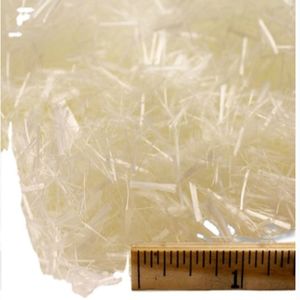
Applications of High Strength Fiberglass Chopped Strand Concrete Fiber for Reinforced Compounds Fiber Concrete
High-Strength Fiberglass Chopped Strand Concrete Fiber
What It Is and Why It Issues
High-strength fiberglass sliced strand concrete fiber is an unique kind of support made use of in concrete and various other cement-based materials. ʻO kēia mau pōkole, equally cut fibers blend straight right into the concrete throughout batching. They assist regulate cracking, hoʻonui i ka paʻa, and improve total longevity without requiring conventional steel mesh or rebar in several applications.
Nā noi nui
Contractors use this fiber in commercial floor covering where hefty lots and consistent traffic prevail. The fibers reduce surface area cracks and prolong the floor’s life span. In precast concrete items like pipelines, manholes, a me na paneli ili o ka paia, the material includes flexural toughness and helps avoid damage during handling and installation.
Shotcrete and splashed concrete likewise benefit from fiberglass cut strands. The fibers hold the mix together much better during application and reduced rebound loss. This leads to smoother coatings and much less thrown away product. For household jobs, service providers include the fiber to driveways, patio areas, and garage pieces to restrict contraction cracks brought on by drying out and temperature level modifications.
Thin-section concrete elements– such as overlays, hana hoʻoponopono ʻana i nā morta, and architectural panels– count on these fibers for included tensile toughness. Because the fibers disperse uniformly, they sustain consistent efficiency throughout the entire framework. ʻAʻole like me ke kila, fiberglass does not rust. This makes it perfect for damp or chemically hostile environments like wastewater treatment plants or marine frameworks.
Nā Hana Hana
The fiber bonds well with cement paste, producing a strong compound. It improves effect resistance and assists concrete take in power without breaking apart. Workability stays high due to the fact that the fibers do not glob when blended properly. Positioning and finishing continue to be straightforward with conventional tools and approaches. Ikaika , durable results originate from a tiny enhancement– maʻamau wale nō 0.5 i 1.5 kilokani no ka mita kubiko o ke koki.
ʻO ka moʻolelo o ka hui
ʻO mākou ke alakaʻi o ka honua i nā ʻenehana māmā a me nā hoʻonā ʻenehana i hana ʻia. ʻIke ʻia ma ka honua holoʻokoʻa no kāna kūpaʻa i ka noiʻi, mea hou, a me ka ʻike noiʻi, ke hāʻawi nei mākou i nā hoʻonā ʻenehana i hana ʻia mai ka makahiki 2012.
Hiki iā mākou ke hāʻawi aku i ka hoʻohui ʻana i nā mea hoʻohui kiʻekiʻe kiʻekiʻe a me nā huahana pili i ka foam concrete a puni ka honua.
He keʻena ʻenehana ʻoihana a me ka ʻoihana kiaʻi maikaʻi ka hui, he hale hana i hoolako pono ia, a hoʻolako ʻia me nā lako hoʻāʻo kiʻekiʻe a me ke kikowaena lawelawe mea kūʻai aku ma hope o ke kūʻai aku.
Inā hoihoi ʻoe, e ʻoluʻolu a e hoʻokaʻaʻike mai iā mākou.
Uku
T/T, Hui Komohana, Paypal, Kāleka ʻaiʻē etc.
Hoʻouna
Ma ka lewa, ma ke kai, ma ka hoike, e like me ke noi a nā mea kūʻai aku.
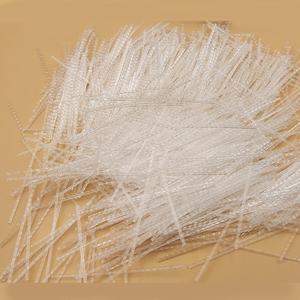
5 FAQs of High Strength Fiberglass Chopped Strand Concrete Fiber for Reinforced Compounds Fiber Concrete
Nīnau pinepine: High-Strength Fiberglass Chopped Strand Concrete Fiber
What is high-strength fiberglass chopped strand concrete fiber?
This fiber is made from fine glass strands cut into short pieces. It mixes into concrete or mortar to improve strength and durability. The fibers help control cracks and boost impact resistance without using steel.
Why use fiberglass fibers instead of steel fibers?
Fiberglass fibers do not rust. They are lighter than steel and easier to mix evenly into concrete. They also won’t corrode over time, which helps the structure last longer—especially in wet or harsh environments.
Pehea e hoʻomaikaʻi ai kēia fiber i ka hana koneki?
Ke hoʻohui ʻia i ke kaʻa, the fibers spread stress across a wider area. This reduces surface cracking during drying and after hardening. The result is tougher concrete that handles bending, hopena, and wear better than plain concrete.
What applications work best with this fiber?
It works well in precast panels, paipu, tile, stucco, a me ka panapana. Builders also use it in industrial floors, nā ala kaʻa, a me ka hooponopono ana i na morta. Any project needing crack control and long-term durability can benefit from this fiber.
ʻEhia ka nui o ka fiber e pono iaʻu e hoʻohui i kaʻu hui?
ʻO ka dosage maʻamau mai 0.5 i 2.0 paona no ka iwilei kubika o ke koki. Exact amounts depend on your project’s needs. Always follow the manufacturer’s instructions or consult a professional to get the right mix for your application.
NOI I KA PALAPALA
NA HUAKAI PILI
Cement Blanket Concrete Fiber Cloth Blanket for Artificial Lake Landfill Material of Cement and Fiber

ʻO Polypropylene Synthetic Macro Fibers no ka ulu ʻana o ka paʻakai ma nā mea hana kemika

Hoʻohana nui ʻia ka ʻoihana hoʻolako ʻana i ka carbon concrete fiber Felt no ka hoʻohana ʻana i ka hale hana

Cheap 100 Percent Polypropylene Concrete Fiber Microfiber for Concrete Improve Quality and Extend Life
ʻO ke kiʻekiʻe kiʻekiʻe Carbon Concrete Fiber 450g Triaxial Carbon Fiber no ka hoʻoponopono paʻa.