Nā Pākuʻi Paʻa Māmā | Nā ʻĀpana Hoʻohuʻi Kiʻekiʻe no ka Kelepona Kelepona


NA PALAPALA HUA
wehewehe
Overview of High temperature carbon fiber concrete castable mortar refractory concrete for precast furnace parts
No ke kū'ē kiʻekiʻe, hāʻawi mākou i nā Fiber Steel, kahi mea hoʻololi kūpono no ka uwea welded mesh ma nā papahele ʻoihana a me nā mea hoʻolei mua. Hāʻawi pū mākou i nā Structural Synthetic Fibers kūikawā e hāʻawi ana i ka ikaika tensile kiʻekiʻe no nā noi noi.. Hoʻopuehu like ʻia kēia mau fiber i loko o ka hui ʻana, ka hoʻokumu ʻana i kahi pūnaewele hoʻoikaika nui i hiki ʻole ke hoʻokō i nā ʻano kuʻuna. Hoʻomaʻamaʻa kēia ʻano hoʻohui i ke kūkulu ʻana, hoʻokē hoʻokomo, a hoʻonui i ka pono holoʻokoʻa a me ka lōʻihi o ka lāʻau, hāʻawi ʻana i kahi pane hou i nā pilikia o ka wā kahiko a me ka lōʻihi.
Features of High temperature carbon fiber concrete castable mortar refractory concrete for precast furnace parts
1. ʻOi aku ka mana o ka māwae a me ka hoʻoikaika ʻana i ka lōʻihi:
ʻO ka hiʻohiʻona nui o kā mākou fibers ko lākou hiki ke hoʻopaʻa i nā micro-cracks ʻelua i hana ʻia i ka wā o ke kūlana plastik a me nā māwae nui aʻe i loko o ke koʻa paʻa.. Hoʻokumu kēia dispersion ʻekolu-dimensional i kahi matrix cohesive ʻoi aku ka pale ʻana i ka hoʻolaha ʻana. ʻO ka pōmaikaʻi pololei, he hōʻemi nui ia i ka ʻāʻī ʻana o ka plastic a me ka laula māwae lōʻihi. Ke alakaʻi nei kēia i ka ʻoi aku ka lōʻihi o ke koʻikoʻi me ka haʻahaʻa haʻahaʻa, ʻo ia ka mea e hoʻonui ai i ke kū'ē i ka wai komo, pōʻino hoʻoheheʻe, a me ka palahu o kekahi kila i hookomoia. ʻO ka hopena he hale me ka lōʻihi o ke ola lawelawe a hoʻemi ʻia nā kumukūʻai mālama.
2. Hoʻonui i ka hopena a me ka pale ʻana i ka abrasion:
Nā pulu, ʻoi aku ke kila a me nā fiber macro synthetic ikaika, hoʻomaikaʻi maikaʻi i ka paʻakikī o ke kaʻa a me ka hana ma hope o ka haki. Lawe lākou a puʻunaue i ka ikehu ma ka hopena a i ʻole ka hoʻouka ʻana. Hāʻawi kēia hiʻohiʻona i ka pōmaikaʻi o kahi ʻili kūpaʻa ʻoi aku ka liʻiliʻi o ka spalling, ʻokiʻoki, a me ka abrasion ma lalo o ke kaʻa nui a i ʻole ka lole mīkini. He waiwai koʻikoʻi kēia no nā papahele ʻoihana, hale kūʻai pavements, a me nā papahana hoʻolālā, e alakaʻi ana i kahi ʻili paʻakikī e mālama i kona kūpaʻa i ka manawa.
3. ʻO ka maikaʻi o ke kūkulu ʻana a me ka mālama kālā:
ʻO kahi hiʻohiʻona nui o ka hoʻohana ʻana i ka fiber reinforcement ʻo ka hoʻopau ʻana i ka uwea welded mesh (WWF) i nā noi he nui. Hāʻawi kēia i nā pōmaikaʻi nui ma ka pūnaewele: maʻalahi ka hoʻokomo, no ka mea, ʻaʻohe mesh e hoʻonohonoho ʻia a hiki ke hoʻoneʻe ʻia, a hoʻokēʻai i ke kaʻina hana holoʻokoʻa. Ma ka wehe ʻana i kahi hana koʻikoʻi, ʻike nā papahana i ka hōʻemi ʻana i nā kumukūʻai hana a me ka wikiwiki o ka manawa papahana. ʻO ka hāʻawi like ʻana o nā fibers e hōʻoiaʻiʻo i ka hoʻoikaika paʻa ʻana ma ka ʻāpana koneki holoʻokoʻa, like ole mesh, hiki ke waiho pono ole ia, alakaʻi i ka hana hilinaʻi a wānana.

Specification of High temperature carbon fiber concrete castable mortar refractory concrete for precast furnace parts
High-Temperature Carbon Fiber Concrete Castable Mortar
For Precast Furnace Components
This refractory concrete is created precast parts made use of in high-heat industrial furnaces. It combines fine-grade refractory accumulations with carbon fibers and special binders. The mix offers strong structural assistance even at temperatures above 1,200 ° C (2,192 ° F).
Mea huna
The carbon fibers increase toughness and lower splitting during heating and cooling down cycles. This castable mortar streams quickly into molds, so it fills complicated shapes without needing resonance. Once treated and dried out, he paapu, difficult body that resists thermal shock, abrasion, and chemical strike.
Nā Pōmaikaʻi Hana
Parts made with this material keep their form and stamina under long-term warmth exposure. They show reduced shrinking and high load-bearing capability. The carbon fiber network aids stop tiny cracks from expanding, which expands life span in demanding heating system zones like heater areas, arches, and hearths.
Setup and Treating
Mix the dry powder with clean water as directed. Pour or cast right into molds right after mixing. Let it evaluated space temperature level for 1 lā. Then completely dry slowly– very first at ambient conditions, after that gradually increase the temperature level to get rid of moisture before full heat-up. Correct drying out prevents heavy steam stress build-up and surface spalling.
Nā noi maʻamau
Utilize this refractory concrete for precast blocks, heater tiles, checker bricks, and custom furnace linings. It functions well in steel, aniani, kaʻakū, and non-ferrous steel markets where dependability at high temperatures matters most.
Shop the dry mix in a dry place. Keep bags secured until use. ʻO ke ola mālama 12 mahina ke mālama pono ʻia. Constantly follow safety guidelines when managing refractory products.

Applications of High temperature carbon fiber concrete castable mortar refractory concrete for precast furnace parts
High-Temperature Carbon Fiber Concrete for Precast Heating System Components
Engineered for Extreme Warmth and Durability
This refractory concrete mix includes carbon fibers to manage very high temperatures. It is produced precast heating system parts that need to operate in harsh thermal settings. The carbon fibers improve toughness, minimize breaking, and assist the product last much longer under repeated home heating and cooling cycles.
Why pick this castable mortar?
It bonds well throughout spreading and treatments into a dense, solid framework. Unlike common refractory blends, it resists spalling– when surface layers flake off because of thermal tension. This makes it optimal for linings, pahu kuni, and other designed components inside commercial furnaces.
Key efficiency advantages
The carbon fiber reinforcement enhances sturdiness without including weight. It additionally improves thermal shock resistance. That suggests the precast components can heat up or cool quickly without damaging. The mix moves conveniently into mold and mildews, so complex shapes develop cleanly with smooth surface areas. After curing and drying out, the parts reveal reduced porosity and high abrasion resistance.
Common uses
Shops, steel mills, and glass plants utilize these precast pieces in locations where temperature level surpasses 1,000 ° C. Instances consist of tundish dams, ladle shadows, and burner nozzles. Because the parts are made off-site, installation is faster and much more regular than on-site casting.
Handling and healing
Blend with clean water as guided. Put right into molds and allow heal at room temperature for 24 hola. Then dry gradually prior to initial heat-up. Proper drying out stops steam stress accumulation that might trigger splits.
This carbon fiber concrete offers trusted performance where average refractories fail. It meets the needs of modern-day high-temperature processes while supporting reliable production of customized heater elements.
Hoʻolauna Hui
Welina mai iā Concrete and More, he mea hoʻolako alakaʻi i nā mea hoʻohui ʻia i ka hana kiʻekiʻe, me kā mākou mea hoʻohaʻahaʻa wai koneki. Me nā makahiki o ka ʻike ma ka mākeke honua, hāʻawi mākou i nā hoʻonā holomua i hoʻolālā ʻia e hoʻomaikaʻi i ka maikaʻi a me ka pono o nā hana kūkulu honua. ʻO kā mākou mau hale hana hou e hōʻoia i nā huahana kiʻekiʻe e kū ana i nā kūlana honua. Haʻaheo mākou iā mākou iho i ka lawelawe kūʻai kūʻokoʻa, kākoʻo ʻenehana, a me nā hāʻina kūpono e hoʻokō i nā pono o ka papahana. E hui pū me mākou no ka hilinaʻi, mea hou, a me ke kumu kūʻai hoʻohui koʻikoʻi e alakaʻi i kāu mau papahana i mua. E ʻimi hou aku ma www.concreteandmore.de/. E kūkulu pū kākou i ka wā e hiki mai ana!
Inā he mau nīnau kāu, e ʻoluʻolu e hoʻokaʻaʻike mai iā mākou.
Uku Uku
T/T, Hui Komohana, Paypal, Kāleka ʻaiʻē etc.
Nā ʻano hoʻouna
Ma ka lewa, ma ke kai, ma ka hoike, e like me ke noi a nā mea kūʻai aku.

5 FAQs of High temperature carbon fiber concrete castable mortar refractory concrete for precast furnace parts
Nīnau pinepine
What is high-temperature carbon fiber concrete castable mortar?
This is a special refractory concrete mix. It contains carbon fibers and other heat-resistant materials. The mix is made for casting precast parts used inside industrial furnaces. It stays strong even at very high temperatures.
Why use carbon fibers in refractory concrete?
Carbon fibers help the concrete handle sudden temperature changes without cracking. They also improve toughness and reduce shrinkage during drying and heating. This makes furnace parts last longer and perform better under stress.
Can this mortar be used for any furnace part?
It works best for precast sections like burner blocks, hearths, and linings that face extreme heat. Always check the operating temperature and chemical environment of your furnace. Not all parts need this level of performance.
How is this product installed?
You mix it with water to form a pourable slurry. Then you pour it into molds to shape the furnace parts. Ma hope o ka ho'ōla, the parts are dried slowly and heated gradually before full use. Follow the mixing and curing instructions carefully for best results.
What temperatures can this refractory concrete withstand?
It remains stable up to 1,400°C (2,550°F) a i ʻole ke kiʻekiʻe, depending on the exact formulation. The carbon fibers and binder system are chosen to keep strength and integrity at these levels. Always confirm the max service temperature for your specific application.
NOI I KA PALAPALA
NA HUAKAI PILI

Hana Kiʻekiʻe GFRP Bar Glass Concrete Fiber Rebar Epoxy Composite no ka hoʻoikaika paʻa.

ʻO Staple Fiber Mortar a me ka mea paʻa i ke kumu elastic ikaika PP mesh fiber
Making Panel Machine Fiber Cement EPS Foam Precast Concrete Wall Panel Board Machine Equipment
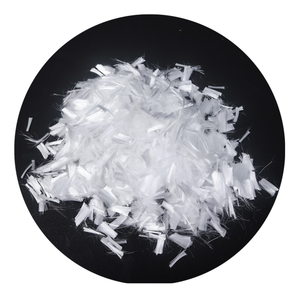
Basalt Fiber Chopped Strand 15-30mm For Concrete And Mortar

Factory ing High Tenancy 100%PP Polypropylene Fiber Polypropylene Staple Fiber for Concrete Cement12mm 15mm