


Nā Pākuʻi Paʻa Māmā | Nā ʻĀpana Hoʻohuʻi Kiʻekiʻe no ka Kelepona Kelepona


NA PALAPALA HUA
wehewehe
Overview of Lignin Wood Cellulose Fiber For Asphalt Concrete Reinforcement Thickening Crack Resistance
No ke kū'ē kiʻekiʻe, hāʻawi mākou i nā Fiber Steel, kahi mea hoʻololi kūpono no ka uwea welded mesh ma nā papahele ʻoihana a me nā mea hoʻolei mua. Hāʻawi pū mākou i nā Structural Synthetic Fibers kūikawā e hāʻawi ana i ka ikaika tensile kiʻekiʻe no nā noi noi.. Hoʻopuehu like ʻia kēia mau fiber i loko o ka hui ʻana, ka hoʻokumu ʻana i kahi pūnaewele hoʻoikaika nui i hiki ʻole ke hoʻokō i nā ʻano kuʻuna. Hoʻomaʻamaʻa kēia ʻano hoʻohui i ke kūkulu ʻana, hoʻokē hoʻokomo, a hoʻonui i ka pono holoʻokoʻa a me ka lōʻihi o ka lāʻau, hāʻawi ʻana i kahi pane hou i nā pilikia o ka wā kahiko a me ka lōʻihi.
Features of Lignin Wood Cellulose Fiber For Asphalt Concrete Reinforcement Thickening Crack Resistance
1. ʻOi aku ka mana o ka māwae a me ka hoʻoikaika ʻana i ka lōʻihi:
ʻO ka hiʻohiʻona nui o kā mākou fibers ko lākou hiki ke hoʻopaʻa i nā micro-cracks ʻelua i hana ʻia i ka wā o ke kūlana plastik a me nā māwae nui aʻe i loko o ke koʻa paʻa.. Hoʻokumu kēia dispersion ʻekolu-dimensional i kahi matrix cohesive ʻoi aku ka pale ʻana i ka hoʻolaha ʻana. ʻO ka pōmaikaʻi pololei, he hōʻemi nui ia i ka ʻāʻī ʻana o ka plastic a me ka laula māwae lōʻihi. Ke alakaʻi nei kēia i ka ʻoi aku ka lōʻihi o ke koʻikoʻi me ka haʻahaʻa haʻahaʻa, ʻo ia ka mea e hoʻonui ai i ke kū'ē i ka wai komo, pōʻino hoʻoheheʻe, a me ka palahu o kekahi kila i hookomoia. ʻO ka hopena he hale me ka lōʻihi o ke ola lawelawe a hoʻemi ʻia nā kumukūʻai mālama.
2. Hoʻonui i ka hopena a me ka pale ʻana i ka abrasion:
Nā pulu, ʻoi aku ke kila a me nā fiber macro synthetic ikaika, hoʻomaikaʻi maikaʻi i ka paʻakikī o ke kaʻa a me ka hana ma hope o ka haki. Lawe lākou a puʻunaue i ka ikehu ma ka hopena a i ʻole ka hoʻouka ʻana. Hāʻawi kēia hiʻohiʻona i ka pōmaikaʻi o kahi ʻili kūpaʻa ʻoi aku ka liʻiliʻi o ka spalling, ʻokiʻoki, a me ka abrasion ma lalo o ke kaʻa nui a i ʻole ka lole mīkini. He waiwai koʻikoʻi kēia no nā papahele ʻoihana, hale kūʻai pavements, a me nā papahana hoʻolālā, e alakaʻi ana i kahi ʻili paʻakikī e mālama i kona kūpaʻa i ka manawa.
3. ʻO ka maikaʻi o ke kūkulu ʻana a me ka mālama kālā:
ʻO kahi hiʻohiʻona nui o ka hoʻohana ʻana i ka fiber reinforcement ʻo ka hoʻopau ʻana i ka uwea welded mesh (WWF) i nā noi he nui. Hāʻawi kēia i nā pōmaikaʻi nui ma ka pūnaewele: maʻalahi ka hoʻokomo, no ka mea, ʻaʻohe mesh e hoʻonohonoho ʻia a hiki ke hoʻoneʻe ʻia, a hoʻokēʻai i ke kaʻina hana holoʻokoʻa. Ma ka wehe ʻana i kahi hana koʻikoʻi, ʻike nā papahana i ka hōʻemi ʻana i nā kumukūʻai hana a me ka wikiwiki o ka manawa papahana. ʻO ka hāʻawi like ʻana o nā fibers e hōʻoiaʻiʻo i ka hoʻoikaika paʻa ʻana ma ka ʻāpana koneki holoʻokoʻa, like ole mesh, hiki ke waiho pono ole ia, alakaʻi i ka hana hilinaʻi a wānana.

Specification of Lignin Wood Cellulose Fiber For Asphalt Concrete Reinforcement Thickening Crack Resistance
Specification of Lignin Timber Cellulose Fiber for Asphalt Concrete
Nānā Huahana
Lignin timber cellulose fiber is an all-natural additive made from top notch wood pulp. It is specifically designed to boost the efficiency of asphalt concrete. This fiber assists make asphalt blends more powerful, much more steady, and much less likely to split under stress or temperature level modifications.
Nā hiʻohiʻona huna
The fiber has superb water retention and dispersibility. It blends evenly into hot-mix asphalt without clumping. Its lignin content enhances adhesion between asphalt binder and aggregates. This results in better cohesion and lowered binder drainage during transport and placement.
Nā Pōmaikaʻi ʻenehana
When mixed into asphalt, the fiber works as a three-dimensional reinforcement network. It boosts the mix’s thickness, which improves workability and minimizes segregation. The fiber additionally takes in excess asphalt oil, protecting against blood loss when traveling surface area. Most significantly, it enhances crack resistance by holding the matrix together under repeated website traffic loads and thermal cycles.
Nā hiʻohiʻona kino
– Fiber size: 1.0– 6.0 mm
– Anawaena: 20– 50 microns
– ʻAno lehu: ≤ 5%.
– Maʻiʻo pūnaewele wai: ≤ 8%.
– waiwai pH: 6.5– 7.5.
– ʻAiʻi nui: 30– 60 kg/m EKOLU.
E hoʻohana i nā Kūlana
Hoʻohui 0.3% i 0.5% by weight of total asphalt mix. Mix completely at conventional manufacturing temperatures (150– 180 ° C). ʻAʻole pono nā mea hana kūikawā– standard drum or set plants function well. Guarantee even distribution to get regular efficiency across the whole pavement layer.
This natural fiber supplies a cost-efficient, environment-friendly service for developing longer-lasting roadways with less upkeep demands. It meets industry requirements for efficiency and compatibility with common asphalt products.
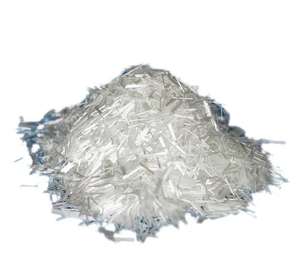
Applications of Lignin Wood Cellulose Fiber For Asphalt Concrete Reinforcement Thickening Crack Resistance
Applications of Lignin Wood Cellulose Fiber in Asphalt Concrete
More Powerful Roadways with Natural Fibers
Lignin wood cellulose fiber is an all-natural material drawn from wood. It works well in asphalt concrete blends. Home builders add it to enhance roadway efficiency. The fiber assists hold the mix together. This makes the pavement stronger and a lot more stable.
Much Better Split Resistance
One huge trouble with asphalt roads is cracking. Temperature modifications, rush hour, and aging all cause cracks. Lignin timber cellulose fiber decreases this risk. It spreads tension across the surface. Tiny fractures that begin early obtain blocked from expanding. Roads remain smooth much longer. Maintenance prices go down.
Enhanced Thickness and Security
When blended into hot asphalt, the fibers swell somewhat. They take in some of the binder oil. This quits the mix from leaking or draining pipes during transportation and laying. The outcome is a thicker, extra uniform layer. Employees discover it simpler to spread out uniformly. The last surface area holds its form better under stress.
Pilikino a me ke kumu kūʻai
This fiber comes from sustainable timber sources. It changes artificial options that cost more and harm the atmosphere. Making use of lignin timber cellulose supports eco-friendly building and construction. It additionally cuts overall task costs. Less worldly waste indicates less repair services later on.
Maʻalahi e hoʻohana
Contractors do not require special devices to use this fiber. It mixes conveniently right into conventional asphalt plants. Just include it throughout blending like other ingredients. No extra actions are needed. The procedure stays quick and reliable.
Roadways constructed with lignin timber cellulose fiber last longer. They manage climate and website traffic better. Cities and contractors obtain reliable results without complicated changes to their job. This all-natural fiber offers real advantages for contemporary paving needs.
Hoʻolauna Hui
Welina mai iā Concrete and More, he mea hoʻolako alakaʻi i nā mea hoʻohui ʻia i ka hana kiʻekiʻe, me kā mākou mea hoʻohaʻahaʻa wai koneki. Me nā makahiki o ka ʻike ma ka mākeke honua, hāʻawi mākou i nā hoʻonā holomua i hoʻolālā ʻia e hoʻomaikaʻi i ka maikaʻi a me ka pono o nā hana kūkulu honua. ʻO kā mākou mau hale hana hou e hōʻoia i nā huahana kiʻekiʻe e kū ana i nā kūlana honua. Haʻaheo mākou iā mākou iho i ka lawelawe kūʻai kūʻokoʻa, kākoʻo ʻenehana, a me nā hāʻina kūpono e hoʻokō i nā pono o ka papahana. E hui pū me mākou no ka hilinaʻi, mea hou, a me ke kumu kūʻai hoʻohui koʻikoʻi e alakaʻi i kāu mau papahana i mua. E ʻimi hou aku ma www.concreteandmore.de/. E kūkulu pū kākou i ka wā e hiki mai ana!
Inā he mau nīnau kāu, e ʻoluʻolu e hoʻokaʻaʻike mai iā mākou.
Uku Uku
T/T, Hui Komohana, Paypal, Kāleka ʻaiʻē etc.
Nā ʻano hoʻouna
Ma ka lewa, ma ke kai, ma ka hoike, e like me ke noi a nā mea kūʻai aku.
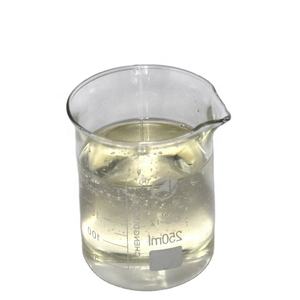
5 FAQs of Lignin Wood Cellulose Fiber For Asphalt Concrete Reinforcement Thickening Crack Resistance
Frequently Asked Questions About Lignin Wood Cellulose Fiber for Asphalt Concrete
What is lignin wood cellulose fiber?
Lignin wood cellulose fiber comes from natural wood. It contains both cellulose and lignin. This fiber is used to improve asphalt concrete. It helps make the mix stronger and more stable.
How does it help asphalt concrete?
The fiber acts like a support inside the asphalt mix. It holds the material together. This reduces cracking and stops the mix from separating when hot. It also makes the pavement last longer under heavy traffic.
Why choose this fiber over others?
This fiber is eco-friendly because it comes from renewable wood sources. It mixes well with asphalt. It does not need extra chemicals or complex steps. The result is a reliable, cost-effective solution for road builders.
Does it affect how asphalt is laid?
ʻAʻole. You can use standard paving equipment. Just add the fiber during mixing. The process stays the same. Workers do not need special training. The fiber blends in smoothly and evenly.
He palekana no nā limahana a me ke kaiapuni?
ʻAe. The fiber is non-toxic and biodegradable. It creates no harmful fumes during mixing or laying. Storage and handling are simple. It meets common safety and environmental standards used in construction today.
NOI I KA PALAPALA
NA HUAKAI PILI

ʻO ka maikaʻi maikaʻi loa o ka umu ceramic fiber 300kg no ka Cubic Meter High Temperature Ceramic Fiber Board Insulation
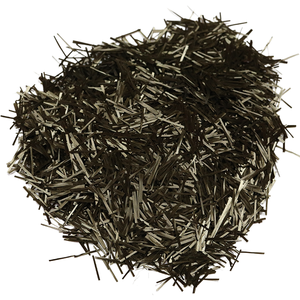
19mm PP Fiber Paʻa no ka Paʻa e hoʻonui i ka ikaika
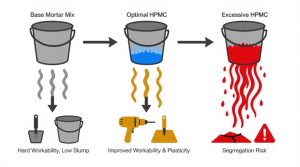
Explosive Copper Steel Fiber Bridge Construction Project Fiber Concrete Construction Material Whole Ripple Steel Fiber
ʻO ka ikaika kiʻekiʻe Polyacrylonitrile Fiber 19mm PAN Fiber
ʻO ka hōʻea hou ʻana ʻO ka pulupulu polypropylene holoʻokoʻa no ka mesh no ka plaster sima/ka hoʻoikaika paʻa
