Nā Pākuʻi Paʻa Māmā | Nā ʻĀpana Hoʻohuʻi Kiʻekiʻe no ka Kelepona Kelepona

NA PALAPALA HUA
wehewehe
Overview of Polypropylene pp Fiber for Concrete improve shrinkage resistant
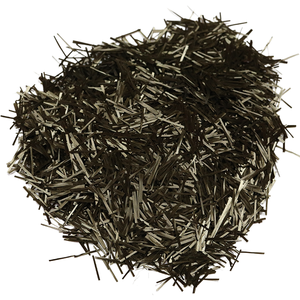
No ke kū'ē kiʻekiʻe, hāʻawi mākou i nā Fiber Steel, kahi mea hoʻololi kūpono no ka uwea welded mesh ma nā papahele ʻoihana a me nā mea hoʻolei mua. Hāʻawi pū mākou i nā Structural Synthetic Fibers kūikawā e hāʻawi ana i ka ikaika tensile kiʻekiʻe no nā noi noi.. Hoʻopuehu like ʻia kēia mau fiber i loko o ka hui ʻana, ka hoʻokumu ʻana i kahi pūnaewele hoʻoikaika nui i hiki ʻole ke hoʻokō i nā ʻano kuʻuna. Hoʻomaʻamaʻa kēia ʻano hoʻohui i ke kūkulu ʻana, hoʻokē hoʻokomo, a hoʻonui i ka pono holoʻokoʻa a me ka lōʻihi o ka lāʻau, hāʻawi ʻana i kahi pane hou i nā pilikia o ka wā kahiko a me ka lōʻihi.
Features of Polypropylene pp Fiber for Concrete improve shrinkage resistant
1. ʻOi aku ka mana o ka māwae a me ka hoʻoikaika ʻana i ka lōʻihi:
ʻO ka hiʻohiʻona nui o kā mākou fibers ko lākou hiki ke hoʻopaʻa i nā micro-cracks ʻelua i hana ʻia i ka wā o ke kūlana plastik a me nā māwae nui aʻe i loko o ke koʻa paʻa.. Hoʻokumu kēia dispersion ʻekolu-dimensional i kahi matrix cohesive ʻoi aku ka pale ʻana i ka hoʻolaha ʻana. ʻO ka pōmaikaʻi pololei, he hōʻemi nui ia i ka ʻāʻī ʻana o ka plastic a me ka laula māwae lōʻihi. Ke alakaʻi nei kēia i ka ʻoi aku ka lōʻihi o ke koʻikoʻi me ka haʻahaʻa haʻahaʻa, ʻo ia ka mea e hoʻonui ai i ke kū'ē i ka wai komo, pōʻino hoʻoheheʻe, a me ka palahu o kekahi kila i hookomoia. ʻO ka hopena he hale me ka lōʻihi o ke ola lawelawe a hoʻemi ʻia nā kumukūʻai mālama.
2. Hoʻonui i ka hopena a me ka pale ʻana i ka abrasion:
Nā pulu, ʻoi aku ke kila a me nā fiber macro synthetic ikaika, hoʻomaikaʻi maikaʻi i ka paʻakikī o ke kaʻa a me ka hana ma hope o ka haki. Lawe lākou a puʻunaue i ka ikehu ma ka hopena a i ʻole ka hoʻouka ʻana. Hāʻawi kēia hiʻohiʻona i ka pōmaikaʻi o kahi ʻili kūpaʻa ʻoi aku ka liʻiliʻi o ka spalling, ʻokiʻoki, a me ka abrasion ma lalo o ke kaʻa nui a i ʻole ka lole mīkini. He waiwai koʻikoʻi kēia no nā papahele ʻoihana, hale kūʻai pavements, a me nā papahana hoʻolālā, e alakaʻi ana i kahi ʻili paʻakikī e mālama i kona kūpaʻa i ka manawa.
3. ʻO ka maikaʻi o ke kūkulu ʻana a me ka mālama kālā:
ʻO kahi hiʻohiʻona nui o ka hoʻohana ʻana i ka fiber reinforcement ʻo ka hoʻopau ʻana i ka uwea welded mesh (WWF) i nā noi he nui. Hāʻawi kēia i nā pōmaikaʻi nui ma ka pūnaewele: maʻalahi ka hoʻokomo, no ka mea, ʻaʻohe mesh e hoʻonohonoho ʻia a hiki ke hoʻoneʻe ʻia, a hoʻokēʻai i ke kaʻina hana holoʻokoʻa. Ma ka wehe ʻana i kahi hana koʻikoʻi, ʻike nā papahana i ka hōʻemi ʻana i nā kumukūʻai hana a me ka wikiwiki o ka manawa papahana. ʻO ka hāʻawi like ʻana o nā fibers e hōʻoiaʻiʻo i ka hoʻoikaika paʻa ʻana ma ka ʻāpana koneki holoʻokoʻa, like ole mesh, hiki ke waiho pono ole ia, alakaʻi i ka hana hilinaʻi a wānana.

Specification of Polypropylene pp Fiber for Concrete improve shrinkage resistant
Polypropylene PP Fiber for Concrete– Improved Shrinking Resistance
He aha ia
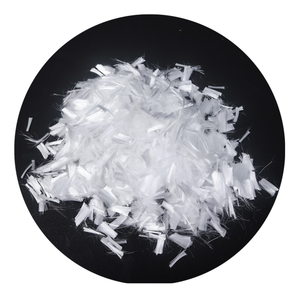
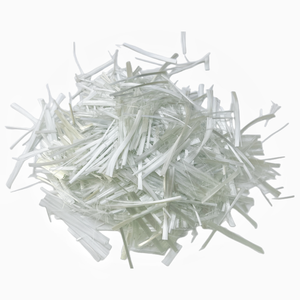
Polypropylene (PP) pulupulu is an artificial additive made use of in concrete to minimize splitting caused by shrinkage. Made from high-grade polypropylene resin, these fibers are fine, equally distributed, and created to mix quickly into damp concrete.
No ke aha e hoʻohana ai
Ke maloʻo ka lāʻau, it normally shrinks. This shrinkage typically causes tiny fractures that damage the structure with time. Hoʻohui PP fiber aids control this problem. The fibers imitate little reinforcements inside the concrete. They hold the material together throughout early drying stages and reduce the chance of splits creating.
Hoʻokomo ʻia ka hoʻopunipuni
– Huki i ka laha: Fibers spread out evenly throughout the mix without clumping.
– Ka ikaika tensile kiʻekiʻe: Each fiber stands up to pulling forces that cause cracks.
– Alkali-kūpaʻa: Stays secure in the high-pH setting of concrete.
– Maʻalahi e hoʻohana: No unique tools required– simply include throughout mixing.
Pehea e hana ai
I ka hui ʻana, PP fibers distribute arbitrarily in the concrete matrix. As water vaporizes and the concrete starts to reduce, the fibers bridge micro-cracks prior to they grow. This boosts the concrete’s total toughness and surface area honesty. The result is a smoother do with less visible splits.
Nā noi maʻamau
This fiber functions well in lots of common concrete tasks:
– Floorings and slabs
– Pavements and driveways
– Precast elements
– Shotcrete and stucco
– Industrial and property building and construction
ʻIke ʻenehana
– Fiber size: 6 mm i 19 mm
– Nui: around 18– 32 microns
– Mea hoohehee: around 160– 170 ° C.
– mānoanoa: concerning 0.91 g/cm EKOLU.
– Dose price: generally 0.6– 1.0 kg no ka mita kubiko o ke koki.
Utilizing polypropylene PP fiber is a straightforward, cost-effective way to boost concrete efficiency– especially where contraction control matters most.
Applications of Polypropylene pp Fiber for Concrete improve shrinkage resistant
Why Make Use Of Polypropylene PP Fiber in Concrete?
Concrete fractures conveniently when it dries out. This takes place since water leaves the mix and the material diminishes. ʻO ia hoʻi polypropylene (PP) pulupulu assists stop this issue. The fibers mix right into the concrete evenly. They hold the product together while it remedies.
Just How PP Fiber Minimizes Shrinkage Cracks
When concrete hardens, tiny splits begin to form. PP fibers act like a net inside the mix. They bridge these tiny spaces prior to they grow. The fibers do not absorb water. They stay solid also when wet. This maintains the concrete a lot more steady throughout drying.
The fibers additionally enhance the surface area of the concrete. Ka papahele, ʻili o ka pā, and pieces remain smoother. There are fewer hairline fractures. That indicates less repair work later on. Contractors conserve time and money.
Where to Use PP Fiber Concrete
This sort of concrete jobs well in several locations. It prevails in commercial floors, nā ala kaʻa, nā ala hele wāwae, a me nā pā hale. Anywhere flat concrete is poured, PP fiber adds value. It is likewise used in precast panels and shotcrete applications.
PP fiber blends conveniently with basic concrete ingredients. No special tools or techniques are needed. Simply include the correct amount throughout batching. The majority of tasks utilize 0.5 i 1.0 kg o ka fiber no ka mika cubic o ke koki. Constantly comply with the maker’s guidelines.
Advantages You Can Depend On
pulupulu polipropylene offers actual outcomes. It reduces early-age splitting. It increases durability without transforming just how you position or end up concrete. The product stands up to impact better. It likewise handles wear and tear longer.
ʻAʻole like me nā kaula kila, PP fibers do not corrosion. They will certainly not tarnish the surface. They are light-weight and safe to take care of. Specialists find them simple to work with on a daily basis.
Hoʻolauna Hui
Welina mai iā Concrete and More, he mea hoʻolako alakaʻi i nā mea hoʻohui ʻia i ka hana kiʻekiʻe, me kā mākou mea hoʻohaʻahaʻa wai koneki. Me nā makahiki o ka ʻike ma ka mākeke honua, hāʻawi mākou i nā hoʻonā holomua i hoʻolālā ʻia e hoʻomaikaʻi i ka maikaʻi a me ka pono o nā hana kūkulu honua. ʻO kā mākou mau hale hana hou e hōʻoia i nā huahana kiʻekiʻe e kū ana i nā kūlana honua. Haʻaheo mākou iā mākou iho i ka lawelawe kūʻai kūʻokoʻa, kākoʻo ʻenehana, a me nā hāʻina kūpono e hoʻokō i nā pono o ka papahana. E hui pū me mākou no ka hilinaʻi, mea hou, a me ke kumu kūʻai hoʻohui koʻikoʻi e alakaʻi i kāu mau papahana i mua. E ʻimi hou aku ma www.concreteandmore.de/. E kūkulu pū kākou i ka wā e hiki mai ana!
Inā he mau nīnau kāu, e ʻoluʻolu e hoʻokaʻaʻike mai iā mākou.
Uku Uku
T/T, Hui Komohana, Paypal, Kāleka ʻaiʻē etc.
Nā ʻano hoʻouna
Ma ka lewa, ma ke kai, ma ka hoike, e like me ke noi a nā mea kūʻai aku.

5 FAQs of Polypropylene pp Fiber for Concrete improve shrinkage resistant
Frequently Asked Questions About Polypropylene PP Fiber for Concrete
He aha ka polypropylene (PP) ka pulupulu i hoohanaia no ka wiliwili?
PP fiber is added to concrete to reduce cracking caused by shrinkage. Ke maloʻo ka lāʻau, it naturally shrinks. This can lead to small cracks. PP fibers help hold the concrete together during this process. They act like tiny reinforcements inside the mix.
How does PP fiber improve shrinkage resistance?
As concrete hardens and loses water, internal stress builds up. PP fibers create a network inside the concrete. This network blocks micro-cracks from growing. The fibers absorb some of the stress. That keeps the surface smoother and more intact over time.
He mea maʻalahi ka hui ʻana o ka fiber PP i loko o ke kaʻa?
ʻAe. Hoʻohui maikaʻi ʻia nā fiber PP me nā mea palaki maʻamau. You add them during mixing, just like sand or cement. ʻAʻole lākou e hui pū inā hui pono. Most ready-mix plants already know how to handle them. ʻAʻole pono nā mea hana kūikawā.
Hoʻopilikia anei ka fiber PP i ka ikaika o ke kaʻa?
PP fiber mainly improves crack control, not compressive strength. It does not replace steel rebar. Eia naʻe, it boosts toughness and impact resistance. The concrete becomes less brittle. That means it handles sudden loads or minor movements better.
Can PP fiber be used in all types of concrete projects?
Hana maikaʻi ka fiber PP i nā papa, nā paepae, pā, a me nā mea hana mua. It is common in residential floors, nā ala kaʻa, and industrial settings. It suits both indoor and outdoor use. Always follow the recommended dosage based on your project type. ʻAʻole kōkua ka liʻiliʻi. Too much can cause mixing issues.
NOI I KA PALAPALA
NA HUAKAI PILI
Construction concrete cement pp fiber

ʻO Kina Wante i hoʻopaʻa ʻia i ka pale wai kiʻekiʻe ke kūpaʻa ʻana i ka lāʻau fiberglass GMT Pallet no
ʻO ka hoʻohana ʻana i ka lāʻau lapaʻau ʻo Macro Concrete Fiber Monofilament Polypropylene PP Fiber 19mm

Factory Customizable PP Fiber Polypropylene Fiber for Concrete that Prevents Cracks and Enhances Compressive Power

Hāʻawi i ka Macro Micro Synthetic Polymer Polypropylene PP Fiber Fiber no ka Paʻa