


Nā Pākuʻi Paʻa Māmā | Nā ʻĀpana Hoʻohuʻi Kiʻekiʻe no ka Kelepona Kelepona


NA PALAPALA HUA
wehewehe
Overview of Polypropylene PP Monofilament Concrete Fiber Plastic Steel Fiber for Concrete Reinforcement
No ke kū'ē kiʻekiʻe, hāʻawi mākou i nā Fiber Steel, kahi mea hoʻololi kūpono no ka uwea welded mesh ma nā papahele ʻoihana a me nā mea hoʻolei mua. Hāʻawi pū mākou i nā Structural Synthetic Fibers kūikawā e hāʻawi ana i ka ikaika tensile kiʻekiʻe no nā noi noi.. Hoʻopuehu like ʻia kēia mau fiber i loko o ka hui ʻana, ka hoʻokumu ʻana i kahi pūnaewele hoʻoikaika nui i hiki ʻole ke hoʻokō i nā ʻano kuʻuna. Hoʻomaʻamaʻa kēia ʻano hoʻohui i ke kūkulu ʻana, hoʻokē hoʻokomo, a hoʻonui i ka pono holoʻokoʻa a me ka lōʻihi o ka lāʻau, hāʻawi ʻana i kahi pane hou i nā pilikia o ka wā kahiko a me ka lōʻihi.
Features of Polypropylene PP Monofilament Concrete Fiber Plastic Steel Fiber for Concrete Reinforcement
1. ʻOi aku ka mana o ka māwae a me ka hoʻoikaika ʻana i ka lōʻihi:
ʻO ka hiʻohiʻona nui o kā mākou fibers ko lākou hiki ke hoʻopaʻa i nā micro-cracks ʻelua i hana ʻia i ka wā o ke kūlana plastik a me nā māwae nui aʻe i loko o ke koʻa paʻa.. Hoʻokumu kēia dispersion ʻekolu-dimensional i kahi matrix cohesive ʻoi aku ka pale ʻana i ka hoʻolaha ʻana. ʻO ka pōmaikaʻi pololei, he hōʻemi nui ia i ka ʻāʻī ʻana o ka plastic a me ka laula māwae lōʻihi. Ke alakaʻi nei kēia i ka ʻoi aku ka lōʻihi o ke koʻikoʻi me ka haʻahaʻa haʻahaʻa, ʻo ia ka mea e hoʻonui ai i ke kū'ē i ka wai komo, pōʻino hoʻoheheʻe, a me ka palahu o kekahi kila i hookomoia. ʻO ka hopena he hale me ka lōʻihi o ke ola lawelawe a hoʻemi ʻia nā kumukūʻai mālama.
2. Hoʻonui i ka hopena a me ka pale ʻana i ka abrasion:
Nā pulu, ʻoi aku ke kila a me nā fiber macro synthetic ikaika, hoʻomaikaʻi maikaʻi i ka paʻakikī o ke kaʻa a me ka hana ma hope o ka haki. Lawe lākou a puʻunaue i ka ikehu ma ka hopena a i ʻole ka hoʻouka ʻana. Hāʻawi kēia hiʻohiʻona i ka pōmaikaʻi o kahi ʻili kūpaʻa ʻoi aku ka liʻiliʻi o ka spalling, ʻokiʻoki, a me ka abrasion ma lalo o ke kaʻa nui a i ʻole ka lole mīkini. He waiwai koʻikoʻi kēia no nā papahele ʻoihana, hale kūʻai pavements, a me nā papahana hoʻolālā, e alakaʻi ana i kahi ʻili paʻakikī e mālama i kona kūpaʻa i ka manawa.
3. ʻO ka maikaʻi o ke kūkulu ʻana a me ka mālama kālā:
ʻO kahi hiʻohiʻona nui o ka hoʻohana ʻana i ka fiber reinforcement ʻo ka hoʻopau ʻana i ka uwea welded mesh (WWF) i nā noi he nui. Hāʻawi kēia i nā pōmaikaʻi nui ma ka pūnaewele: maʻalahi ka hoʻokomo, no ka mea, ʻaʻohe mesh e hoʻonohonoho ʻia a hiki ke hoʻoneʻe ʻia, a hoʻokēʻai i ke kaʻina hana holoʻokoʻa. Ma ka wehe ʻana i kahi hana koʻikoʻi, ʻike nā papahana i ka hōʻemi ʻana i nā kumukūʻai hana a me ka wikiwiki o ka manawa papahana. ʻO ka hāʻawi like ʻana o nā fibers e hōʻoiaʻiʻo i ka hoʻoikaika paʻa ʻana ma ka ʻāpana koneki holoʻokoʻa, like ole mesh, hiki ke waiho pono ole ia, alakaʻi i ka hana hilinaʻi a wānana.

Specification of Polypropylene PP Monofilament Concrete Fiber Plastic Steel Fiber for Concrete Reinforcement
Polypropylene PP Monofilament Concrete Fiber
Ikaika, Reputable Support for Modern Concrete
ʻO kā mākou polypropylene (PP) monofilament concrete fiber is made to boost the performance of concrete in real-world conditions. It functions well in both household and industrial projects. The fiber mixes easily into damp concrete without clumping. This makes sure also distribution throughout the mix.
This plastic steel fiber assists manage splits that develop throughout the early drying out phase. Shrinking is an usual issue in fresh concrete. Our fibers lower this threat by holding the product together at a tiny degree. They also improve influence resistance and sturdiness. Ka papahele, nā paepae, and walls stay more powerful over time.
ʻAʻole kūpaʻa nā fiber. This suggests they do not break down in the high-pH setting of concrete. They last as long as the framework itself. Unlike metal fibers, they will not rust or corrode. That makes them excellent for usage in moist or chemically aggressive settings.
Each fiber is precisely crafted with a constant diameter and size. Standard lengths range from 6 mm i 19 mm. The surface appearance aids the fiber bond snugly with the concrete paste. This produces a more natural and long lasting end product.
Including these fibers is simple. ʻAʻole pono nā mea hana kūikawā. Simply add them during the typical mixing process. Normal dose rates are in between 0.6 kg/m five and 1.0 kg/m ʻehā, ma muli o ka noi. Higher does can be utilized for tougher efficiency needs.
These fibers fulfill international criteria for artificial fiber support in concrete. They are commonly accepted in building ordinance throughout The United States and Canada, ʻEulopa, and Asia. Contractors and designers trust them for slabs, pana pana, nā mea hana mua, a me ka uhi papahele ʻoihana.
Due to the fact that they are light-weight and non-conductive, they additionally enhance safety and security on site. Employees handle them without danger of cuts or electric concerns. Storage space is very easy– just maintain them dry and away from direct sunshine.
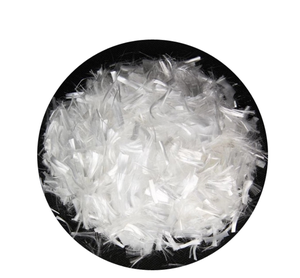
Applications of Polypropylene PP Monofilament Concrete Fiber Plastic Steel Fiber for Concrete Reinforcement
Applications of Polypropylene PP Monofilament Concrete Fiber
More Powerful Concrete Without Standard Steel
Polypropylene (PP) monofilament fiber is a trusted alternative to steel reinforcement in lots of concrete projects. It blends conveniently into wet concrete and spreads out evenly throughout the mix. This assists regulate fracturing from the start.
Contractors use PP fibers in floorings, nā paepae, ʻili o ka pā, a me nā mea hana mua. The fibers hold tiny fractures with each other as concrete dries and reduces. This minimizes surface splits that typically show up in ordinary concrete. Floorings remain smoother and last much longer with much less maintenance.
Works Well in Harsh Conditions
ʻAʻole like me ke kila, PP fibers do not corrosion. This makes them excellent for areas revealed to water, kemika, or salt– like parking lot, tunnels, and marine frameworks. Corrosion from steel rebar can weaken concrete in time. PP fibers avoid this trouble completely.
They likewise aid concrete stand up to influence and abrupt lots. Jobs like industrial pieces, stockroom floorings, and driveways gain from this included toughness. The fibers act like millions of tiny supports inside the concrete, holding it with each other even under tension.
Easy to Use and Cost-Effective
Adding PP monofilament fiber needs no unique tools or training. Employees merely mix it into the concrete set like any various other additive. There’s no need for extra labor to place or tie steel mesh. This conserves time and cuts labor expenses.
The fibers additionally lower the need for control joints in pieces. Fewer joints mean quicker finishing and lower long-lasting repair expenses. For property driveways, alanui alanui, or business floor covering, this includes real value.
PP monofilament fiber offers reputable efficiency across lots of applications. It improves longevity, simplifies building, and delivers consistent outcomes– without the disadvantages of typical support methods.
ʻO ka moʻolelo o ka hui
ʻO mākou ke alakaʻi o ka honua i nā ʻenehana māmā a me nā hoʻonā ʻenehana i hana ʻia. ʻIke ʻia ma ka honua holoʻokoʻa no kāna kūpaʻa i ka noiʻi, mea hou, a me ka ʻike noiʻi, ke hāʻawi nei mākou i nā hoʻonā ʻenehana i hana ʻia mai ka makahiki 2012.
Hiki iā mākou ke hāʻawi aku i ka hoʻohui ʻana i nā mea hoʻohui kiʻekiʻe kiʻekiʻe a me nā huahana pili i ka foam concrete a puni ka honua.
He keʻena ʻenehana ʻoihana a me ka ʻoihana kiaʻi maikaʻi ka hui, he hale hana i hoolako pono ia, a hoʻolako ʻia me nā lako hoʻāʻo kiʻekiʻe a me ke kikowaena lawelawe mea kūʻai aku ma hope o ke kūʻai aku.
Inā hoihoi ʻoe, e ʻoluʻolu a e hoʻokaʻaʻike mai iā mākou.
Uku
T/T, Hui Komohana, Paypal, Kāleka ʻaiʻē etc.
Hoʻouna
Ma ka lewa, ma ke kai, ma ka hoike, e like me ke noi a nā mea kūʻai aku.
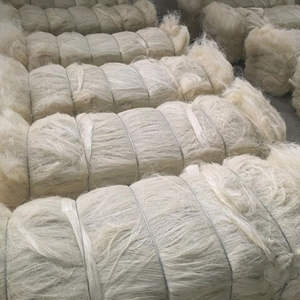
5 FAQs of Polypropylene PP Monofilament Concrete Fiber Plastic Steel Fiber for Concrete Reinforcement
Frequently Asked Questions About PP Monofilament Concrete Fiber
What is PP monofilament concrete fiber?
PP monofilament concrete fiber is a type of synthetic fiber made from polypropylene. It is used to reinforce concrete and improve its performance. He lahilahi nā pulu, ikaika, and evenly distributed throughout the concrete mix.
Why use plastic steel fiber in concrete?
Plastic steel fiber helps control cracking in concrete. It increases toughness and impact resistance. This fiber also reduces shrinkage cracks that happen during drying. Ma ka hopena, the concrete lasts longer and needs less repair.
Pehea ia e hoʻomaikaʻi ai i ka ikaika koneki?
The fiber does not replace steel rebar. aka, it works with the concrete at a micro level. It holds small cracks together before they grow. This makes the concrete more durable under stress and less likely to break suddenly.
He mea maʻalahi ke hui a waiho?
ʻAe. PP monofilament fiber mixes well with standard concrete ingredients. It does not clump if added correctly. You can use normal mixing, ninini ana, and finishing methods. ʻAʻole pono nā mea hana kūikawā a i ʻole ke aʻo ʻana.
Ma hea kahi i hoʻohana mau ʻia ai kēia fiber?
This fiber is used in many construction projects. ʻO nā laʻana nā papahele ʻoihana, alanui alanui, nā ala kaʻa, nā papa lalo, a me nā polokalamu shotcrete. It is also good for precast concrete elements and residential flatwork where crack control matters.
NOI I KA PALAPALA
NA HUAKAI PILI
Concrete Usage Macro Concrete Fiber Monofilament Polypropylene PP Fiber 19mm
Na Lako Hale Paa Uila Uila Uila Uila Paa Paa Uku Uila Hooki
ʻOki ʻokiʻoki ʻia i ke kaula aniani 18mm AR-Glass Anti-Cracking Fibers Strand no ka Sima Panika.

ʻO ka hana maikaʻi loa Refractory Ceramic Fiber Board 1400C High Zirconium Type Fireproof Ceramic Fiber Wool Papa
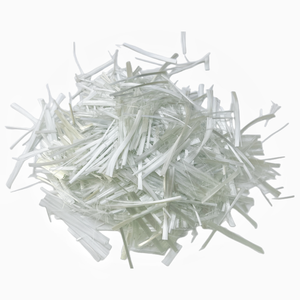
ʻO Virgin PET Monofilament Fiber White 3-25mm Polyester Concrete Fiber
