


Nā Pākuʻi Paʻa Māmā | Nā ʻĀpana Hoʻohuʻi Kiʻekiʻe no ka Kelepona Kelepona


NA PALAPALA HUA
wehewehe
Overview of Steel Concrete Fiber Reinforced Concrete Steel Fibers for Concrete
No ke kū'ē kiʻekiʻe, hāʻawi mākou i nā Fiber Steel, kahi mea hoʻololi kūpono no ka uwea welded mesh ma nā papahele ʻoihana a me nā mea hoʻolei mua. Hāʻawi pū mākou i nā Structural Synthetic Fibers kūikawā e hāʻawi ana i ka ikaika tensile kiʻekiʻe no nā noi noi.. Hoʻopuehu like ʻia kēia mau fiber i loko o ka hui ʻana, ka hoʻokumu ʻana i kahi pūnaewele hoʻoikaika nui i hiki ʻole ke hoʻokō i nā ʻano kuʻuna. Hoʻomaʻamaʻa kēia ʻano hoʻohui i ke kūkulu ʻana, hoʻokē hoʻokomo, a hoʻonui i ka pono holoʻokoʻa a me ka lōʻihi o ka lāʻau, hāʻawi ʻana i kahi pane hou i nā pilikia o ka wā kahiko a me ka lōʻihi.
Features of Steel Concrete Fiber Reinforced Concrete Steel Fibers for Concrete
1. ʻOi aku ka mana o ka māwae a me ka hoʻoikaika ʻana i ka lōʻihi:
ʻO ka hiʻohiʻona nui o kā mākou fibers ko lākou hiki ke hoʻopaʻa i nā micro-cracks ʻelua i hana ʻia i ka wā o ke kūlana plastik a me nā māwae nui aʻe i loko o ke koʻa paʻa.. Hoʻokumu kēia dispersion ʻekolu-dimensional i kahi matrix cohesive ʻoi aku ka pale ʻana i ka hoʻolaha ʻana. ʻO ka pōmaikaʻi pololei, he hōʻemi nui ia i ka ʻāʻī ʻana o ka plastic a me ka laula māwae lōʻihi. Ke alakaʻi nei kēia i ka ʻoi aku ka lōʻihi o ke koʻikoʻi me ka haʻahaʻa haʻahaʻa, ʻo ia ka mea e hoʻonui ai i ke kū'ē i ka wai komo, pōʻino hoʻoheheʻe, a me ka palahu o kekahi kila i hookomoia. ʻO ka hopena he hale me ka lōʻihi o ke ola lawelawe a hoʻemi ʻia nā kumukūʻai mālama.
2. Hoʻonui i ka hopena a me ka pale ʻana i ka abrasion:
Nā pulu, ʻoi aku ke kila a me nā fiber macro synthetic ikaika, hoʻomaikaʻi maikaʻi i ka paʻakikī o ke kaʻa a me ka hana ma hope o ka haki. Lawe lākou a puʻunaue i ka ikehu ma ka hopena a i ʻole ka hoʻouka ʻana. Hāʻawi kēia hiʻohiʻona i ka pōmaikaʻi o kahi ʻili kūpaʻa ʻoi aku ka liʻiliʻi o ka spalling, ʻokiʻoki, a me ka abrasion ma lalo o ke kaʻa nui a i ʻole ka lole mīkini. He waiwai koʻikoʻi kēia no nā papahele ʻoihana, hale kūʻai pavements, a me nā papahana hoʻolālā, e alakaʻi ana i kahi ʻili paʻakikī e mālama i kona kūpaʻa i ka manawa.
3. ʻO ka maikaʻi o ke kūkulu ʻana a me ka mālama kālā:
ʻO kahi hiʻohiʻona nui o ka hoʻohana ʻana i ka fiber reinforcement ʻo ka hoʻopau ʻana i ka uwea welded mesh (WWF) i nā noi he nui. Hāʻawi kēia i nā pōmaikaʻi nui ma ka pūnaewele: maʻalahi ka hoʻokomo, no ka mea, ʻaʻohe mesh e hoʻonohonoho ʻia a hiki ke hoʻoneʻe ʻia, a hoʻokēʻai i ke kaʻina hana holoʻokoʻa. Ma ka wehe ʻana i kahi hana koʻikoʻi, ʻike nā papahana i ka hōʻemi ʻana i nā kumukūʻai hana a me ka wikiwiki o ka manawa papahana. ʻO ka hāʻawi like ʻana o nā fibers e hōʻoiaʻiʻo i ka hoʻoikaika paʻa ʻana ma ka ʻāpana koneki holoʻokoʻa, like ole mesh, hiki ke waiho pono ole ia, alakaʻi i ka hana hilinaʻi a wānana.

Specification of Steel Concrete Fiber Reinforced Concrete Steel Fibers for Concrete
Steel Fibers for Concrete Reinforcement
Nānā Huahana
Our steel fibers are made to enhance concrete. They mix into the concrete quickly and help stop splits from forming. These fibers offer the concrete more toughness, better impact resistance, and longer life.
Nā hiʻohiʻona huna
The fibers are made from top quality carbon steel. Each fiber has a connected end. This shape helps it grasp the concrete tightly. The surface is clean and free of rust, aila, or various other finishings that can weaken bonding.
Fibers are available in conventional sizes of 30 mm, 50 mm, a 60 mm. Diameter alternatives consist of 0.55 mm, 0.75 mm, a 0.90 mm. Tensile stamina goes to least 1,000 MPa. This makes them solid enough for sturdy use.
Nā Pōmaikaʻi ma ka Paʻa
Adding steel fibers reduces shrinkage cracks. It likewise boosts exactly how the concrete takes care of bending and shock. Structures come to be a lot more durable without requiring additional rebar in most cases.
Workability stays good when you follow advised does. Typical use prices vary from 20 i 50 kg no ka mita kubiko o ke koki. Higher doses provide even more post-crack strength.
Nā noi maʻamau
These fibers function well in commercial floors, ʻāpana hale kūʻai, a me nā ʻāpana tunnel. They are also made use of in shotcrete, ʻano precast, a me na papa alahaka. Anywhere you require tougher concrete, steel fibers assist.
Ka mālama ʻana a me ka mālama ʻana
Shop fibers in a dry area. Keep bags secured till you prepare to utilize them. Moisture can trigger clumping. Use typical concrete blending methods. Add fibers gradually during blending to prevent balling. Hoʻohui no ka liʻiliʻi o 5 minutes to get back at distribution.
Constantly adhere to neighborhood building codes and engineering guidelines when making use of steel fiber-reinforced concrete.
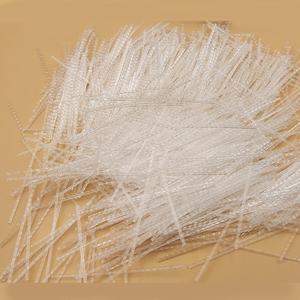
Applications of Steel Concrete Fiber Reinforced Concrete Steel Fibers for Concrete
Hoʻohana ʻia o nā pulu kila ma ka ʻuala
More Powerful Floorings That Last Longer
Steel fibers make concrete floorings a lot harder. They are used in storehouses, hale hana hana, and parking garages where heavy tons and constant website traffic put on down regular concrete. With steel fibers blended in, the floor withstands cracks better and requires less control joints. This conserves time during construction and reduces long-lasting repair expenses.
Difficult Industrial Pavements
Industrial websites need surfaces that take care of hefty machinery and severe conditions. ʻO ia hoʻi nā pulu kila to concrete provides sidewalks extra strength and impact resistance. The outcome is a surface area that stands up under tension without breaking apart quickly. It also reduces the requirement for thick reinforcement floor coverings, which streamlines putting and finishing work.
Much Better Passage Cellular Linings and Shotcrete
In passages and below ground projects, steel fiber-reinforced concrete is commonly sprayed as shotcrete. The fibers assist hold the product together right after it’s applied. This improves safety during construction and produces a more sturdy cellular lining. Workers don’t have to set up as much standard rebar, which quickens the job and reduces labor prices.
Reliable Precast Components
Precast concrete components like wall surface panels, manholes, and utility safes gain from steel fibers too. The fibers improve durability and reduce fracturing during handling and transport. This causes fewer broken devices and much less waste on website. Builders get stronger components that carry out well without extra steel mesh.
High-Performance Structures
Alahaka, marine docks, and blast-resistant wall surfaces use steel fiber concrete for its superior ductility and power absorption. These structures encounter extreme forces, and steel fibers help them flex a little without failing unexpectedly. Engineers choose this mix when security and reliability matter most.
ʻO ka moʻolelo o ka hui
ʻO mākou ke alakaʻi o ka honua i nā ʻenehana māmā a me nā hoʻonā ʻenehana i hana ʻia. ʻIke ʻia ma ka honua holoʻokoʻa no kāna kūpaʻa i ka noiʻi, mea hou, a me ka ʻike noiʻi, ke hāʻawi nei mākou i nā hoʻonā ʻenehana i hana ʻia mai ka makahiki 2012.
Hiki iā mākou ke hāʻawi aku i ka hoʻohui ʻana i nā mea hoʻohui kiʻekiʻe kiʻekiʻe a me nā huahana pili i ka foam concrete a puni ka honua.
He keʻena ʻenehana ʻoihana a me ka ʻoihana kiaʻi maikaʻi ka hui, he hale hana i hoolako pono ia, a hoʻolako ʻia me nā lako hoʻāʻo kiʻekiʻe a me ke kikowaena lawelawe mea kūʻai aku ma hope o ke kūʻai aku.
Inā hoihoi ʻoe, e ʻoluʻolu a e hoʻokaʻaʻike mai iā mākou.
Uku
T/T, Hui Komohana, Paypal, Kāleka ʻaiʻē etc.
Hoʻouna
Ma ka lewa, ma ke kai, ma ka hoike, e like me ke noi a nā mea kūʻai aku.

5 FAQs of Steel Concrete Fiber Reinforced Concrete Steel Fibers for Concrete
Nā nīnau i nīnau pinepine ʻia e pili ana i nā pulu kila no ka palaki
He aha nā wili kila i hoʻohana ʻia no ka ʻuala?
Steel fibers are short, thin pieces of steel added to concrete mixtures. They help control cracking and improve strength. I ka hui ʻana i loko o ke kaʻa, they act like tiny reinforcements throughout the material. This makes the concrete tougher and more resistant to impact and wear.
Pehea e hoʻomaikaʻi ai nā pulu kila i ka hana koneki?
They increase the concrete’s ability to handle tension and bending. Regular concrete can crack easily under stress. Steel fibers hold those cracks together, which keeps the structure stable longer. This also boosts durability, especially in places with heavy traffic or harsh conditions.
Are steel fibers easy to mix into concrete?
ʻAe. Most ready-mix plants can add steel fibers during normal batching. The fibers disperse evenly when mixed properly. ʻAʻole pono nā mea hana kūikawā. Just follow the supplier’s instructions on dosage and mixing time to avoid clumping.
Hiki i nā pulu kila ke hoʻololi i ka rebar kuʻuna?
ʻAʻole mau. Steel fibers work well for controlling small cracks and improving toughness. But they do not fully replace large rebar in structural elements like beams or columns. I nā manawa he nui, they are used together with rebar to get the best results. Always check engineering requirements before deciding.
What types of projects benefit most from steel fibers?
Industrial floors, nā papa hale kūʻai, nā paepae, nā ʻalihi ala, and shotcrete applications see big improvements. These places need strong, long-lasting surfaces that resist cracking and heavy loads. Steel fibers reduce maintenance costs and extend service life in such environments.
NOI I KA PALAPALA
NA HUAKAI PILI

Cellulose Concrete Fiber Sheet Cellulose Fiber for Concrete Mortar Reinforcement
ʻOkiʻoki ʻia ʻo Acrylic Fiber Concrete Polyacrylonitrile Fiber No ka Papa Sima
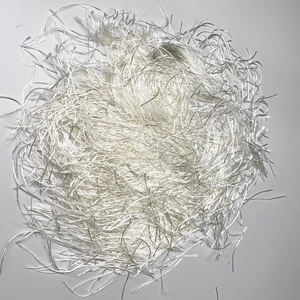
ʻO ke kila kila i hoʻopaʻa ʻia no ka pāpaʻi paʻa 3D hopena hoʻopaʻa ʻia i hoʻopaʻa ʻia.

Kiʻekiʻe kiʻekiʻe acrylic anti-corrosion a kiʻekiʻe-mehana kū'ē 'enekinia fiber concrete

Hoʻohana ʻia ka pulupulu polypropylene ikaika kiʻekiʻe e hoʻoikaika i ke kaʻa
