


Nā Pākuʻi Paʻa Māmā | Nā ʻĀpana Hoʻohuʻi Kiʻekiʻe no ka Kelepona Kelepona

NA PALAPALA HUA
wehewehe
Overview of Wall Fiber Glass Mesh 160gsm Fiberglass Mesh Fabric for Construction
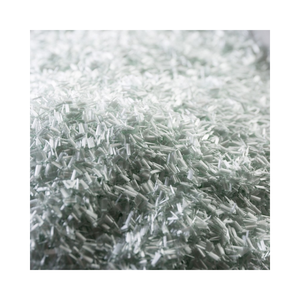
No ke kū'ē kiʻekiʻe, hāʻawi mākou i nā Fiber Steel, kahi mea hoʻololi kūpono no ka uwea welded mesh ma nā papahele ʻoihana a me nā mea hoʻolei mua. Hāʻawi pū mākou i nā Structural Synthetic Fibers kūikawā e hāʻawi ana i ka ikaika tensile kiʻekiʻe no nā noi noi.. Hoʻopuehu like ʻia kēia mau fiber i loko o ka hui ʻana, ka hoʻokumu ʻana i kahi pūnaewele hoʻoikaika nui i hiki ʻole ke hoʻokō i nā ʻano kuʻuna. Hoʻomaʻamaʻa kēia ʻano hoʻohui i ke kūkulu ʻana, hoʻokē hoʻokomo, a hoʻonui i ka pono holoʻokoʻa a me ka lōʻihi o ka lāʻau, hāʻawi ʻana i kahi pane hou i nā pilikia o ka wā kahiko a me ka lōʻihi.
Features of Wall Fiber Glass Mesh 160gsm Fiberglass Mesh Fabric for Construction
1. ʻOi aku ka mana o ka māwae a me ka hoʻoikaika ʻana i ka lōʻihi:
ʻO ka hiʻohiʻona nui o kā mākou fibers ko lākou hiki ke hoʻopaʻa i nā micro-cracks ʻelua i hana ʻia i ka wā o ke kūlana plastik a me nā māwae nui aʻe i loko o ke koʻa paʻa.. Hoʻokumu kēia dispersion ʻekolu-dimensional i kahi matrix cohesive ʻoi aku ka pale ʻana i ka hoʻolaha ʻana. ʻO ka pōmaikaʻi pololei, he hōʻemi nui ia i ka ʻāʻī ʻana o ka plastic a me ka laula māwae lōʻihi. Ke alakaʻi nei kēia i ka ʻoi aku ka lōʻihi o ke koʻikoʻi me ka haʻahaʻa haʻahaʻa, ʻo ia ka mea e hoʻonui ai i ke kū'ē i ka wai komo, pōʻino hoʻoheheʻe, a me ka palahu o kekahi kila i hookomoia. ʻO ka hopena he hale me ka lōʻihi o ke ola lawelawe a hoʻemi ʻia nā kumukūʻai mālama.
2. Hoʻonui i ka hopena a me ka pale ʻana i ka abrasion:
Nā pulu, ʻoi aku ke kila a me nā fiber macro synthetic ikaika, hoʻomaikaʻi maikaʻi i ka paʻakikī o ke kaʻa a me ka hana ma hope o ka haki. Lawe lākou a puʻunaue i ka ikehu ma ka hopena a i ʻole ka hoʻouka ʻana. Hāʻawi kēia hiʻohiʻona i ka pōmaikaʻi o kahi ʻili kūpaʻa ʻoi aku ka liʻiliʻi o ka spalling, ʻokiʻoki, a me ka abrasion ma lalo o ke kaʻa nui a i ʻole ka lole mīkini. He waiwai koʻikoʻi kēia no nā papahele ʻoihana, hale kūʻai pavements, a me nā papahana hoʻolālā, e alakaʻi ana i kahi ʻili paʻakikī e mālama i kona kūpaʻa i ka manawa.
3. ʻO ka maikaʻi o ke kūkulu ʻana a me ka mālama kālā:
ʻO kahi hiʻohiʻona nui o ka hoʻohana ʻana i ka fiber reinforcement ʻo ka hoʻopau ʻana i ka uwea welded mesh (WWF) i nā noi he nui. Hāʻawi kēia i nā pōmaikaʻi nui ma ka pūnaewele: maʻalahi ka hoʻokomo, no ka mea, ʻaʻohe mesh e hoʻonohonoho ʻia a hiki ke hoʻoneʻe ʻia, a hoʻokēʻai i ke kaʻina hana holoʻokoʻa. Ma ka wehe ʻana i kahi hana koʻikoʻi, ʻike nā papahana i ka hōʻemi ʻana i nā kumukūʻai hana a me ka wikiwiki o ka manawa papahana. ʻO ka hāʻawi like ʻana o nā fibers e hōʻoiaʻiʻo i ka hoʻoikaika paʻa ʻana ma ka ʻāpana koneki holoʻokoʻa, like ole mesh, hiki ke waiho pono ole ia, alakaʻi i ka hana hilinaʻi a wānana.

Specification of Wall Fiber Glass Mesh 160gsm Fiberglass Mesh Fabric for Construction
Wall Fiber Glass Mesh– 160gsm Fiberglass Mesh Material for Building And Construction
Premium Quality for Stronger Walls
ʻO kēia 160gsm fiberglass fit together textile is created wall support in building and restoration projects. It provides additional strength to plaster, stucco, a me nā ʻōnaehana insulation waho. The mesh aids stop fractures from developing and spreading on walls and ceilings.
The material makes use of premium alkali-resistant fiberglass yarns. These threads hold up well against cement, lime, and other typical building materials. Also after lengthy direct exposure, the mesh keeps its shape and toughness. That indicates your wall surfaces remain smooth and intact for several years.
Easy to Use and Cut
The mesh is soft enough to reduce with regular scissors or an energy knife. You can shape it to fit edges, sides, or uneven surface areas without trouble. It sticks well to damp mortar or adhesive. Simply press it into area, and it sits tight while the material dries.
Its open weave layout allows air and moisture move via. This assists coverings dry evenly and bond much better to the surface area. No bubbles or peeling off later on.
Hoʻomohala ʻia no nā kūlana paʻakikī
With a weight of 160 grams no ka mika square, this mesh offers strong assistance without being as well thick. It functions well indoors and outdoors. Use it on exterior walls, hale lalo, washrooms, or anywhere you need strong, crack-resistant coatings.
The mesh resists mold, popopo, a me na pepeke. It will not rust or wear away like steel lath. That makes it a smart long-term selection for contractors and DIYers alike.
Install it under floor tile backer boards, over concrete blocks, or as part of an EIFS (Exterior Insulation Finishing System). It’s compatible with most typical construction materials and methods.

Applications of Wall Fiber Glass Mesh 160gsm Fiberglass Mesh Fabric for Construction
Applications of 160gsm Wall Surface Fiberglass Mesh in Construction
Strong Reinforcement for Walls and Surface areas
Fiberglass mesh fabric with a weight of 160 grams no ka mika square (gsm) is commonly used in building projects. It includes toughness to wall surfaces, nā kaupaku, a me nā ʻili ʻē aʻe. This mesh assists quit splits from creating in plaster, stucco, and make systems. Home builders repair it right into wet skim coat so it bonds well as the product dries.
Perfect for Outside Insulation Equipments
This mesh functions effectively in exterior thermal insulation composite systems (HANA). It holds insulation boards securely in place. I ka manawa like, it provides a steady surface area for finishing layers. The 160gsm weight offers sufficient tensile strength without being too tight. That makes it easy to deal with throughout installment.
Wetness and Antacid Resistance
The fiberglass used in this mesh withstands moisture and alkaline materials. These are common in cement-based products. Ma muli o kēia, the mesh stays strong with time. It will certainly not rot, ʻōpala, or damage down quickly when subjected to normal building problems.
Versatile Usage Throughout Projects
Professionals utilize 160gsm fiberglass harmonize in lots of types of jobs. It appears in new builds, restorations, and repair services. You’ll discover it under ceramic tile backer boards, around doors and windows, and on concrete or masonry surfaces. It also assists smooth out unequal wall surfaces before using last coverings.
Easy to Cut and Install
Employees can reduce this mesh with regular scissors or energy blades. It lays flat and adapts curves and corners. When embedded properly in base coats, it develops a smooth, enhanced layer. This reduces the opportunity of future cracking or peeling.
Using 160gsm wall fiberglass fit together means better longevity and less repairs down the road. It’s a straightforward step that makes a huge difference in for how long a coating lasts.
ʻO ka moʻolelo o ka hui
ʻO mākou ke alakaʻi o ka honua i nā ʻenehana māmā a me nā hoʻonā ʻenehana i hana ʻia. ʻIke ʻia ma ka honua holoʻokoʻa no kāna kūpaʻa i ka noiʻi, mea hou, a me ka ʻike noiʻi, ke hāʻawi nei mākou i nā hoʻonā ʻenehana i hana ʻia mai ka makahiki 2012.
Hiki iā mākou ke hāʻawi aku i ka hoʻohui ʻana i nā mea hoʻohui kiʻekiʻe kiʻekiʻe a me nā huahana pili i ka foam concrete a puni ka honua.
He keʻena ʻenehana ʻoihana a me ka ʻoihana kiaʻi maikaʻi ka hui, he hale hana i hoolako pono ia, a hoʻolako ʻia me nā lako hoʻāʻo kiʻekiʻe a me ke kikowaena lawelawe mea kūʻai aku ma hope o ke kūʻai aku.
Inā hoihoi ʻoe, e ʻoluʻolu a e hoʻokaʻaʻike mai iā mākou.
Uku
T/T, Hui Komohana, Paypal, Kāleka ʻaiʻē etc.
Hoʻouna
Ma ka lewa, ma ke kai, ma ka hoike, e like me ke noi a nā mea kūʻai aku.

5 FAQs of Wall Fiber Glass Mesh 160gsm Fiberglass Mesh Fabric for Construction
What is Wall Fiber Glass Mesh 160gsm?
Wall Fiber Glass Mesh 160gsm is a woven fabric made from fiberglass yarns. It weighs 160 grams no ka mika square. Builders use it to reinforce walls, papahele, a me na kaupaku. The mesh adds strength and helps stop cracks from forming in plaster, stucco, or tile backing.
Why choose 160gsm over other weights?
ʻO ka 160gsm weight offers a good balance between flexibility and strength. Lighter meshes may tear easily. Heavier ones can be hard to handle. This middle-weight mesh works well for most standard wall applications. It holds up under stress but still bends enough to fit corners and curves.
Where should I use this mesh?
Use this mesh on interior and exterior walls before applying render, pulupulu, or thin-set mortar. It is ideal for cement boards, drywall joints, and around windows or doors. You can also use it under tiles or in EIFS (ʻO nā ʻōnaehana hoʻopau ʻana i waho) to improve durability.
How do I install Wall Fiber Glass Mesh?
Cut the mesh to size with scissors or a utility knife. Press it into a wet base coat of adhesive or mortar. Make sure it lies flat with no wrinkles or gaps. Overlap pieces by at least 2 iniha. Let the base coat dry fully before adding a second layer or finish coat.
Is this mesh resistant to moisture and alkali?
ʻAe. The fiberglass yarns are treated to resist both alkali a mākū. This makes the mesh last longer in wet or high-pH environments like concrete or cement-based systems. It will not rot, ʻōpala, or break down over time when installed correctly.
NOI I KA PALAPALA
NA HUAKAI PILI
Wela i ka ikaika kiʻekiʻe i ka ʻinoʻino-kūʻeleʻele i ke kila kila no ka holoʻokoʻa o ke kila kila no nā paia waho.
Modern Fire Resistant Concrete Fiber Board Light Weight Fire Resistant Board Fire Proof Waterproof Gypsum Board

China Factory Direct Concrete Mortar Reinforced Polypropylene Concrete Fiber 3 6 9 12 19 21mm
Chopped Basalt Concrete Fiber for Construction Reinforcement Cut Basalt Fiber Strand from Basalt Fiber Roving
Factory Polypropylene Fiber/polypropylene Fiber Concrete/polypropylene Fiber
