Nā Pākuʻi Paʻa Māmā | Nā ʻĀpana Hoʻohuʻi Kiʻekiʻe no ka Kelepona Kelepona


NA PALAPALA HUA
wehewehe
Introduction to HPMC, Hydroxypropyl Methyl Cellulose
Hydroxypropyl Methylcellulose (HPMC), nona ka inoa Pake he hydroxypropyl methylcellulose, he semi-synthetic, non-ionic cellulose ether i loaʻa ma ke kemika hoʻololi ʻana i ka cellulose kūlohelohe. Hiki i kēia pauka keʻokeʻo ke hana i kahi hopena viscous akaka ma hope o ka hoʻoheheʻe ʻana i ka wai. He mānoanoa maikaʻi loa, paʻa wai, paʻa a me nā waiwai hana kiʻiʻoniʻoni. He mea hoʻohui multifunctional indispensable i nā kula he nui e like me ke kūkulu ʻana, lāʻau lapaʻau, a me ka ai.
Characteristics and advantages of HPMC, Hydroxypropyl Methyl Cellulose
Hiki ke hoʻoheheʻe wai: Hiki ke hoʻoheheʻe koke ʻia i loko o ka wai anuanu e hana i kahi hopena akaka a paʻa.
Hiki i ka mānoanoa a me ka mālama wai: E hoʻonui i ka viscosity o ka mea, e hoemi pono i ka wai, a hoʻomaikaʻi maikaʻi i ka hana.
Paʻa maikaʻi: Loaʻa iā ia ke kūpaʻa maikaʻi i nā waikawa, alkalis, a me nā paʻakai, a he kūpono ia no ka nui o nā waiwai pH.
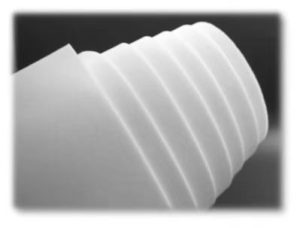
Nā hopena kiʻiʻoniʻoni a me ka pale: Ma hope o ka maloʻo ʻana, hana ia i kahi kiʻiʻoniʻoni paʻakikī a maopopo e pale i ka substrate a pale i ke komo ʻana o ka wai a me ka evaporation.
ʻAʻohe mea ʻawaʻawa a me ka hoʻonāukiuki ʻole: Loaʻa iā ia ka biocompatibility maikaʻi a kūpono i nā ʻano lāʻau lapaʻau a me nā meaʻai.
Hoʻoponopono: Ma ka hoʻololi ʻana i ke degere o ka hoʻololi ʻana a me ke kaumaha molekala, hiki ke hoʻololi i kāna hana e hoʻokō i nā koi noi like ʻole.

Specification of HPMC, Hydroxypropyl Methyl Cellulose
Hydroxypropyl Methyl Cellulose (HPMC)– Nā Koina Huahana
Fundamental Description
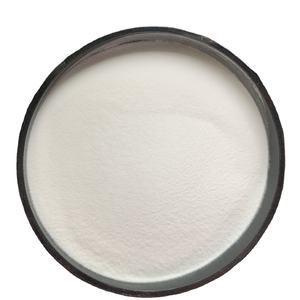
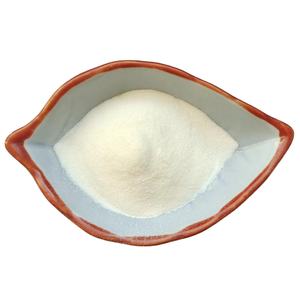
Hydroxypropyl Methyl Cellulose, a i ʻole HPMC, is a white to off-white powder. It has no odor and liquifies easily in cold water. This material creates clear, lawelawe viscous. It does not dissolve in hot water, waiʻona, or most organic solvents.
Noho Malu
HPMC is made from natural cellulose. Chemical treatment includes methyl and hydroxypropyl teams. These adjustments give HPMC its unique efficiency. ʻAʻole ionic ka huahana, steady across a wide pH variety (3– 11), and resistant to microbial attack. It additionally shows good film-forming capacity and surface activity.
Typical Makes use of
HPMC works well in many markets. In building, it improves workability and water retention in cement-based items like tile adhesives and renders. I nā lāʻau lapaʻau, it serves as a binder, mānoanoa, or controlled-release representative in tablet computers and capsules. The food industry utilizes it as a stabilizer or emulsifier. It also shows up in cosmetics, pena, and farming chemicals.
ʻIkepili ʻenehana
– Nānā : Pauda kahe wale, white to a little yellow
– Mea wai : ≤ 5%.
– pH (2% hoʻoponopono) : 4.0– 8.0.
– mānoanoa (2% lawelawe ma 20 ° C) : ʻokoʻa mai 5 mPa · s i 100,000 mPa · s, depending on grade.
– Gel wela : 50– 90 ° C.
– ʻAno lehu : ≤ 5%.
Ka mālama ʻana a me ka mālama ʻana
Shop HPMC in an amazing, wahi maloʻo. Keep the container firmly near to prevent dampness absorption. Usage typical commercial hygiene techniques when handling. Kāohi i ka hanu lepo. Wear handwear covers and eye protection if required. The product is safe but must not be ingested in raw kind.
Applications of HPMC, Hydroxypropyl Methyl Cellulose
Applications of HPMC (Hydroxypropyl Methyl Cellulose)
Nā mea hana kūkulu
HPMC is widely used in building items like ceramic tile adhesives, nā pulupulu, a me nā mea hoʻohālikelike ponoʻī. It helps preserve water so cement can establish effectively. This improves workability and makes the mix much easier to spread out. HPMC also quits products from sagging on vertical surface areas.
ʻO nā lāʻau lapaʻau
In medication, HPMC functions as a binder, covering agent, or controlled-release active ingredient in tablet computers. It develops a protective movie around pills to regulate just how fast the medication liquifies in the body. Because it’s risk-free and safe, it’s approved for usage in lots of dental drugs.
Food Sector
Hana ʻo HPMC ma ke ʻano he mānoanoa, mea hoʻopaʻa, and emulsifier in food. You’ll find it in things like ice cream, nā meaʻai, and gluten-free baked products. It provides structure without altering flavor. It additionally assists maintain ingredients blended equally gradually.
Personal Care Products
Several lotions, hair shampoos, and toothpastes include HPMC. It adds smoothness and assists put on hold particles so they don’t settle. The active ingredient is gentle on skin and rinses cleanly. It likewise boosts foam security in cleaning products.
Nā Pena a me nā Pena
HPMC improves paint efficiency by controlling thickness and avoiding splatter throughout application. It keeps pigments uniformly distributed and reduces dripping on walls. After drying out, it adds to an uniform coating without brush marks.
Mahiai
In farming, HPMC is utilized in seed finishes and pesticide formulations. It assists energetic components stick to grow surfaces much longer. This indicates far better protection and much less waste. It additionally sustains even germination when used in seed treatments.
HPMC is valued since it dissolves conveniently in cold water, remains stable across a range of temperatures, and functions well with other typical components. Its convenience makes it a vital component across lots of everyday items.
Hoʻolauna Hui
Welina mai iā Concrete and More, he mea hoʻolako alakaʻi i nā mea hoʻohui ʻia i ka hana kiʻekiʻe, me kā mākou mea hoʻohaʻahaʻa wai koneki. Me nā makahiki o ka ʻike ma ka mākeke honua, hāʻawi mākou i nā hoʻonā holomua i hoʻolālā ʻia e hoʻomaikaʻi i ka maikaʻi a me ka pono o nā hana kūkulu honua. ʻO kā mākou mau hale hana hou e hōʻoia i nā huahana kiʻekiʻe e kū ana i nā kūlana honua. Haʻaheo mākou iā mākou iho i ka lawelawe kūʻai kūʻokoʻa, kākoʻo ʻenehana, a me nā hāʻina kūpono e hoʻokō i nā pono o ka papahana. E hui pū me mākou no ka hilinaʻi, mea hou, a me ke kumu kūʻai hoʻohui koʻikoʻi e alakaʻi i kāu mau papahana i mua. E ʻimi hou aku ma www.concreteandmore.de/. E kūkulu pū kākou i ka wā e hiki mai ana!
Inā he mau nīnau kāu, e ʻoluʻolu e hoʻokaʻaʻike mai iā mākou.
Uku Uku
T/T, Hui Komohana, Paypal, Kāleka ʻaiʻē etc.
Nā ʻano hoʻouna
Ma ka lewa, ma ke kai, ma ka hoike, e like me ke noi a nā mea kūʻai aku.
5 FAQs of HPMC, Hydroxypropyl Methyl Cellulose
Nīnau pinepine e pili ana iā HPMC (Hydroxypropyl Methyl Cellulose)
He aha ka HPMC?
He kū ka HPMC no Hydroxypropyl Methyl Cellulose. It is a natural polymer made from plant cellulose. People use it in many products like building materials, meaʻai, and medicines. It helps thicken, bind, or control water in mixtures.
Is HPMC safe to use?
ʻAe, Palekana ka HPMC. Health agencies around the world approve it for use in food and drugs. It does not harm the body when used correctly. I ke kukulu ana, it poses no major health risks if handled with normal care.
Why is HPMC used in construction?
Builders add HPMC to cement, nā mea hoʻopili tile, a me na pulupulu. It improves workability and keeps water in the mix longer. This helps the material set evenly and stick better. It also reduces cracking and makes surfaces smoother.
How does HPMC work in food?
In food, HPMC acts as a thickener or stabilizer. It helps keep ingredients mixed well and gives products a better texture. You can find it in items like sauces, baked goods, and low-fat foods. It is tasteless and does not change the flavor.
Can HPMC be used in vegetarian or vegan products?
ʻAe. HPMC comes from plant-based cellulose, not animals. It is suitable for both vegetarian and vegan diets. Many supplement capsules use HPMC instead of gelatin to meet these dietary needs. Always check the full label to confirm other ingredients are also plant-based.
NOI I KA PALAPALA
NA HUAKAI PILI

High Quality Hydroxypropyl Methyl Cellulose HPMC Powder 200000 CPS Construction Grade

hpmc fiyat pauka tile adhesives cosmetic grade
High Viscosity Hydroxypropyl Methyl Cellulose HPMC Cellulose Powder Used in Construction

Industrial Grade Hydroxypropyl Methyl Cellulose HPMC 9004 65 3
Hot ing Industrial Grade Auxiliary Agent Chemic Hydroxypropyl Methyl Cellulose HPMC