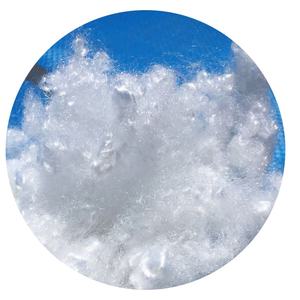
Nā Pākuʻi Paʻa Māmā | Nā ʻĀpana Hoʻohuʻi Kiʻekiʻe no ka Kelepona Kelepona

NA PALAPALA HUA
wehewehe
Introduction to Hydroxypropyl Methyl Cellulose HPMC 9004 65 3 Natural Polymers
Hydroxypropyl Methylcellulose (HPMC), nona ka inoa Pake he hydroxypropyl methylcellulose, he semi-synthetic, non-ionic cellulose ether i loaʻa ma ke kemika hoʻololi ʻana i ka cellulose kūlohelohe. Hiki i kēia pauka keʻokeʻo ke hana i kahi hopena viscous akaka ma hope o ka hoʻoheheʻe ʻana i ka wai. He mānoanoa maikaʻi loa, paʻa wai, paʻa a me nā waiwai hana kiʻiʻoniʻoni. He mea hoʻohui multifunctional indispensable i nā kula he nui e like me ke kūkulu ʻana.
Characteristics and advantages of Hydroxypropyl Methyl Cellulose HPMC 9004 65 3 Natural Polymers
Hiki ke hoʻoheheʻe wai: Hiki ke hoʻoheheʻe koke ʻia i loko o ka wai anuanu e hana i kahi hopena akaka a paʻa.
Hiki i ka mānoanoa a me ka mālama wai: E hoʻonui i ka viscosity o ka mea, e hoemi pono i ka wai, a hoʻomaikaʻi maikaʻi i ka hana.
Paʻa maikaʻi: Loaʻa iā ia ke kūpaʻa maikaʻi i nā waikawa, alkalis, a me nā paʻakai, a he kūpono ia no ka nui o nā waiwai pH.
Nā hopena kiʻiʻoniʻoni a me ka pale: Ma hope o ka maloʻo ʻana, hana ia i kahi kiʻiʻoniʻoni paʻakikī a maopopo e pale i ka substrate a pale i ke komo ʻana o ka wai a me ka evaporation.
ʻAʻohe mea ʻawaʻawa a me ka hoʻonāukiuki ʻole: Loaʻa iā ia ka biocompatibility maikaʻi a kūpono i nā ʻano lāʻau lapaʻau a me nā meaʻai.
Hoʻoponopono: Ma ka hoʻololi ʻana i ke degere o ka hoʻololi ʻana a me ke kaumaha molekala, hiki ke hoʻololi i kāna hana e hoʻokō i nā koi noi like ʻole.

Specifications of Hydroxypropyl Methyl Cellulose HPMC 9004 65 3 Natural Polymers
Hydroxypropyl Methyl Cellulose HPMC 9004-65-3
Nānā Huahana
Hydroxypropyl Methyl Cellulose (HPMC) 9004-65-3 is a natural polymer made from cellulose. It comes from plant fibers and is widely used in many industries. This product is odorless, ono ole, and appears as a white or off-white powder. It dissolves easily in cold water but not in hot water. Once mixed with cold water, he mea maopopo, ʻoluʻolu viscous.
Nā mea kiko'ī
Chemical Name: Hydroxypropyl Methyl Cellulose
Helu CAS: 9004-65-3
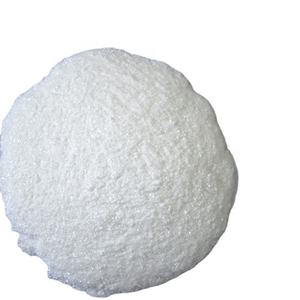
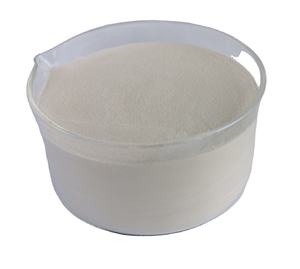
Ka nana aku: Keʻokeʻo a keʻokeʻo keʻokeʻo keʻokeʻo ka pauda kahe ʻole
Ka hoʻoheheʻe: Soluble in cold water; insoluble in hot water and most organic solvents
pH (2% hoʻonā): 5.0–8.0
ʻO ka viscosity (2% ka hopena ma 20°C): Nā pae mai 100 i 100,000 mPa·s (ʻokoʻa ma ka papa)
Māmā: ≤5.0%
Lehu maʻiʻo: ≤1.5%
Hoʻohana maʻamau
This HPMC grade works well as a thickener, mea paa, kiʻiʻoniʻoni, and water-retention agent. I ke kukulu ana, it improves workability and adhesion in tile adhesives, nā pulupulu, a me nā pūhui hoʻonanea ponoʻī. I nā lāʻau lapaʻau, it serves as a controlled-release matrix in tablets and as an ingredient in eye drops. The food industry uses it as a stabilizer and emulsifier. It also appears in cosmetics for texture and moisture control.
Ka mālama ʻana a me ka mālama ʻana
E mālama i ka HPMC i kahi anuanu, kahi maloʻo ma kahi mamao mai ka lā a me ka maʻu. E hoʻopaʻa paʻa i ka ipu ke hoʻohana ʻole ʻia. Avoid contact with strong acids or bases. Use standard safety practices when handling—wear gloves and eye protection if needed. The shelf life is typically 24 mahina ke mālama pono ʻia.
Nā noi o Hydroxypropyl Methyl Cellulose HPMC 9004 65 3 Natural Polymers
Nā noi o Hydroxypropyl Methyl Cellulose (HPMC) 9004-65-3
Hale a me ka hana
HPMC 9004-65-3 is widely used in cement-based products like tile adhesives, nā mea hoʻohui ponoʻī, a hoʻolilo. It helps control water retention so cement hydrates properly. This leads to stronger bonds and fewer cracks. The polymer also improves workability, making the mix easier to spread and shape.
Nā lāʻau lapaʻau
I ka lāʻau lapaʻau, HPMC acts as a binder, mānoanoa, or film-forming agent. It is common in tablets, capsules, and eye drops. The material is safe for human use and dissolves slowly in the body. This allows drugs to release at a steady rate. Many over-the-counter and prescription medicines rely on HPMC for consistent performance.
ʻOihana Meaʻai
HPMC serves as a stabilizer and emulsifier in various foods. You can find it in low-fat spreads, baked goods, and gluten-free products. It helps maintain texture and moisture without altering taste. Because it is plant-based and non-toxic, it meets strict food safety standards worldwide.
Nā Pena a me nā Pena
Paint makers add HPMC to water-based paints to prevent sagging and improve coverage. It keeps pigments evenly mixed and stops them from settling. The result is a smooth finish with better adhesion to walls and surfaces. Hoʻonui ka HPMC i ka manawa wehe, giving painters more room to work before the paint dries.
ʻO nā mea hoʻonani a me ka mālama pilikino
I loko o nā lotions, shampoos, a me ka holika, HPMC creates a rich, creamy feel. Paʻa maikaʻi ka wai, which helps keep skin and hair hydrated. The polymer is gentle on the skin and does not cause irritation. Its natural origin makes it a popular choice in clean-label beauty products.
ʻO ka moʻolelo o ka hui
ʻO mākou ke alakaʻi o ka honua i nā ʻenehana māmā a me nā hoʻonā ʻenehana i hana ʻia. ʻIke ʻia ma ka honua holoʻokoʻa no kāna kūpaʻa i ka noiʻi, mea hou, a me ka ʻike noiʻi, ke hāʻawi nei mākou i nā hoʻonā ʻenehana i hana ʻia mai ka makahiki 2012.
Hiki iā mākou ke hāʻawi aku i ka hoʻohui ʻana i nā mea hoʻohui kiʻekiʻe kiʻekiʻe a me nā huahana pili i ka foam concrete a puni ka honua.
He keʻena ʻenehana ʻoihana a me ka ʻoihana kiaʻi maikaʻi ka hui, he hale hana i hoolako pono ia, a hoʻolako ʻia me nā lako hoʻāʻo kiʻekiʻe a me ke kikowaena lawelawe mea kūʻai aku ma hope o ke kūʻai aku.
Inā hoihoi ʻoe, e ʻoluʻolu a e hoʻokaʻaʻike mai iā mākou.
Uku
T/T, Hui Komohana, Paypal, Kāleka ʻaiʻē etc.
Hoʻouna
Ma ka lewa, ma ke kai, ma ka hoike, e like me ke noi a nā mea kūʻai aku.

5 FAQs of Hydroxypropyl Methyl Cellulose HPMC 9004 65 3 Natural Polymers
Nīnau pinepine e pili ana i ka Hydroxypropyl Methyl Cellulose (HPMC) 9004-65-3
He aha ka HPMC 9004-65-3?
HPMC 9004-65-3 is a natural polymer made from cellulose. It comes from plant fibers, usually wood or cotton. This substance is modified to dissolve in water and form clear, thick solutions. People use it in many industries because it works well and is safe.
Where is HPMC used?
HPMC is common in construction, meaʻai, lāʻau lapaʻau, and cosmetics. Ma na mea kukulu hale, it helps keep water in mortar and tile adhesives so they set evenly. In pills, it controls how fast medicine is released. In food, he mea mānoanoa a i ʻole stabilizer. You’ll also find it in lotions and creams to improve texture.
Is HPMC safe?
ʻAe. HPMC has been tested and approved for use in food and medicines by major health agencies like the FDA and EFSA. It does not get absorbed by the body. aka, it passes through the digestive system unchanged. That makes it very safe for most people.
How does HPMC work in construction products?
In cement-based mixes, HPMC holds water so the mixture stays wet longer. This gives workers more time to work with the material. It also stops the mix from separating and helps it stick better to surfaces. ʻOi aku ka ikaika o ka hopena, smoother finish.
Can HPMC be mixed with other ingredients?
ʻAe. HPMC mixes well with many common ingredients. It works with salts, nā ʻakika, and other thickeners. Aia nō, you should test small batches first. Some combinations might affect how thick or stable the final product becomes. Always follow recommended usage levels for best results.
NOI I KA PALAPALA
NA HUAKAI PILI
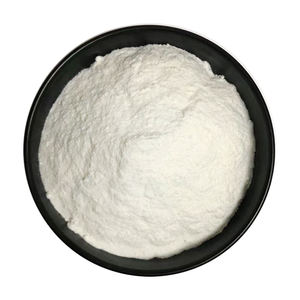
Na Lako Kemika Hydroxypropyl Methyl Cellulose HPMC no ka mea hoohui hale

Hot Best Mecellose Hydroxypropyl Methyl Cellulose HPMC Powder Chemical 200000 no na Kile Adhesives
Hoʻonui ʻia ka manawa wehe KelloCel MK 6058 Hoʻololi ʻia ka Papa Hana Hana HPMC No nā Kile Adhesives

Factory Hydroxypropyl Methyl Cellulose HPMC Cellulose Ether for Skim Coating

Best manufacture quality hydroponically methyl cellulose hpmc