Nā Pākuʻi Paʻa Māmā | Nā ʻĀpana Hoʻohuʻi Kiʻekiʻe no ka Kelepona Kelepona

NA PALAPALA HUA
wehewehe
Introduction to low hydroxypropyl methyl cellulose HPMC
Hydroxypropyl Methylcellulose (HPMC), nona ka inoa Pake he hydroxypropyl methylcellulose, he semi-synthetic, non-ionic cellulose ether i loaʻa ma ke kemika hoʻololi ʻana i ka cellulose kūlohelohe. Hiki i kēia pauka keʻokeʻo ke hana i kahi hopena viscous akaka ma hope o ka hoʻoheheʻe ʻana i ka wai. He mānoanoa maikaʻi loa, paʻa wai, paʻa a me nā waiwai hana kiʻiʻoniʻoni. He mea hoʻohui multifunctional indispensable i nā kula he nui e like me ke kūkulu ʻana, lāʻau lapaʻau, a me ka ai.
Characteristics and advantages of low hydroxypropyl methyl cellulose HPMC
Hiki ke hoʻoheheʻe wai: Hiki ke hoʻoheheʻe koke ʻia i loko o ka wai anuanu e hana i kahi hopena akaka a paʻa.
Hiki i ka mānoanoa a me ka mālama wai: E hoʻonui i ka viscosity o ka mea, e hoemi pono i ka wai, a hoʻomaikaʻi maikaʻi i ka hana.
Paʻa maikaʻi: Loaʻa iā ia ke kūpaʻa maikaʻi i nā waikawa, alkalis, a me nā paʻakai, a he kūpono ia no ka nui o nā waiwai pH.
Nā hopena kiʻiʻoniʻoni a me ka pale: Ma hope o ka maloʻo ʻana, hana ia i kahi kiʻiʻoniʻoni paʻakikī a maopopo e pale i ka substrate a pale i ke komo ʻana o ka wai a me ka evaporation.
ʻAʻohe mea ʻawaʻawa a me ka hoʻonāukiuki ʻole: Loaʻa iā ia ka biocompatibility maikaʻi a kūpono i nā ʻano lāʻau lapaʻau a me nā meaʻai.
Hoʻoponopono: Ma ka hoʻololi ʻana i ke degere o ka hoʻololi ʻana a me ke kaumaha molekala, hiki ke hoʻololi i kāna hana e hoʻokō i nā koi noi like ʻole.

Specification of low hydroxypropyl methyl cellulose HPMC
Reduced Hydroxypropyl Methyl Cellulose (HPMC)– Mea Pono
Nānā nui
Low hydroxypropyl methyl cellulose (HPMC) is a polished cellulose ether made from natural plant fibers. It liquifies easily in cool water and creates a clear, lawelawe viscous. This grade has lower degrees of hydroxypropyl substitution, which gives it special performance attributes for certain industrial usages.
Key Characteristics
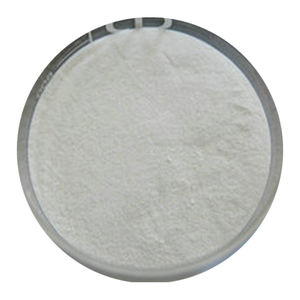
Ka nana aku: Keʻokeʻo a keʻokeʻo keʻokeʻo keʻokeʻo ka pauda kahe ʻole
Maʻiʻo pūnaewele pulu: ʻAʻole ʻoi aku ma mua o 5%.
pH waiwai (2% hoʻonā): 6.0– 8.0.
mānoanoa (2% lawelawe ma 20 ° C): 100– 4,000 mPa · s (ʻokoʻa ma ka maikaʻi).
Hydroxypropyl maʻiʻo: Typically below 7%.
Methoxyl content: Around 19– 24%.
Nā hiʻohiʻona pono
This HPMC grade provides excellent water retention, film-forming capacity, and stability throughout a series of temperature levels. It does not gel swiftly when heated, making it ideal for applications that call for consistent thickness throughout handling. The low hydroxypropyl level helps reduce tackiness and enhances powder flow in completely dry blends.
Nā noi maʻamau
Hale hale: Made use of in ceramic tile adhesives, nā mea hoʻohui ponoʻī, and renders to control water loss and boost workability.
Nā lāʻau lapaʻau: Acts as a binder or controlled-release agent in tablet computers where minimal hydroxypropyl communication is needed.
Food: Acts as a thickener or stabilizer in choose food systems under authorized policies.
Pena & Nā uhi: Enhances suspension and application homes without affecting drying out time substantially.
Wahi mālama a me ka lawelawe ʻana
E kūʻai ma kahi maikaʻi, dry place away from dampness. Keep containers tightly closed. Use common industrial health techniques when dealing with powder to avoid breathing or eye call. Life span is generally 24 mahina ke mālama pono ʻia.

Applications of low hydroxypropyl methyl cellulose HPMC
Applications of Reduced Hydroxypropyl Methyl Cellulose (HPMC)
Building and Building and construction
Reduced HPMC is extensively made use of in building products. It assists enhance workability and water retention in cement-based products like floor tile adhesives, hoolako, a me nā pūhui hoʻonanea ponoʻī. This additive maintains the mix wet much longer, which enables proper healing and stronger bonding.
Nā Pena a me nā Pena
I loko o nā pena wai, reduced HPMC acts as a thickener and stabilizer. It protects against pigments from clearing up and ensures also application. The result is a smooth completed with fewer brush marks and much better insurance coverage on walls or other surface areas.
Nā lāʻau lapaʻau
Low HPMC serves as a non-active ingredient in tablet computers and pills. It manages exactly how quickly a drug dissolves in the body. This helps supply medicine at the right rate and location inside the gastrointestinal system. It is safe, palekana, and accepted for usage in lots of nations.
Food Sector
Food manufacturers utilize reduced HPMC as a stabilizer, mānoanoa, aiʻole emulsifier. It boosts appearance and shelf life in products like sauces, dairy products alternatives, a me nā mea kālua ʻole gluten. Since it is plant-based and odor free, it mixes well without transforming flavor.
Mahiai
In plant defense items, reduced HPMC assists energetic components adhere to grow fallen leaves. It likewise decreases drying, giving more time for absorption. This increases the performance of chemicals and fertilizers while reducing waste.
Personal Treatment Products
Reduced HPMC shows up in hair shampoos, nā lotions, and tooth paste. It provides these products an abundant, creamy feeling and aids keep components mixed with each other. Individuals obtain consistent performance with every usage.
Why Select Low HPMC?
Reduced HPMC uses reliable efficiency throughout lots of industries. It mixes conveniently with water, remains stable under different problems, and functions well with various other typical ingredients. Its flexibility and security make it a relied on selection for formulators that need trustworthy outcomes.
Hoʻolauna Hui
Welina mai iā Concrete and More, he mea hoʻolako alakaʻi i nā mea hoʻohui ʻia i ka hana kiʻekiʻe, me kā mākou mea hoʻohaʻahaʻa wai koneki. Me nā makahiki o ka ʻike ma ka mākeke honua, hāʻawi mākou i nā hoʻonā holomua i hoʻolālā ʻia e hoʻomaikaʻi i ka maikaʻi a me ka pono o nā hana kūkulu honua. ʻO kā mākou mau hale hana hou e hōʻoia i nā huahana kiʻekiʻe e kū ana i nā kūlana honua. Haʻaheo mākou iā mākou iho i ka lawelawe kūʻai kūʻokoʻa, kākoʻo ʻenehana, a me nā hāʻina kūpono e hoʻokō i nā pono o ka papahana. E hui pū me mākou no ka hilinaʻi, mea hou, a me ke kumu kūʻai hoʻohui koʻikoʻi e alakaʻi i kāu mau papahana i mua. E ʻimi hou aku ma www.concreteandmore.de/. E kūkulu pū kākou i ka wā e hiki mai ana!
Inā he mau nīnau kāu, e ʻoluʻolu e hoʻokaʻaʻike mai iā mākou.
Uku Uku
T/T, Hui Komohana, Paypal, Kāleka ʻaiʻē etc.
Nā ʻano hoʻouna
Ma ka lewa, ma ke kai, ma ka hoike, e like me ke noi a nā mea kūʻai aku.
5 FAQs of low hydroxypropyl methyl cellulose HPMC
Frequently Asked Questions About Low Hydroxypropyl Methyl Cellulose (HPMC)
What is low HPMC?
Low hydroxypropyl methyl cellulose (HPMC) is a type of water-soluble polymer made from natural cellulose. It has lower levels of hydroxypropyl and methoxyl groups compared to standard HPMC. This gives it unique properties like slower dissolution and better stability in certain conditions.
Where is low HPMC used?
Low HPMC is mainly used in construction materials like tile adhesives, hāʻawi, a me nā pūhui hoʻonanea ponoʻī. It helps control water retention and workability. It also appears in some pharmaceutical and food applications where gentle thickening or film-forming is needed.
How does low HPMC affect product performance?
Low HPMC improves water retention in cement-based products. This lets the cement hydrate properly, which strengthens the final material. It also reduces sagging on vertical surfaces and makes mixing easier. In other uses, it provides consistent viscosity without gelling too fast.
Is low HPMC safe to handle?
ʻAe. Low HPMC is non-toxic, ʻala ʻole, a biodegradable. ʻAʻole ia e hoʻonāukiuki i ka ʻili a me nā maka ma lalo o ka hoʻohana maʻamau. Aia nō, wear basic protective gear like gloves and a mask when handling fine powders to avoid breathing dust.
How should low HPMC be stored?
Store low HPMC in a cool, kahi maloʻo ma kahi maʻamau. Keep the packaging sealed tightly after opening. If it absorbs water from the air, hiki ke puʻupuʻu a nalo paha ka maikaʻi. E hoʻohana i loko 12 mahina no nā hopena maikaʻi loa.
NOI I KA PALAPALA
NA HUAKAI PILI
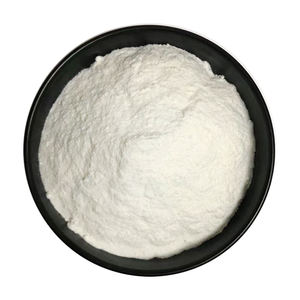
Chemical High Quality Tile Adhesive Hydroxypropyl Methyl Cellulose HPMC

Cellulose Ether Hydroxypropyl Methyl Cellulose HPMC Powder s 25kg 100 Bag
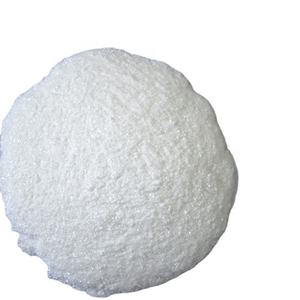
Setalose Hydroxypropyl Methyl Cellulose HPMC 200MY Dispersible in Cold Water Increase Bond Strength and Water Retention

MP 4M 3000 MPAS Low Viscosity Hydroxypropyl Methyl Cellulose HPMC for Ceramic Extrusion Direct

SD High Viscosity Cellulose Etera Hydroxypropyl Methyl Cellulose HPMC